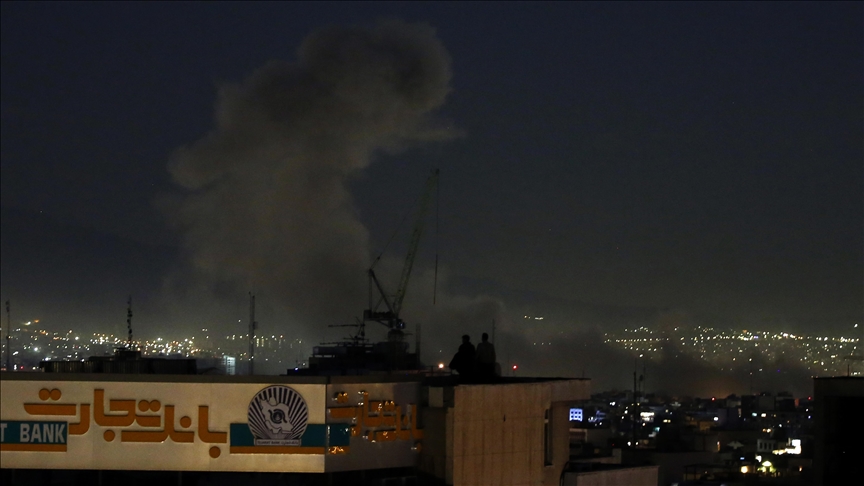
US and Israeli Strikes Damage Iran State Media Headquarters in Tehran
March 1, 2026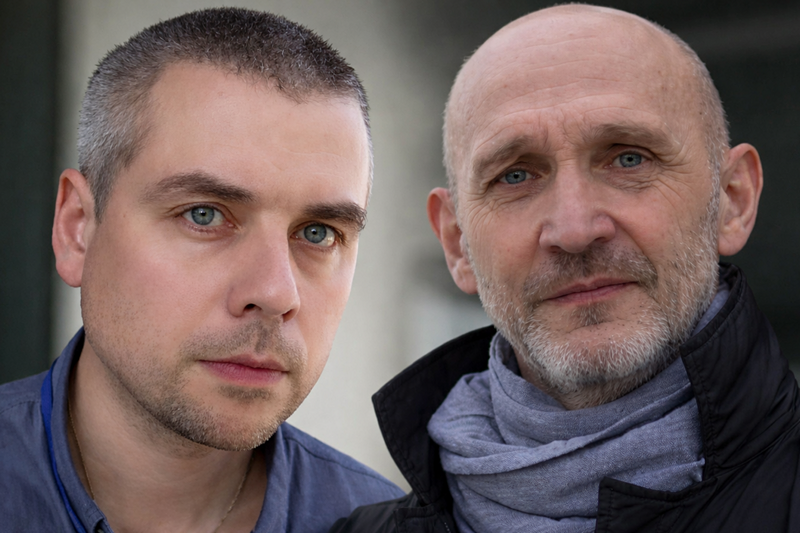
Belarusian Court Hands Lengthy Prison Sentences to Two Independent Journalists
March 2, 2026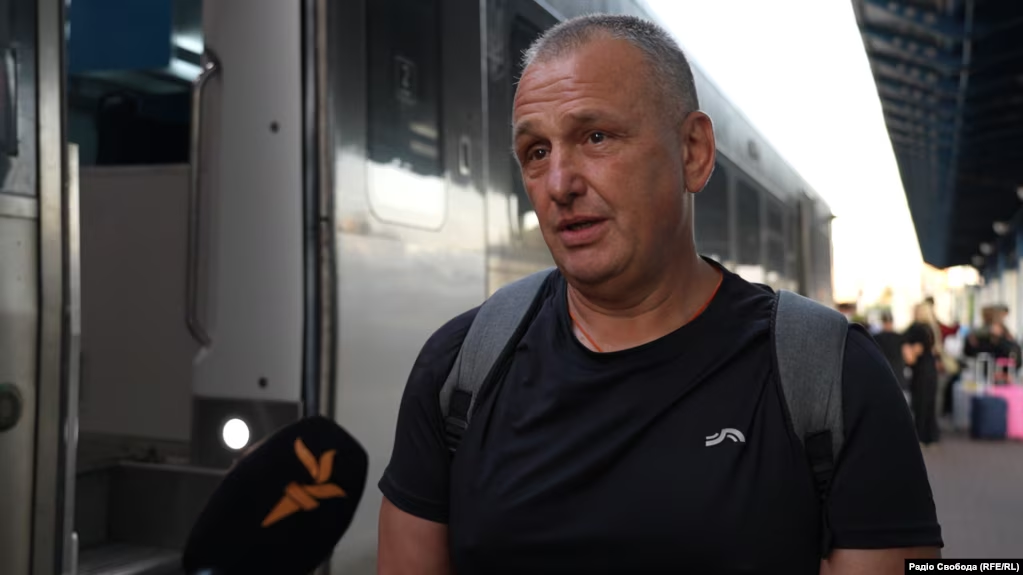
March 02, 2026 – Ukraine/Russia –
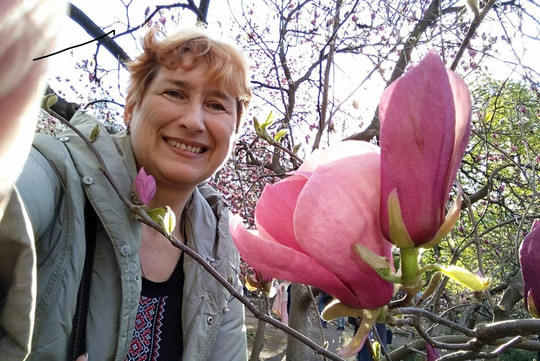
Ukrainian journalist Vladyslav Yesypenko has shared a detailed account of his imprisonment and alleged torture during more than four years in Russian custody, describing the physical abuse, coercion, and psychological pressure he endured after being detained in Russian-occupied Crimea. His testimony forms the basis of a recent feature published by the International Press Institute (IPI), which highlights both his experience and the broader campaign to free journalists detained worldwide.
Yesypenko, a freelance contributor to Krym. Realii, a regional outlet of Radio Free Europe/Radio Liberty, was arrested by Russia’s Federal Security Service (FSB) on March 10, 2021, while reporting in Crimea. Russian authorities accused him of espionage and possession of explosives, allegations he has consistently denied and that press freedom organisations have described as politically motivated. In February 2022, a Russian-installed court sentenced him to six years in prison, though his term was later reduced on appeal.
During his imprisonment, Yesypenko said investigators subjected him to beatings and electric shocks in an effort to force him to confess to fabricated charges. According to his account, interrogators demanded that he admit to spying for Ukrainian intelligence and pressured him to sign statements prepared by investigators. He later retracted these confessions in court, asserting they had been obtained under torture.
Yesypenko was ultimately released in June 2025, after serving more than four years in detention. Following his release, he reunited with his family and began speaking publicly about the treatment of journalists held in Russian custody. In his interview with IPI, he emphasised that his personal ordeal reflects a broader pattern of repression targeting journalists reporting from Russian-occupied territories.
The journalist has since become an advocate for colleagues still imprisoned in Russia and occupied regions of Ukraine. He has called on governments, international organisations, and media groups to maintain pressure on authorities to secure the release of detained reporters and to investigate abuses against media workers in captivity.
Yesypenko’s testimony underscores the wider risks faced by journalists covering conflict and political repression. Media freedom organisations argue that cases like his demonstrate how detention, torture, and fabricated charges can be used as tools to silence independent reporting, particularly in contested territories where access to reliable information is already severely restricted.
Reference –
https://www.rferl.org/a/yesypenko-journalist-russian-custody-torture/33503944.html
Vladyslav Yesypenko on Russian captivity, torture, and the fight to free imprisoned journalists