

Azerbaijani Journalists Protest Restrictions During Meydan TV Court Hearing
February 18, 2026
Cambodian Journalist Luot Sophal Detained After Reporting on Military Water Shortage
February 18, 2026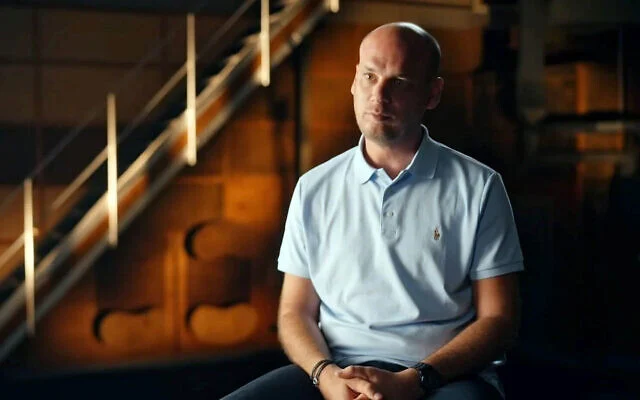
February 18, 2026 – Turkey –
An Israeli court has ruled that police may access unedited interview footage from a televised session that triggered an active criminal investigation involving Prime Minister Benjamin Netanyahu’s chief of staff, Tzachi Braverman, intensifying debate over media freedom and legal oversight in the country. The Lod-Central District Court rejected a petition by KAN journalist Omri Assenheim against an order to surrender the raw interview material, while safeguarding portions deemed off-the-record.
The legal dispute stems from a December 2025 interview broadcast on KAN News with Eli Feldstein, a former media adviser linked to Netanyahu’s Office and a key figure in a high-profile scandal. In the on-camera remarks, Feldstein alleged a late-night meeting in which Braverman, who has faced police questioning and restrictive conditions, told him he could influence or “shut down” an investigation into the leak of a classified document to the German newspaper Bild. That interview prompted police to open a probe examining potential obstruction of justice and related offences.
Assenheim challenged the magistrate’s directive to hand over the full, unedited footage of the Feldstein conversation, arguing the demand violated journalistic confidentiality and could chill independent reporting. The higher court upheld the order, ruling that investigators must review the raw material to fully assess context, credibility, and potential contradictions between edited broadcast segments and the uncut footage. However, remarks made expressly off-the-record will be excluded from disclosure and submitted confidentially to the court for evaluation.
Judges stressed that absolute confidentiality is extremely limited under Israeli law and that police, as an investigative body, are entitled to “all relevant and essential content” essential to the ongoing inquiry. The ruling reflects broader tensions between press freedoms and legal processes in sensitive national security or corruption-linked cases. Critics of the decision argue that compelling journalists to turn over raw material could undermine newsrooms’ ability to shield sources and raw content, while supporters say it is a necessary evidentiary step for law enforcement.
The case overlaps with related investigations into the Bild leak of classified military documents and allegations of information manipulation involving senior aides to the prime minister. Police have also summoned other security figures to provide testimony, and Braverman has faced restrictive conditions, including travel and workplace bans, while the inquiry continues.
Reference –


