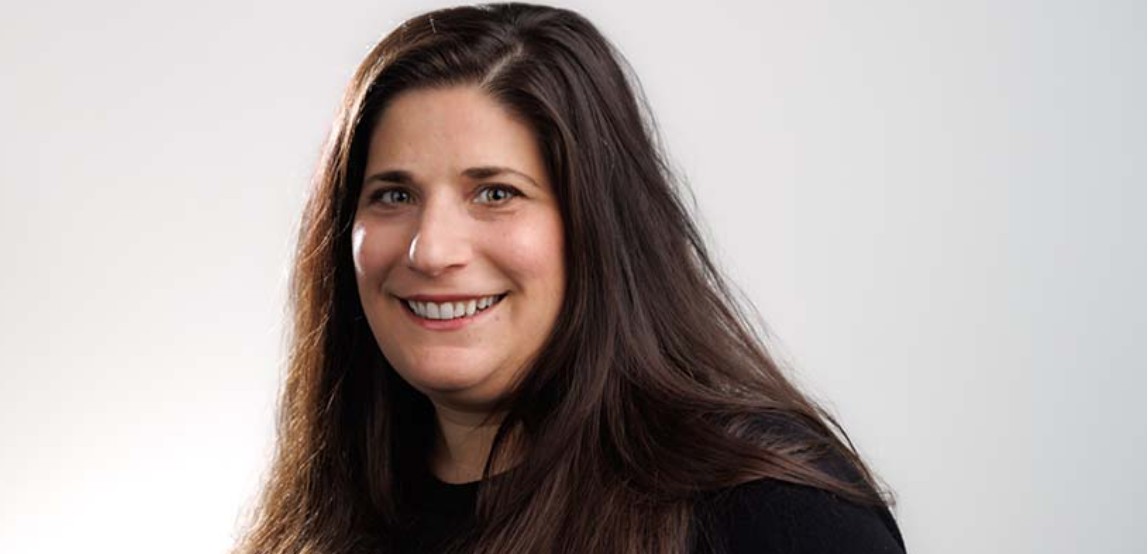
Canadian Journalist Tamsin McMahon Honoured for Pulitzer-Winning Coverage at Lookout Santa Cruz
April 6, 2026
Nigerian Media Groups Demand Apology After Minister Wike’s “Shoot” Remark Sparks Press Freedom Concerns
April 7, 2026
April 06, 2026 – Zimbabwe –
Journalists covering public hearings on proposed constitutional changes in Zimbabwe were subjected to harassment and interference, raising alarms among press freedom advocates about the narrowing space for independent reporting amid a controversial political process.
The incident occurred during a series of parliamentary committee hearings in Harare convened to debate proposed amendments that would extend the presidential term and alter key governance provisions. Reporters from both local and international media outlets attending the sessions reported being blocked from areas where testimony was given, shouted at by security personnel, and prevented from filming or taking notes at critical moments.
According to the Committee to Protect Journalists (CPJ), the disruptions took place on multiple days of the hearings, with journalists repeatedly told to move from designated press areas and at times physically pushed away from corridors where officials were entering or exiting. In some instances, security officers confiscated reporters’ notepads and attempted to erase recordings, according to accounts shared with rights groups.
Reporters said the harassment intensified as heated testimony unfolded, particularly from citizens and civil society representatives who opposed the proposed amendments. Members of the media covering these exchanges alleged that security personnel appeared to act on instructions to restrict visual and written documentation of dissenting voices, a claim that opposition lawmakers and rights advocates have also echoed.
Zimbabwean journalist associations and press freedom groups condemned the treatment of reporters, describing the behavior as inconsistent with constitutional protections for freedom of expression and the press. They argued that journalists have a right and responsibility to document public debates of national significance, especially when constitutional reform is at stake.
Critics noted that the interference not only impeded journalists’ ability to report accurately but also threatened the transparency of the amendment process itself. Independent coverage of constitutional hearings is widely viewed as essential for citizens to understand proposed changes and participate meaningfully in national discourse.
Government officials defending the conduct of security personnel said restrictions were necessary to maintain order at crowded hearings and ensure that proceedings were not disrupted. They denied explicit instructions were given to impede media coverage and suggested that any tension was a result of overcrowding and logistical challenges.
Press freedom advocates rejected that explanation, insisting that the treatment of journalists represented a broader pattern of intimidation and control that has intensified in Zimbabwe’s political climate. They urged authorities to guarantee unimpeded access for media covering the remainder of the hearings and to uphold both domestic and international standards protecting journalists.
As the constitutional debate continues, the incident has underscored ongoing concerns that media coverage of politically charged events in Zimbabwe faces increasing obstacles, even when journalists are operating within legal and professional bounds. Observers say ensuring press freedom during such processes is critical to democratic accountability and public trust.
Reference –
Zimbabwean journalists harassed at hearings to extend president’s term