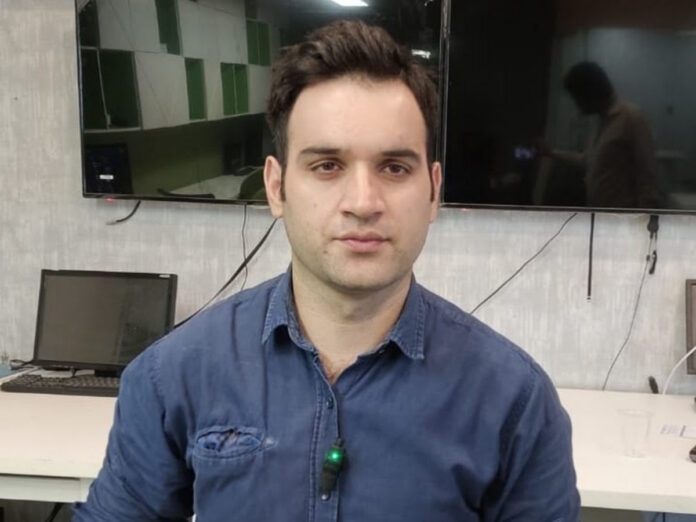
Pakistani Journalist Sohrab Barkat Detained for More Than 60 Days Amid Islamabad Office Closure
February 6, 2026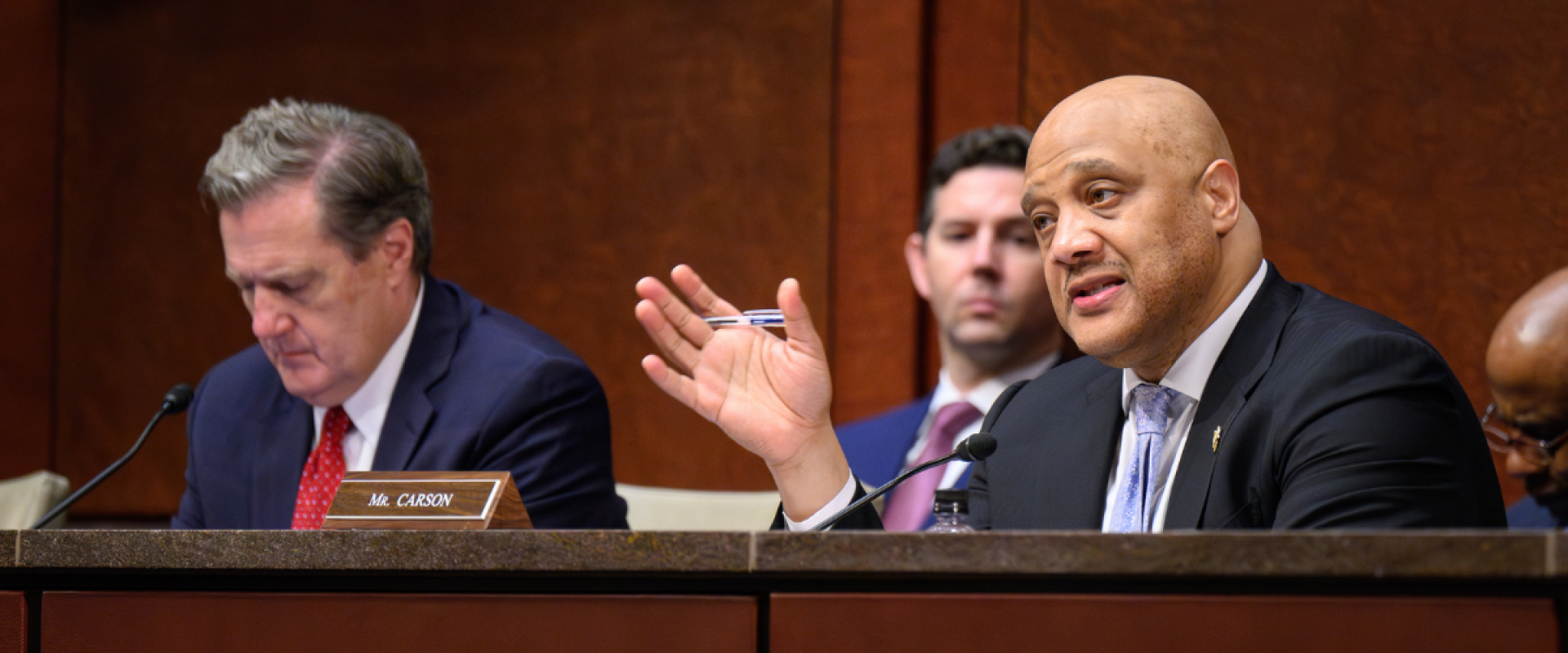
U.S. Lawmaker Reintroduces Justice for Shireen Act to Probe Journalist’s Killing
February 6, 2026
February 06, 2026 – Zimbabwe –
Zimbabwean journalist Memory Dube was detained and threatened with legal action after publishing a report that authorities labelled “false news,” drawing criticism from press freedom advocates who view the case as part of a broader pattern of intimidation against media workers in the country. The incident highlights ongoing tensions between state authorities and independent journalists covering governance and social issues.
According to the International Press Institute (IPI), Dube, a seasoned reporter for The Standard newspaper, was summoned by police in Harare in late January 2026 and detained briefly over stories that examined alleged corruption and administrative impropriety at local government levels. Police accused the journalist of spreading “falsehoods,” a charge that is frequently invoked under Zimbabwe’s Criminal Law (Codification and Reform) Act to target reporting that authorities find unfavourable or critical.
While in custody, Dube was reportedly warned that further publication of material deemed false could lead to prosecution — a threat press advocates describe as a form of legal intimidation rather than due process. After his release, Dube told colleagues that police admonished him about his reporting style and content, urging greater caution and adherence to official narratives.
Human rights and media freedom organisations argue that such “false news” laws are routinely used in Zimbabwe to chill independent reporting rather than to address genuinely unlawful misinformation. IPI said in a statement that authorities have failed to provide concrete evidence of factual inaccuracy but instead relied on vague claims of harm to public order to justify pressure on the journalist.
Local advocacy groups have pointed to Dube’s reporting as legitimate investigative work that serves the public interest by exposing issues of corruption and accountability. They stress that using criminal statutes to challenge reporting undermines journalistic roles in uncovering facts and holding power to account. Zimbabwe has a history of legal actions against the press that human rights observers say have contributed to a constrained media environment in which journalists face risks for covering sensitive topics.
In related coverage, authorities also blocked access to The Standard’s website in late January 2026, a move that analysts say is part of a broader effort to limit the reach of independent news outlets in the run-up to local elections later this year. The site blockage left readers reliant on proxies or social media fragments to access Dube’s reporting.
Press freedom advocates have condemned Dube’s detention and threats as violations of constitutional protections for free expression and media independence. They are urging Zimbabwean authorities to drop threats of prosecution against journalists, repeal overly broad “false news” provisions and ensure legal safeguards that protect reporters from arbitrary interference.
In response, Zimbabwe’s Ministry of Information defended action against what it described as irresponsible reporting, asserting that journalists must adhere to ethical standards and accurate reporting. However, critics say this justification masks attempts to suppress scrutiny of governance and civic issues at a time when public discourse is most needed.
reference –
Zimbabwe: Journalist threatened, detained over false news allegations