Osama Ahmed Balousha Killed in Gaza Airstrike
September 8, 2025
Standing Firm for Truth: Why the World’s Voices Depend on Journalists
September 9, 2025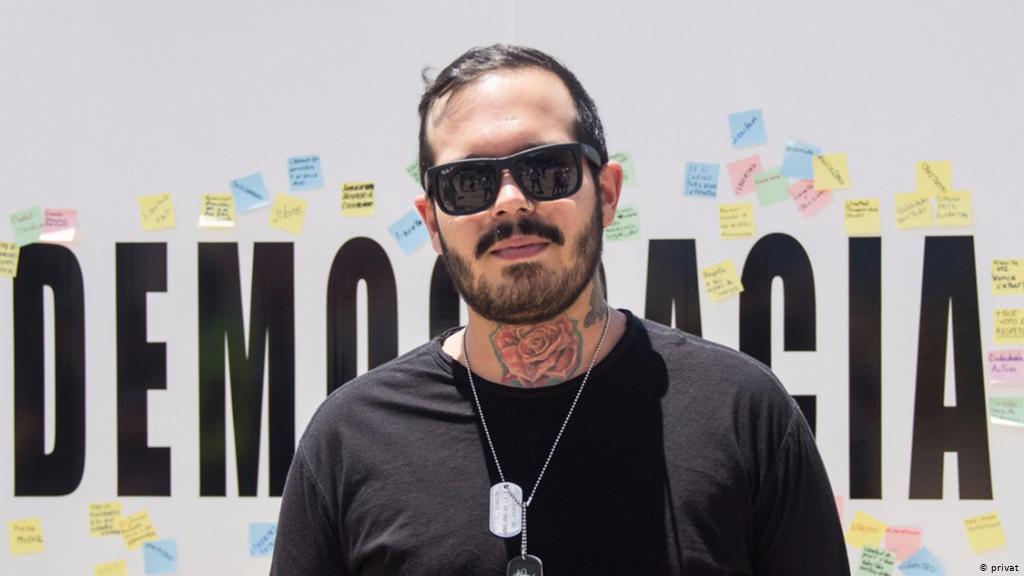
September 09, 2025 – Venezuela –
Venezuelan journalist and activist Melanio Escobar, who has lived in exile for years, has denounced escalating threats against him and his family. In recent days, Escobar revealed that he is receiving daily intimidation from Chavista militants allegedly linked to the Cartel de los Soles and the Tren de Aragua criminal organization. The threats, delivered through social media and other digital platforms, specifically target his relatives with the intent of forcing him to return to Venezuela.
Escobar published screenshots showing explicit messages calling for his family to be abducted as leverage. One read: “We have to locate this bastard’s family to make him come to Venezuela.” Another threatened to place a reward for information about their whereabouts. Escobar warned that these attempts to terrorise his loved ones represent a dangerous escalation from the ongoing harassment he has endured due to his journalism and advocacy work.
Despite relocating abroad to escape persecution, Escobar said exile has not guaranteed safety. He fears that returning to Venezuela under such conditions would likely mean disappearance, torture, or death. By focusing on his family, the threats reflect a broader strategy of silencing journalists by extending the costs of dissent to those closest to them.
The case highlights the blurred lines between political repression and organised crime in Venezuela. Groups like Tren de Aragua and Cartel de los Soles have long been accused of operating with impunity, often with ties to state actors. Their involvement in targeting Escobar illustrates how journalists remain vulnerable to transnational intimidation even outside the country.
For press freedom advocates, the situation underscores an alarming reality: exile is no longer a shield against authoritarian repression. Threats that transcend borders create an atmosphere of fear for journalists forced to flee, and they also signal to others inside the country that no level of opposition is safe.
References –