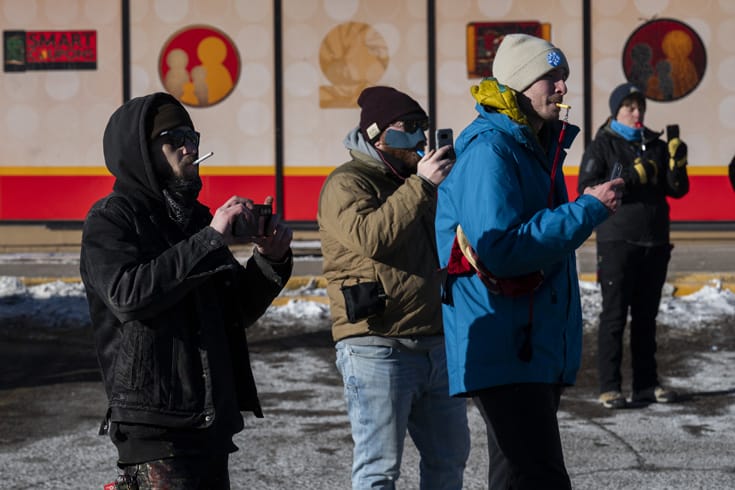
Citizen Journalists in Minneapolis Lauded as Essential Recorders of the City’s Unrest
January 31, 2026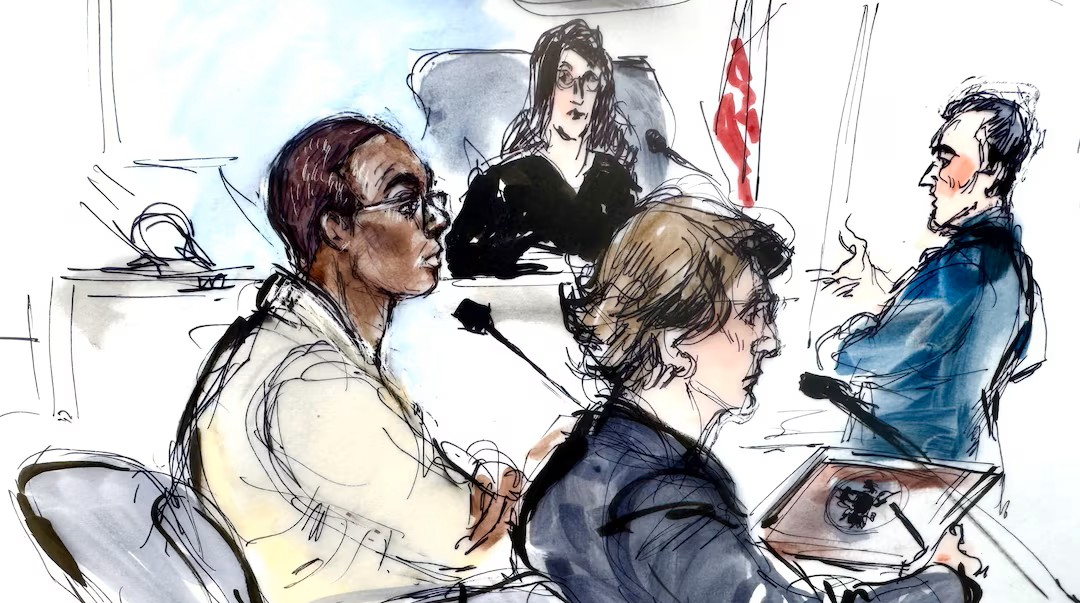
Two U.S. Journalists Released After Arrests Over Minnesota Church Protest Coverage
January 31, 2026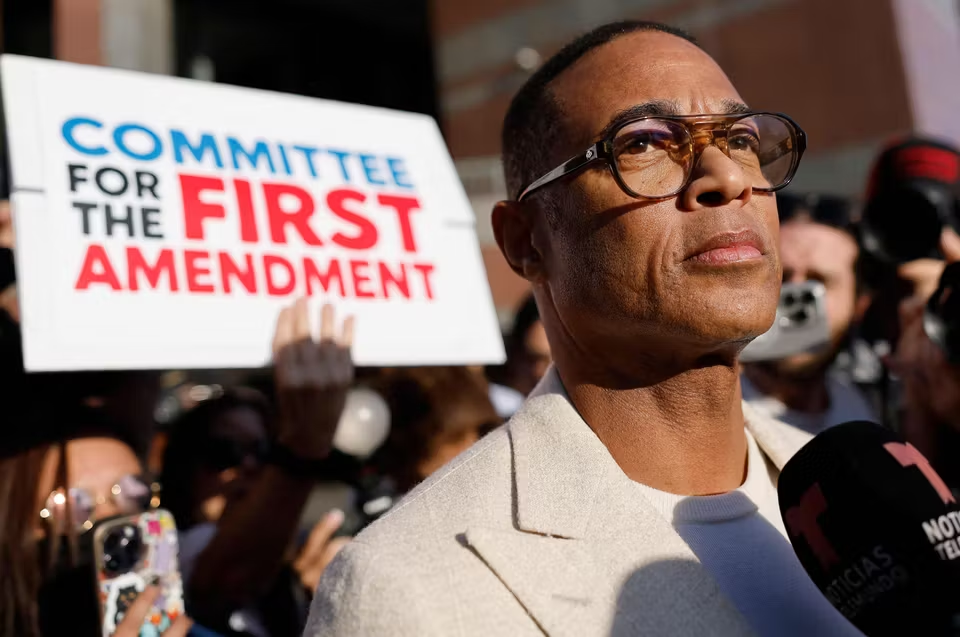
January 31, 2026 – USA –
A high-profile case in the United States has ignited intense debate over press freedom and the rights of journalists after two journalists, Don Lemon and Georgia Fort, were arrested in connection with their reporting on protests in Minnesota. The incidents have drawn criticism from press freedom advocates, legal experts, and civil liberties groups, who argue that the actions by federal authorities threaten First Amendment protections and could chill independent journalism.
The controversy stems from a January 18, 2026, protest at Cities Church in Saint Paul, Minnesota, where demonstrators disrupted a worship service to denounce immigration enforcement actions by U.S. Immigration and Customs Enforcement (ICE) following the fatal shootings of two residents by federal agents. Lemon, a veteran journalist and former CNN anchor now hosting a YouTube show, was livestreaming from the protest, interviewing participants and parishioners. Fort, an independent journalist based in the Twin Cities, also covered the same event and livestreamed her activities. Both were later indicted by a federal grand jury on charges including conspiracy and violating the Freedom of Access to Clinic Entrances Act for allegedly interfering with the rights of worshippers.
Lemon was arrested by federal law enforcement in Los Angeles on January 29, 2026, and Fort was taken into custody at her Minneapolis home on January 30. Both were released without bail, but the arrests sparked widespread condemnation from press freedom organisations and civil liberties defenders. Critics, including the Knight First Amendment Institute at Columbia University, characterised the prosecutions as “extremely alarming” and potentially unconstitutional, asserting that reporting on protests is protected activity under the First Amendment and should not warrant criminal charges.
Legal experts noted that a federal magistrate judge had previously declined to approve probable cause for arrest warrants, underscoring concerns over the legality and haste of the government’s actions. The Trump administration’s involvement, including public comments portraying protesters negatively, has added a political dimension to the case, with some observers suggesting that the legal strategy may target journalists as part of a broader effort to suppress contentious reporting.
Press freedom advocates and civil rights groups have stressed that “journalism is not a crime” and warned the case could set a dangerous precedent if authorities prosecute journalists for their role in documenting public protests, even when they are present alongside demonstrators. They argue that such prosecutions blur the line between journalism and activism, potentially placing independent reporters at risk of legal reprisals simply for fulfilling their role of informing the public.
The Minnesota arrests have thus become a focal point in the ongoing national conversation over media rights, government transparency, and the protection of press freedoms in the face of politically charged enforcement actions and social unrest.
Reference –
https://edition.cnn.com/2026/01/30/politics/don-lemon-custody
https://www.theguardian.com/law/2026/jan/30/press-freedom-journalist-arrests-ice-don-lemon