Moldovan Journalist Targeted by Smear Campaign Following Sensitive Reporting
April 2, 2026
Reporting in the Dark: How Middle East Journalists Navigate Blackouts and Disinformation
April 2, 2026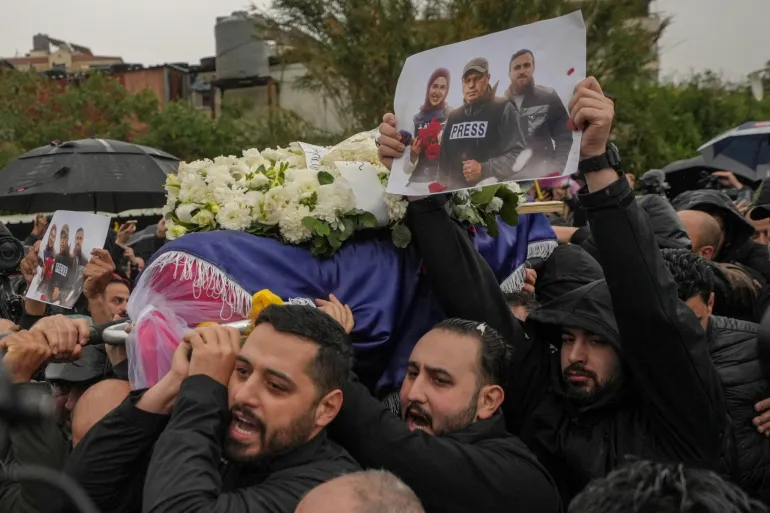
April 02, 2026 – Lebanon –
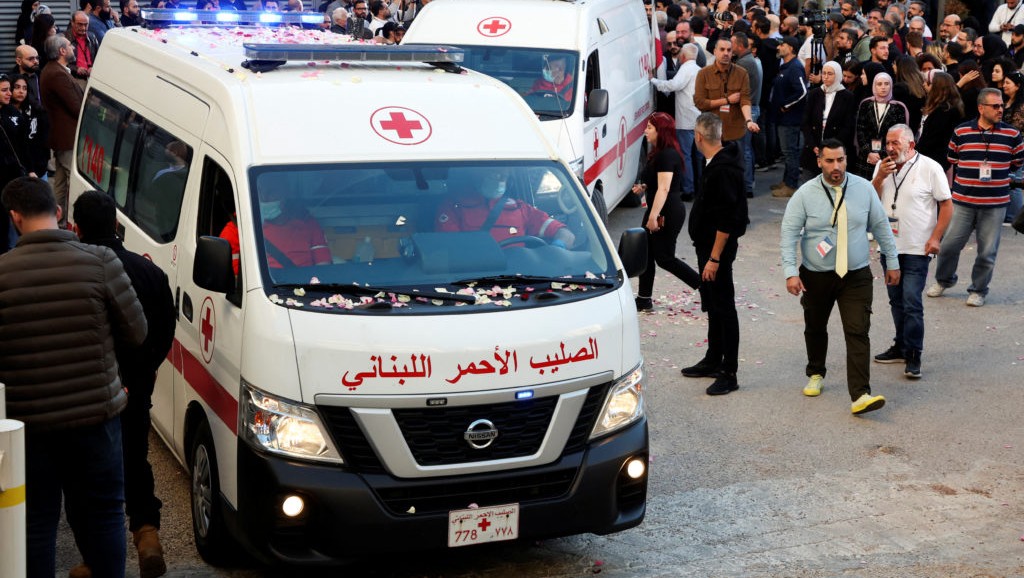
United Nations experts have called for an independent international investigation into the killing of three Lebanese journalists in an Israeli airstrike, warning that the incident may constitute a serious violation of international law and reflects a broader pattern of attacks on media workers in conflict zones.
The appeal follows the March 28 strike in southern Lebanon that killed Ali Shoeib, a correspondent for Al-Manar TV, along with Fatima Ftouni and Mohammad Ftouni of Al-Mayadeen. According to UN-appointed human rights experts, the killings must be “promptly, fully and independently investigated” to determine whether they amount to unlawful or deliberate targeting of civilians.
In a strongly worded statement, the experts rejected Israel’s claims that the journalists were affiliated with armed groups, noting that no credible evidence had been presented. They emphasized that even if journalists work for media outlets linked to political or armed actors, this does not strip them of civilian protection under international humanitarian law.
The experts further warned that the repeated killing of journalists in Lebanon, Gaza, and the occupied West Bank points to a dangerous pattern of impunity. They argued that such incidents risk normalizing attacks on the press and undermining global protections for journalists operating in war zones.
Describing the killings as an “egregious attack on press freedom,” the experts said that deliberately targeting journalists who are not directly participating in hostilities could constitute a war crime. They also expressed concern over what they described as a recurring practice of accusing slain journalists of militant ties without substantiated evidence, a pattern they said further endangers media workers.
The experts called on the Lebanese government to collect and preserve evidence and to formally request an international investigation. They also urged states that publicly support press freedom to take a stronger stance and apply pressure to ensure accountability for attacks on journalists.
The case has added to mounting international concern over the safety of journalists in the region, where escalating hostilities have increasingly exposed media workers to lethal risks.
For press freedom advocates, the UN intervention underscores a critical point: without independent investigations and accountability, the protections afforded to journalists under international law risk being steadily eroded in modern conflict environments.
Reference –