In response to a deepening crisis in the local news industry, several U.S. states are progressing with public policy measures designed to bolster community newsrooms and preserve local journalism jobs, offering potential models for other regions grappling with newsroom contraction and newsroom closures. Local news outlets across the country have experienced steep declines in staffing and circulation, leading policymakers and media advocates to explore novel ways to sustain coverage at the local level.
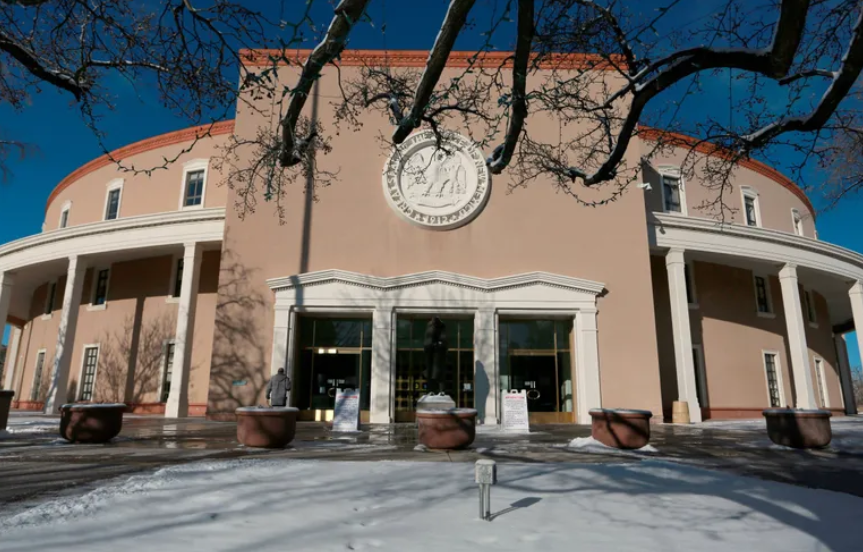
One of the most prominent efforts is underway in New Mexico, where the state legislature recently approved legislation that would offer targeted tax credits to newspapers, broadcasters, and digital outlets operating within the state. If signed by the governor, the bill would provide up to $15,000 in tax credits per journalist employed by qualifying news organisations, a measure supporters say could help retain existing jobs and encourage new hires at outlets struggling with revenue shortfalls. In addition to tax credits, the state budget includes emergency funding for public broadcasters and a small fellowship programme aimed at supporting early-career journalists.
New Mexico’s approach follows similar steps taken by Illinois, which began offering refundable tax credits in 2025, and New York, which also enacted journalism tax incentives for 2026. These actions reflect a growing recognition at the state level that traditional advertising and subscription revenue no longer reliably support robust local coverage, especially in smaller communities where news deserts have become more prevalent. Some states have pursued legislative proposals tied to compensation from large tech platforms, though not all have succeeded.
Advocates for local news argue that state-level interventions can help stabilise newsrooms, enabling them to invest in more investigative reporting and expand coverage on community issues such as education, local government, and public safety. Newsroom leaders in New Mexico noted that the tax credits would allow them to allocate resources toward expanding their reporting capacity rather than merely cutting costs.
Despite these gains, experts emphasise that tax credits and emergency funding are partial responses to structural challenges facing local journalism — including digital disruption, changing audience habits and consolidation by large media corporations — and that sustainable solutions likely require a mix of policy support, philanthropic investment and innovations in business models. Nevertheless, the emerging state initiatives offer a noteworthy blueprint for how public policy can be leveraged to reinvigorate local journalism in an era of widespread industry contraction.
Reference –
https://localnewsinitiative.northwestern.edu/posts/2026/02/26/new-mexico-local-news-crisis-state-tax-credits-newsroom-jobs/
https://www.editorandpublisher.com/stories/other-states-making-progress-on-saving-local-journalism,260399