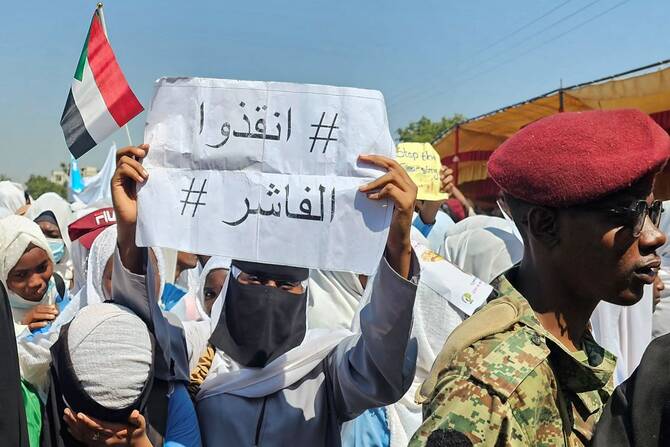
Detention of Female Journalists in Darfur Sparks Urgent Press Freedom Concerns
March 17, 2026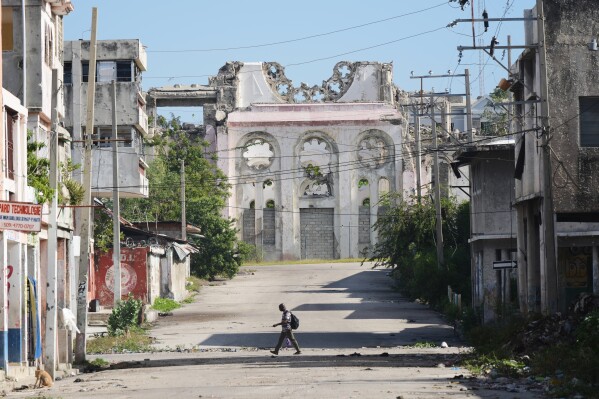
Families Plead for Answers After Journalists Kidnapped in Gang-Controlled Haiti
March 17, 2026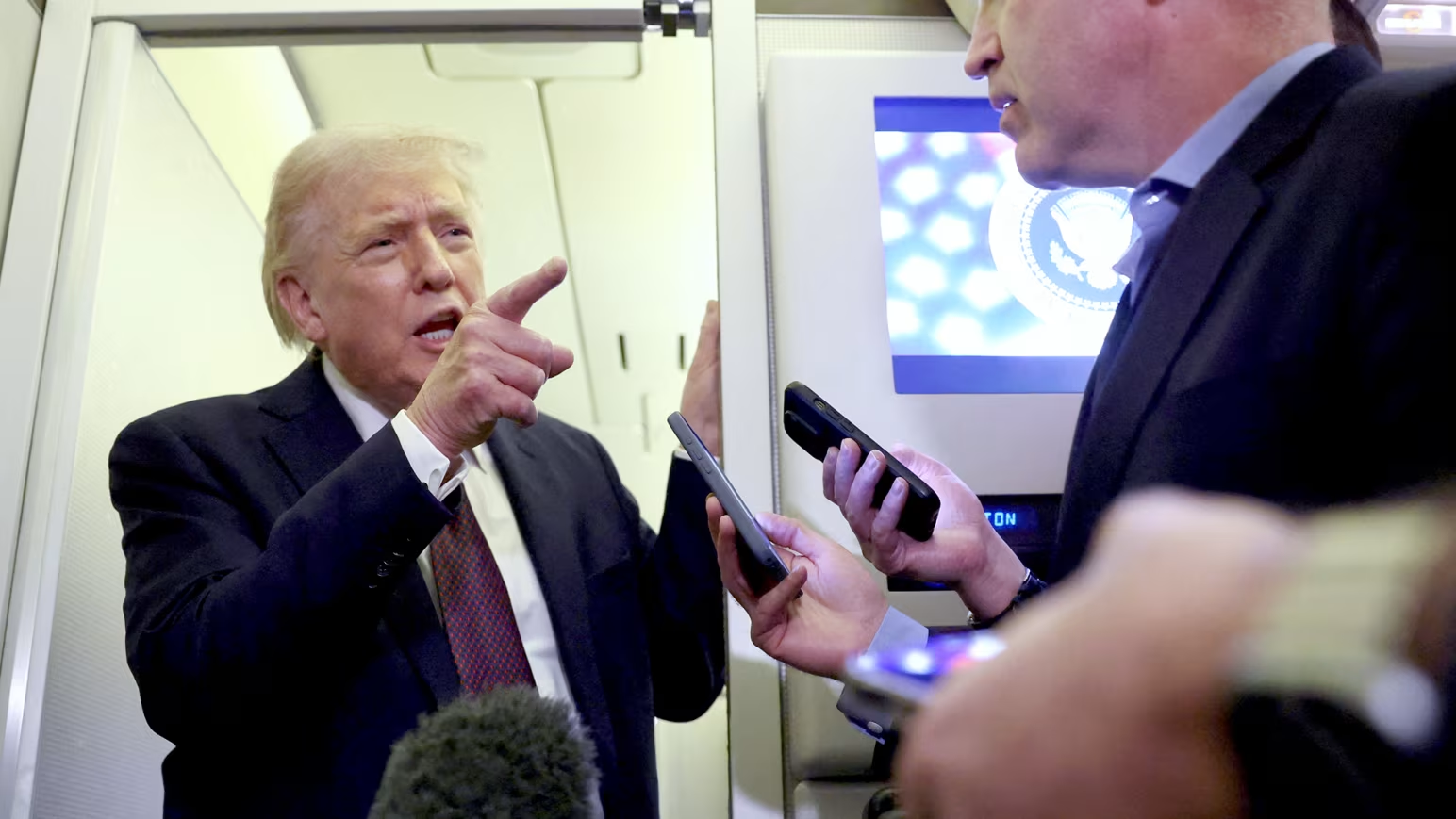
March 17, 2026 – USA/Iran –
The Trump administration has intensified its confrontation with the press over coverage of the ongoing war with Iran, with actions and rhetoric from senior officials raising significant concerns about press freedom and government overreach.
At the center of the controversy are statements by Federal Communications Commission (FCC) Chairman Brendan Carr, who warned that broadcasters could face consequences, including the potential loss of licenses, if their reporting on the war is deemed misleading or not in the public interest. President Donald Trump publicly supported these remarks, praising efforts to scrutinize what he described as “unpatriotic” media coverage.
The administration’s stance has been reinforced by Defense Secretary Pete Hegseth, who has openly criticized major outlets such as CNN for their reporting on the conflict. Officials have suggested that media narratives should align more closely with government messaging, particularly during wartime, framing critical coverage as harmful to national interests.
Press freedom organizations and legal experts have strongly condemned these developments, warning that such measures could violate First Amendment protections. Critics argue that threats of regulatory action, combined with public attacks on journalists and media institutions, create a chilling effect that discourages independent reporting.
The Committee to Protect Journalists (CPJ) has noted that these actions are part of a broader pattern of pressure on the media, including threats of lawsuits, restricted access to government briefings, and attempts to influence editorial decisions. Observers say the combination of regulatory leverage and political rhetoric represents an escalation beyond previous disputes between U.S. administrations and the press.
The tensions come amid heightened scrutiny of the war itself, which began in late February 2026 and has drawn widespread international attention. As reporting on military operations, civilian impacts, and strategic decisions continues, the role of the media in providing independent oversight has become increasingly contested.
Media organizations have defended their coverage, emphasizing their responsibility to report accurately and hold power to account. Meanwhile, lawmakers and advocacy groups have warned that using regulatory threats against journalists risks undermining democratic norms and could set a dangerous precedent for future administrations.
As the conflict with Iran continues, the dispute highlights a deepening divide between the U.S. government and the press, with the balance between national security messaging and independent journalism at the forefront of the debate.
Reference –
https://www.axios.com/2026/03/15/iran-war-trump-media-threats-fcc-hegseth-carr
https://edition.cnn.com/2026/03/16/media/trump-carr-hegseth-fcc-media-iran-war