
UK Government Orders Closure of Open Justice Project Helping Court Reporting
February 9, 2026
Germany Reports Rising Rate of Crimes Against Journalists
February 10, 2026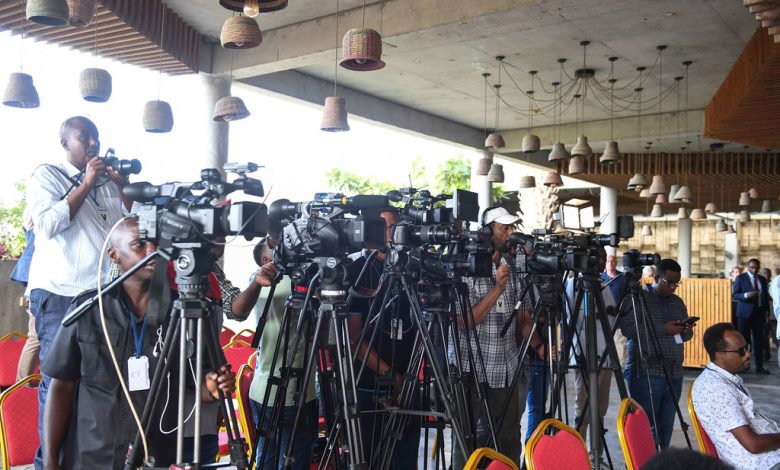
February 09, 2026 – Tanzania –
Media professionals in Tanzania have been urged to intensify their coverage of environmental issues, with experts and officials emphasising that stronger journalism on ecological challenges is essential for public awareness and policy action. Speakers at recent events highlighted climate change, deforestation, pollution, and natural resource management as areas where investigative reporting can contribute to sustainable development and accountability.
At a gathering of media practitioners and environmental stakeholders in Dar es Salaam, representatives from civil society and government agencies told journalists that environmental degradation poses serious risks to food security, public health, and economic stability. They said the media has a pivotal role in documenting how climate impacts are unfolding at community levels and in scrutinising government and corporate responses to environmental threats. Delegates cited recent droughts, flooding, and pollution incidents as examples where stronger reporting could help mobilise action and safeguard vulnerable populations.
Speakers also underscored the importance of environmental journalism in holding authorities accountable for implementing environmental regulations and international commitments. They called on newsrooms to invest in specialised training for reporters so they can better understand scientific data, environmental policy frameworks, and the legal dimensions of natural resource exploitation. Advocates noted that nuanced reporting can amplify citizen voices from affected regions, especially in rural areas where environmental degradation directly affects livelihoods.
Media trainers present at the event argued that climate journalism should be seen as integral to public interest reporting, not a niche beat. They pointed out that environmental issues intersect with governance, economics, and human rights, and that investigative coverage can expose corruption or neglect in sectors such as mining, forestry, and water management. Emphasis was placed on collaborative projects between journalists, scientists, and civil society organisations to ensure accuracy and impact in environmental stories.
Participants urged journalists to leverage new media tools and community reporting networks to broaden public engagement with environmental topics, especially among youth and digitally connected populations. The call to action reflects a growing recognition among Tanzanian media leaders that robust environmental journalism can drive informed debate, influence policy decisions, and support sustainable outcomes for the nation’s natural ecosystems.
Reference –
https://www.therespondents.co.tz/2026/02/journalists-urged-to-investigate.html
https://habaritanzaniagracemacha.blogspot.com/2026/02/journalists-urged-to-embrace.html