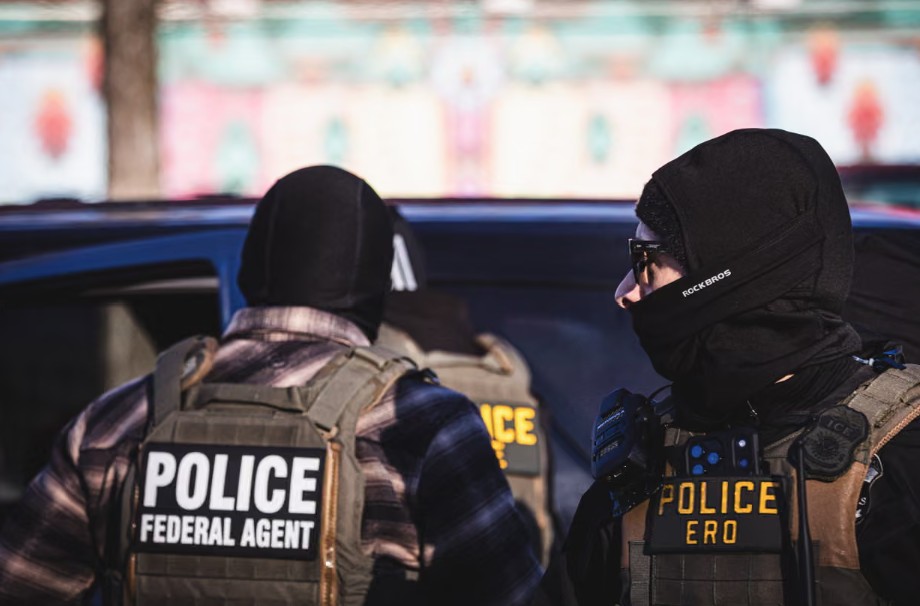
High School Journalist Captures Impact of ICE Raids on Minneapolis Community
January 19, 2026
Iranian Security Forces Arrest Bahá’í Photographer Navid Irani Amid Internet Blackout
January 19, 2026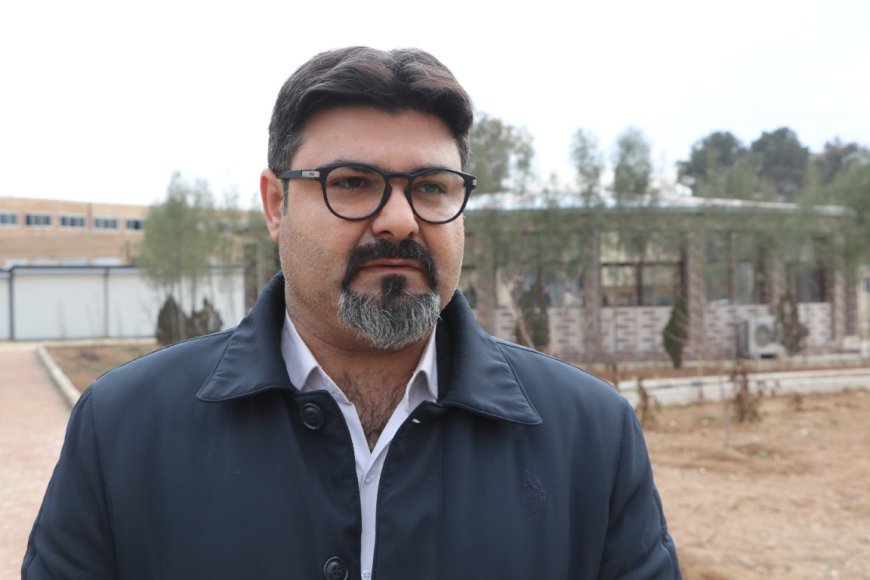
January 19, 2026 – Syria –
Journalists and civil society figures in northern and eastern Syria have issued a unified warning about the escalation of hate speech and inflammatory rhetoric within Syrian and Arab media, expressing deep concern over its effect on societal cohesion and civil peace amid ongoing conflict and transitional governance. Their statements, delivered during public forums and press statements on January 19, 2026, highlight increasing media discourse that critics argue deepens divisions among Syria’s diverse populations and fuels societal fractures.
At the centre of the concerns is rhetoric emanating from media outlets aligned with the interim government in parts of Syria, as well as from supportive Arab news channels, which journalists claim act in ways that resemble state propaganda rather than independent reporting. Journalists such as Raman Issa argued that these outlets contribute to societal fragmentation by amplifying narratives that emphasise sectarian, ethnic, or political differences, and by framing events in ways that legitimise conflict narratives rather than fostering understanding or unity. They stressed the need for professional journalistic ethics and responsible discourse, given the direct human cost of incitement in the context of a fractured and war-scarred society.
Observers also connected recent hate speech campaigns to specific flashpoints in the conflict, including the Sheikh Maqsoud neighbourhood violence in Aleppo, where journalists and analysts say biased reporting played a role in inflaming tensions and contributing to violence that claimed civilian lives. Critics noted that rhetoric emphasising sectarian identities—such as religion or ethnicity—risks entrenching divisions that have already been exacerbated by years of war. They emphasised that such discourse not only undermines efforts toward political negotiation and reconciliation but actively threatens the fragile social fabric of Syrian communities.
Civil society activists echoed journalists’ concerns, warning that hate speech is not limited to traditional media but is increasingly propagated via social media and organised channels, which makes it harder to control and amplifies its reach across Syrian society. They urged media organisations, local leaders, and international actors involved in peace processes to prioritise ethical reporting and to reject any narrative that could inflame tensions or marginalise segments of the population.
In their collective statements, both journalists and activists underscored that media responsibility and impartial reporting are essential to preserving civil peace and preventing further cycles of violence as Syria navigates a precarious transitional phase.
Reference –
https://hawarnews.com/en/journalists-warn-against-hate-speech-in-syrian-media