
UNESCO Launches Psychosocial Support Initiative to Strengthen Resilience of Journalists in Gaza
December 15, 2025
Belarus Releases Veteran Journalist Maryna Zolatava After Four-Plus Years Behind Bars
December 16, 2025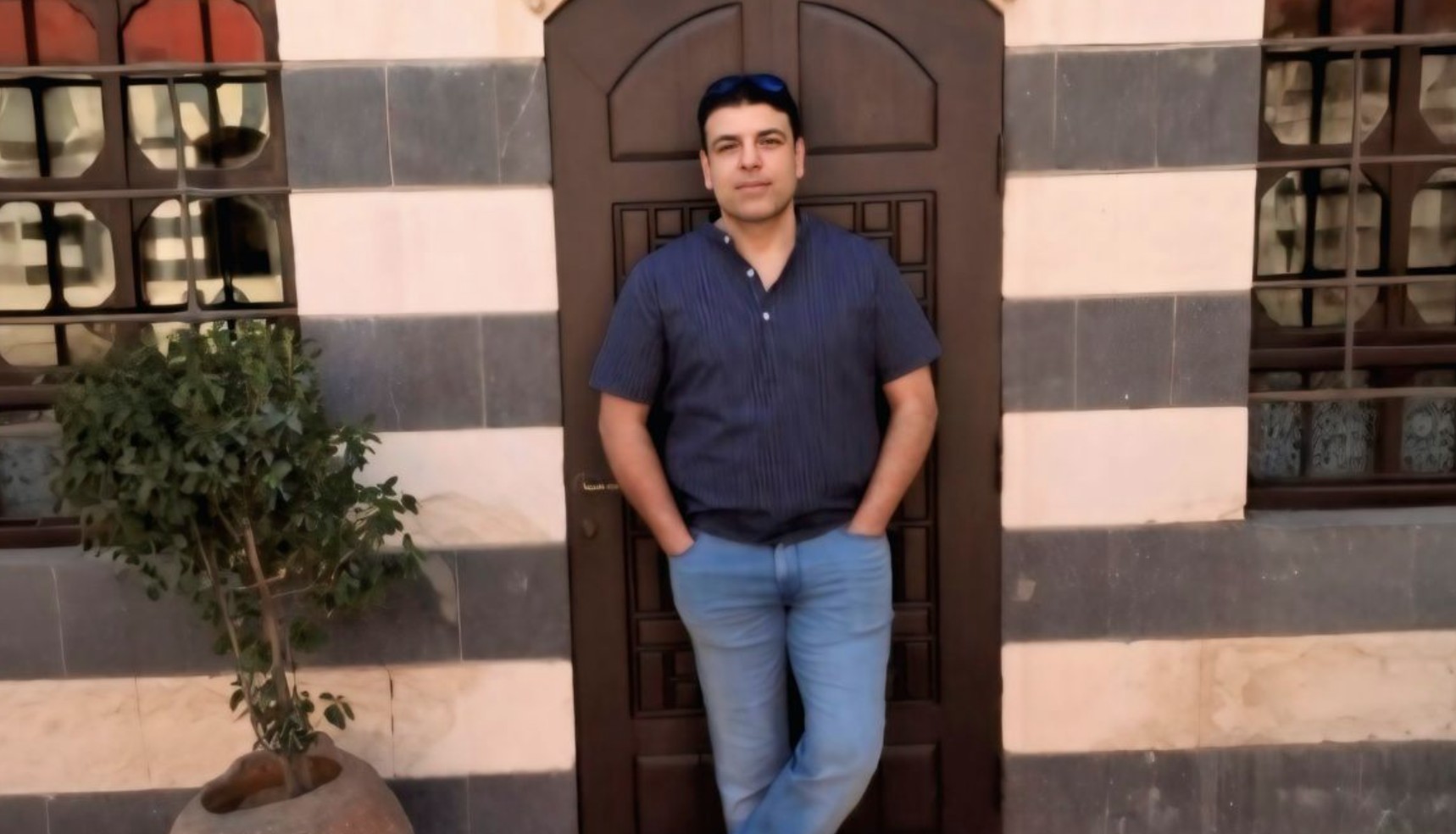
December 16, 2025 – Syria –
Syrian authorities have ordered the release of journalist Iyad Sharbaji, following a detention that drew significant criticism from local media circles, press-freedom advocates, and civil society activists. The decision marks a rare reversal in a context where journalists often face arrest or harassment for independent reporting.
Sharbaji was detained by security forces in Damascus in late November 2025. Although officials did not immediately disclose the charges, local and international rights groups widely condemned the arrest as politically motivated and indicative of the shrinking space for journalism in Syria. The arrest prompted an outpouring of concern on social media and from Syrian journalist networks, who emphasized that Sharbaji’s work focused on civil society issues and community reporting rather than subversive activity.
According to official statements, the Solicitor General in Damascus issued the order for Sharbaji’s release after reviewing the case and determining that continued detention was not justified. Lawyers representing the journalist confirmed that Sharbaji was freed on December 14 and was reunited with family members following his release from custody.
The case attracted attention after colleagues and advocacy organisations publicised details of Sharbaji’s arrest, arguing that it was symptomatic of broader repression of independent media in Syria. Sharbaji’s detention triggered calls for transparency and respect for freedom of expression — a right guaranteed under Syrian law but frequently undermined in practice. Many observers noted that journalists in Syria operate under a persistent threat of intimidation, arbitrary arrest, and legal pressure, particularly when covering politically sensitive topics.
In response to his release, several Syrian press groups welcomed the decision and urged authorities to uphold the rule of law and avoid politicised detentions in the future. They stressed that constructive engagement with journalists, including those reporting on social conditions and humanitarian issues, is crucial to fostering a more open information environment.
International press-freedom advocates also weighed in, urging that Sharbaji’s release should be followed by broader reforms to protect journalists from arbitrary detention. They highlighted that while individual releases are positive, systemic challenges remain — including vague legal provisions that can be used to stifle media voices and the lack of clear safeguards for reporters.
Sharbaji’s supporters called his release “a step in the right direction,” but many echoed a common refrain: real media freedom in Syria will require consistent legal protections, transparent procedures, and respect for dissenting voices.
As he resumes his professional activities, colleagues say Sharbaji plans to continue his reporting. His case has become a focal point in ongoing discussions about press freedom and the treatment of journalists in Syria, illustrating both the risks reporters face and the potential impact of sustained public and professional advocacy.
Reference –