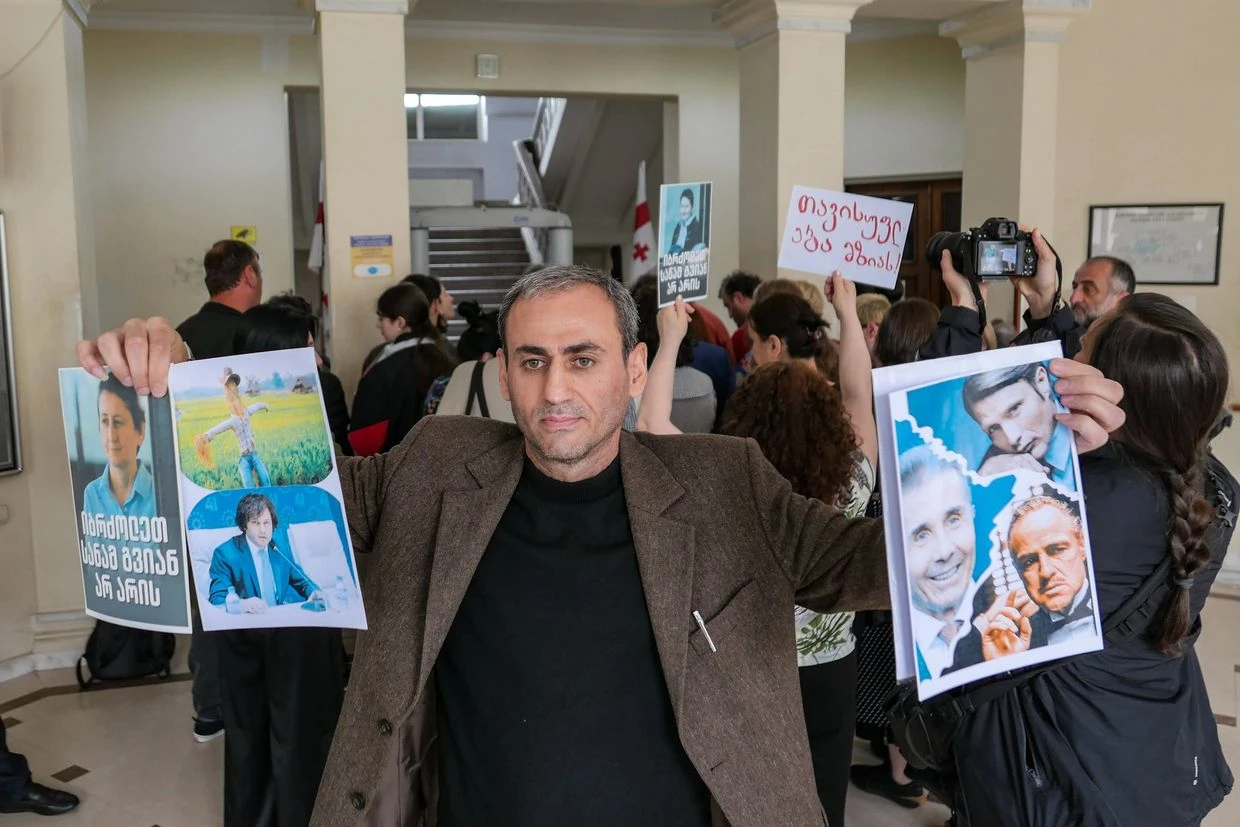
Georgia Deports Azerbaijani Journalist Afgan Sadygov in Controversial Overnight Ruling
April 5, 2026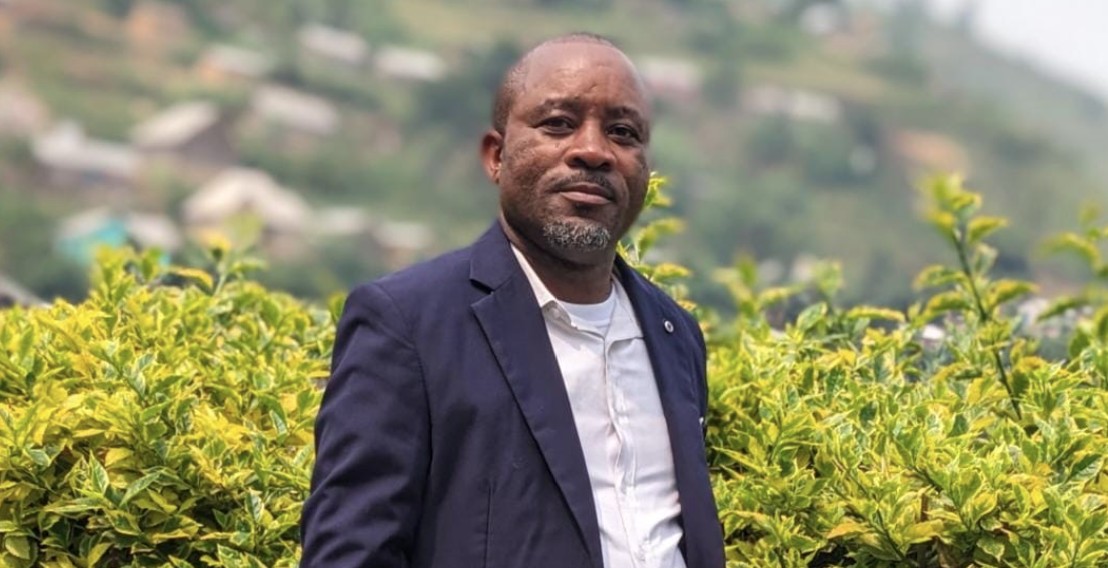
DRC Community Radio Director Detained by M23 Rebels in Goma
April 5, 2026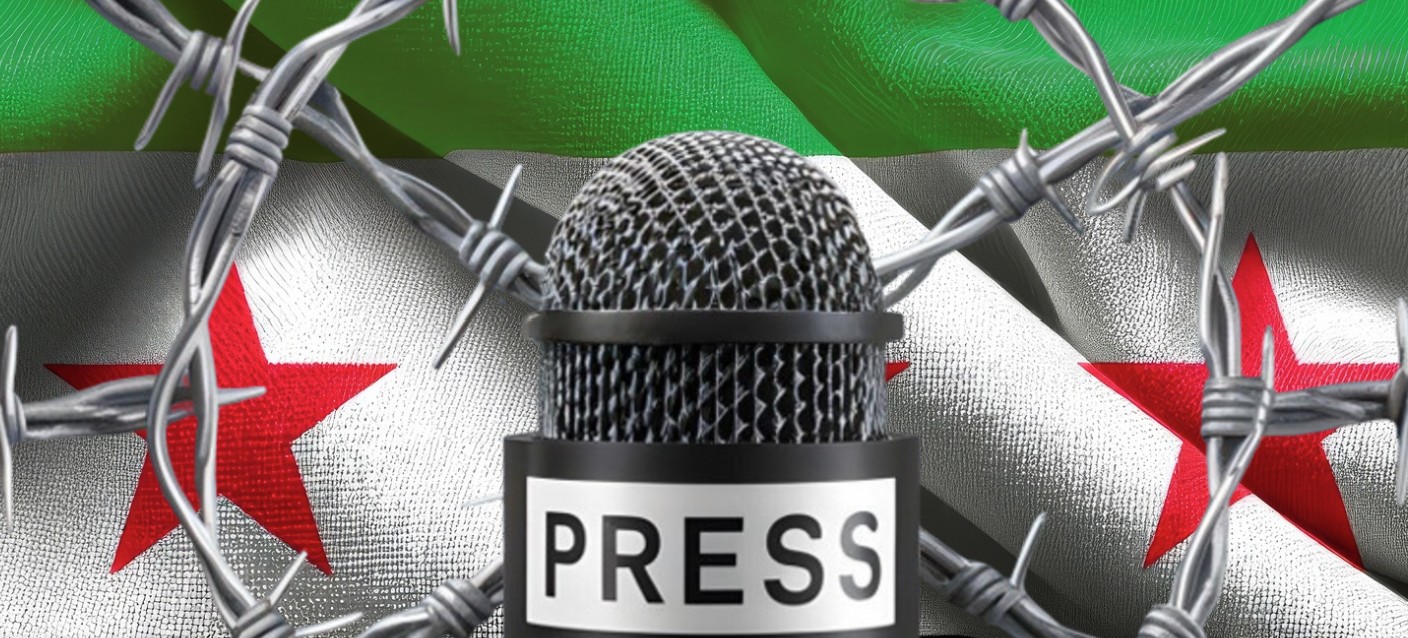
April 05, 2026 – Syria –
Syrian authorities have revoked the operating licenses of three media organizations in a move that press freedom advocates say reflects mounting restrictions on independent reporting and heightened control over information inside the country.
The decision, announced by the Syrian Ministry of Information, affects Baladna, Al‑Hurriya TV, and Souria Houria, outlets that have been critical of government policies and have reported on social and political issues with greater independence than state‑aligned media. Officials justified the revocations by citing alleged “violations of media regulations,” including purportedly compromising national security and failing to meet licensing requirements, though observers say the justifications are vague and often pretextual.
Representatives of the affected outlets condemned the move as an assault on press freedom. Executives and journalists associated with the three organizations argued that the revocations were politically motivated and aimed at silencing dissenting voices before upcoming public events and amid ongoing socioeconomic challenges. They pointed out that officials had repeatedly criticized independent reporting and accused critical outlets of spreading misinformation without offering clear evidence of wrongdoing.
The Ministry of Information’s announcement also referenced a series of directives related to media “responsibility and safety,” signaling an intensification of regulatory scrutiny over content perceived as threatening to stability or public order. Legal experts and press advocates note that similar provisions have been used in the past to suppress critical reporting and limit the operational space for independent media in Syria’s tightly controlled media landscape.
International rights groups quickly responded to the news. Media watchdogs called the revocations a setback for press freedom in a country already ranked poorly in global free expression indices. They emphasized that shutting down outlets removes vital sources of diverse information for Syrian audiences and further consolidates control over news narratives by state‑aligned entities. Advocates also urged authorities to reverse the decisions and ensure that media regulation complies with international standards protecting freedom of expression.
The dispute over the licenses highlights ongoing tensions between Syrian authorities and independent journalists, who have faced legal harassment, arrests, and censorship in recent years. Revoking the registrations of established outlets raises broader concerns that other media organizations could be targeted under similar pretexts.
For observers of press freedom in the region, the move signifies not only a narrowing media environment but also a strategic effort to preempt critical coverage at a moment when socio‑political grievances persist across the country. The decisions are likely to deepen fears among journalists and media workers about the safety and viability of independent reporting within Syria’s restrictive information ecosystem.
Reference –
Syria Revokes Licenses of 3 Media Outlets Amid Dispute Over Press Freedom and Safety