
Nigeria Tallies 86 Attacks on Journalists and Citizens in 2025, Press Freedom Group Says
January 31, 2026
Gaza-Based Journalist Bisan Owda Regains TikTok Account After Outcry
January 31, 2026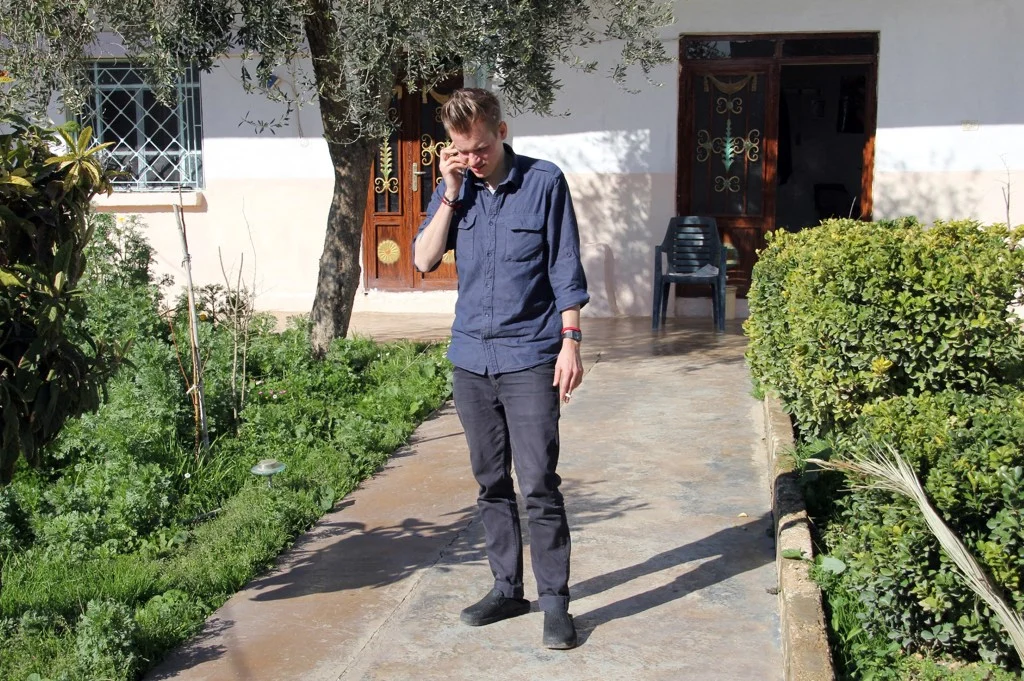
January 31, 2026 – Turkey/Sweden –
Sweden has formally rejected a request from Turkey to question Swedish journalist Joakim Medin, a move that has reignited debate over press freedom, counterterrorism laws, and cross-border judicial cooperation. The decision, confirmed on January 30, 2026, was communicated by the Swedish government after reviewing a Turkish request tied to terrorism related charges that Ankara claims stem from Medin’s reporting and online commentary.
According to Swedish officials, the request did not meet the legal requirements for mutual legal assistance, particularly the principle of dual criminality, which requires that an alleged offense be recognized as a crime in both countries. Authorities said the activities cited by Turkish prosecutors would fall within protected journalistic work under Swedish law, where freedom of expression and media independence are constitutionally safeguarded.
Turkey has accused Medin of links to a banned organization, allegations he denies and which press freedom groups say are routinely used to silence critical reporting. The Swedish government stated that cooperating with such a request could expose a journalist to politically motivated prosecution and would be inconsistent with Sweden’s obligations under European human rights standards.
Human rights organizations welcomed the refusal, describing it as an important signal that European states will not facilitate the extraterritorial use of terrorism legislation against reporters. They argue that cases like Medin’s reflect a broader pattern in which journalists are pursued across borders for their coverage of sensitive political issues.
Ankara has not publicly responded to Sweden’s decision, but the dispute adds to existing tensions between Turkey and several European governments over press freedom and legal standards. The case also highlights the challenges faced by journalists operating in an environment where national security laws are increasingly invoked to justify investigations and prosecutions.
Swedish officials reiterated that their refusal does not prevent Turkey from pursuing lawful avenues consistent with international norms, but stressed that journalism itself cannot be treated as terrorism. As international scrutiny continues, the outcome is likely to shape future responses to similar requests involving journalists and cross-border legal cooperation. The decision may influence debates on democratic accountability worldwide.
Reference –
Sweden rejects Turkey’s request to question journalist facing terror charges