
Six Years On: Khashoggi’s Murder Remains Unpunished, Global Outcry Persists
October 2, 2024
A Catholic Journalist’s Life, A Community’s Loss
October 2, 2024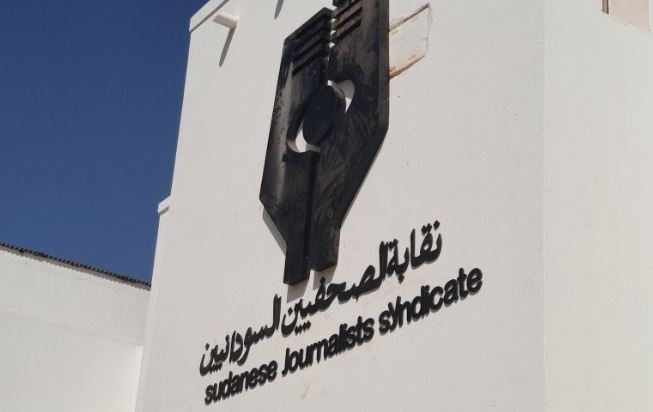
October 02, 2024 – Sudan –
Since the outbreak of war in April 2023, Sudan’s journalistic ecosystem has suffered catastrophic damage. According to reports by UNESCO and the Sudanese Journalists Syndicate, roughly 90% of the country’s media infrastructure — encompassing television, radio, print outlets, and news agency facilities — has been either destroyed, looted, or forced out of use.
The destruction has deeply affected media workers. Around 1,000 journalists have been displaced, many forced to flee into exile or abandon the profession entirely due to lack of resources and safety. Print newspapers, some in operation for over a century, no longer publish; radio and TV stations have been suspended in conflict zones and their equipment destroyed.
Communities have also felt the impact. With regional outages and shutdowns, many states in Sudan are now cut off from reliable communication channels. Residents facing humanitarian crises are often without access to verified information, leaving space for misinformation and rumors to fill the gap.
Yet even amid this devastation, signs of resilience have emerged. Sudanese journalists inside and outside the country have organized through bodies like the Sudan Media Forum, working collaboratively to deliver essential coverage under dangerous and constrained conditions. Support programs from UNESCO and international media freedom organizations aim to help maintain operations, provide training, support mental health, and counter disinformation.
Still, the challenges are immense. Physical destruction, looting, collapse of print distribution, restricted movement, threats to safety, and hostile working environments — including attacks on journalists — continue to erode what remains of independent media. The war has not only damaged buildings and technology but also shattered networks, trust, and the basic ability of journalists to do their job.
Sudan’s media collapse is more than a loss of infrastructure: it represents a crisis of information, transparency, and public accountability. As media houses lie in ruins, it is the citizens — in search of truth, safety, and hope — who bear the greatest burden.
Reference –