Journalists’ Safety Tied to Labour Rights as ILO Warns of Growing Global Press Freedom Risks
May 14, 2026
Former ABC Journalists Rally Behind Network Amid FCC Pressure
May 14, 2026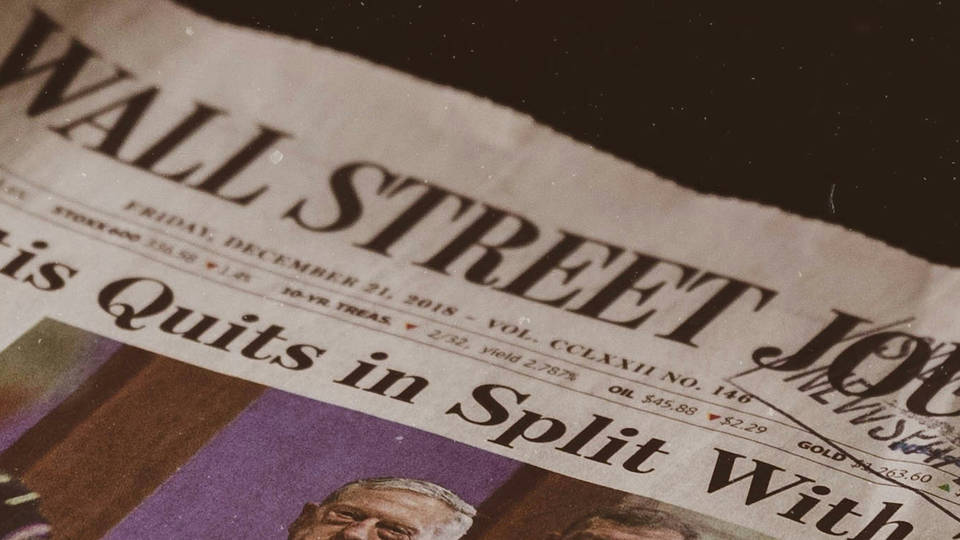
May 14, 2026 – USA –
The United States Department of Justice has issued subpoenas seeking records connected to journalists reporting on internal discussions surrounding the Iran conflict, escalating tensions between the Trump administration and major news organizations over national security reporting and government leaks.
According to reports, The Wall Street Journal received grand jury subpoenas related to coverage examining internal Pentagon concerns and administration deliberations tied to possible military action involving Iran. The subpoenas reportedly sought records connected to journalists who worked on stories discussing disagreements and risk assessments within the administration before the conflict escalated.
The reports triggered immediate criticism from press freedom organizations and civil liberties advocates, who warned that efforts to obtain journalists’ records could undermine confidential sourcing and discourage investigative reporting on national security matters. Advocacy groups argued that leak investigations targeting reporters or their communications risk creating a chilling effect on independent journalism.
The Committee to Protect Journalists condemned the subpoenas and called on the Justice Department to withdraw them immediately. CPJ stated that conflating journalism with criminal conduct or treason poses serious dangers to democratic accountability and freedom of the press. The organization also noted that the subpoenas followed increasingly aggressive rhetoric from President Donald Trump regarding media leaks connected to the Iran conflict.
Reports indicated that the administration intensified leak investigations after internal discussions and military planning details appeared in national media coverage. Trump reportedly pressed senior Justice Department officials to identify individuals responsible for sharing sensitive information with reporters, while administration officials defended the investigations as necessary to protect classified material and national security interests.
Media organizations strongly criticized the subpoenas, arguing that forcing journalists to surrender records threatens constitutionally protected newsgathering. Dow Jones, the parent company of The Wall Street Journal, described the legal demands as an attack on press freedoms and pledged to challenge the subpoenas.
The controversy has also renewed debate over protections for journalists in leak investigations. Press advocates pointed to earlier policy changes that weakened restrictions on prosecutors seeking records from reporters during national security investigations. Civil liberties groups warned that expanded government powers targeting journalists could discourage whistleblowers from exposing matters of public interest.
Media rights organizations continue emphasizing that independent reporting on government decision-making and military operations remains essential to democratic oversight. Advocates argue that protecting confidential journalistic work is critical to ensuring transparency, accountability, and public access to information during periods of international conflict.
Reference –
https://www.nytimes.com/2026/05/11/us/politics/subpoenas-wall-street-journal-trump.html