Russian authorities have sentenced journalist Aleksei Kotrikadze and businessman Evgeny Chichvarkin in absentia to nine years’ imprisonment on charges related to publishing what the state deems “false information” about the Russian armed forces, according to multiple Russian media reports on 16 February 2026. The rulings highlight Moscow’s tightened legal crackdown on critical reporting and perceived misinformation about the conflict in Ukraine.
According to The Moscow Times and Russian state outlet Izvestia, the military-related “fakes” law — enacted in 2022 shortly after Russia’s full-scale invasion of Ukraine — was cited as the basis for both convictions. The law criminalises the dissemination of information that authorities believe could discredit the Russian armed forces or diverge from official narratives about the conflict. Critics say the statute is broadly defined and has been used to silence dissenting voices and independent reporting.
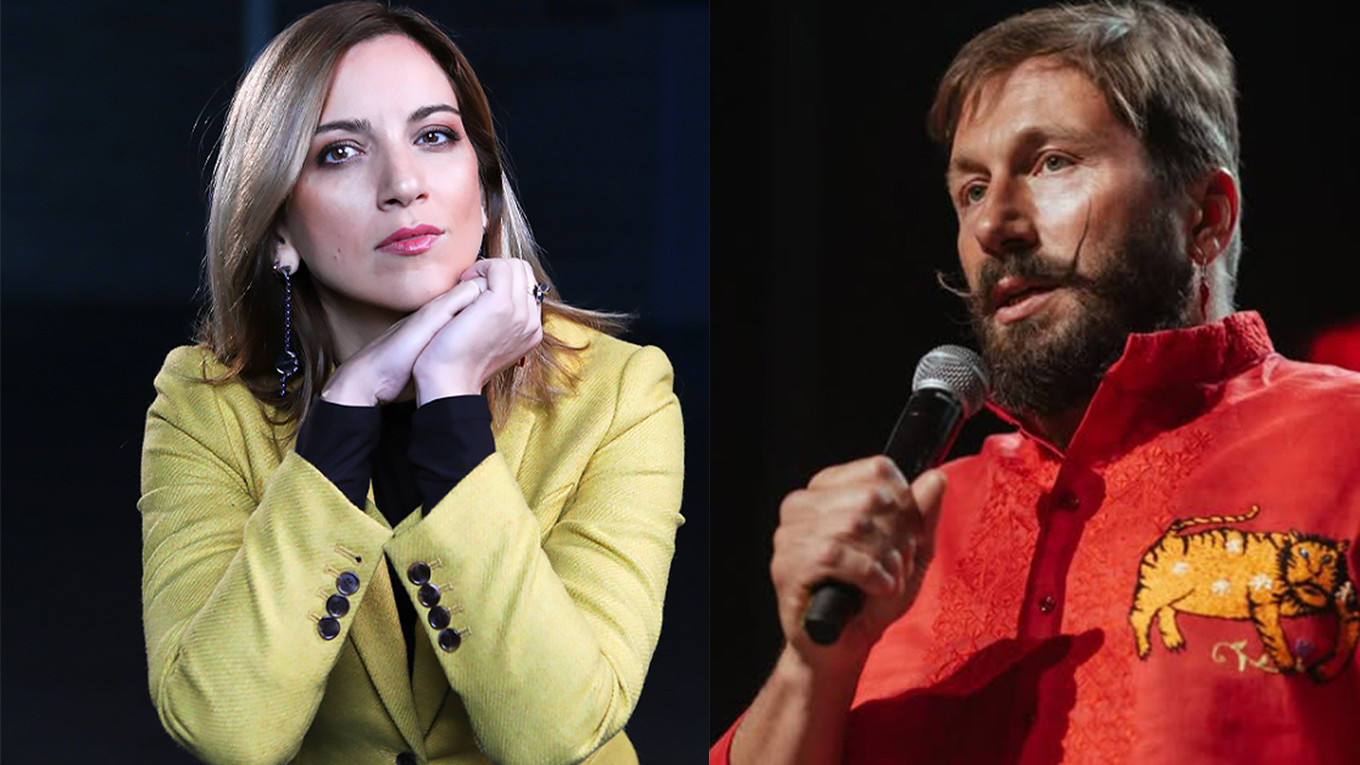
Aleksei Kotrikadze, a journalist known for his work with independent Russian and international media outlets, was tried in his absence after leaving Russia ahead of his prosecution. Prosecutors alleged that Kotrikadze’s reporting contained claims about military losses and battlefield conditions that contradicted official statements and allegedly lacked verification. Kotrikadze was not present in court, and it is unclear if he has legal representation in the proceedings.
Evgeny Chichvarkin, a well-known Russian entrepreneur and vocal critic of the invasion, was similarly sentenced in absentia to nine years in a high-security penal colony. Authorities accused him of disseminating “false information” about the Russian military through social media posts and other public commentary critical of the war. Chichvarkin, who has been living abroad for several years, has consistently rejected the validity of the charges.
The court rulings also included asset forfeiture orders and travel bans for both men, and prosecutors called for their continued pursuit should they return to Russian jurisdiction. Legal experts and press freedom advocates described the sentences as part of an extended pattern of punitive measures used by Russian authorities to deter independent journalism, dissent, and critical public discourse.
International press freedom organisations condemned the verdicts. They argue that prosecuting journalists and critics under broadly defined “fakes” statutes undermines fundamental rights, including freedom of expression and access to information, as guaranteed under international human rights law. Some advocacy groups said they are considering legal avenues and support mechanisms for those targeted under such laws.
The developments are expected to further chill independent reporting about the war in Ukraine, where Russian authorities maintain rigid control over information and have repeatedly prosecuted journalists, activists, and commentators for content deemed inconsistent with state narratives.
Reference –
https://ground.news/article/russia-jails-journalist-kotrikadze-businessman-chichvarkin-in-absentia-over-war-fakes
https://en.iz.ru/en/2043580/2026-02-16/businessman-chichvarkin-was-sentenced-absentia-nine-years-fakes-about-armed-forces-russian
https://www.themoscowtimes.com/2026/02/16/russia-jails-journalist-kotrikadze-businessman-chichvarkin-in-absentia-over-war-fakes-a91957