CPJ Urges Justice on Eighth Anniversary of Gauri Lankesh’s Murder
September 4, 2025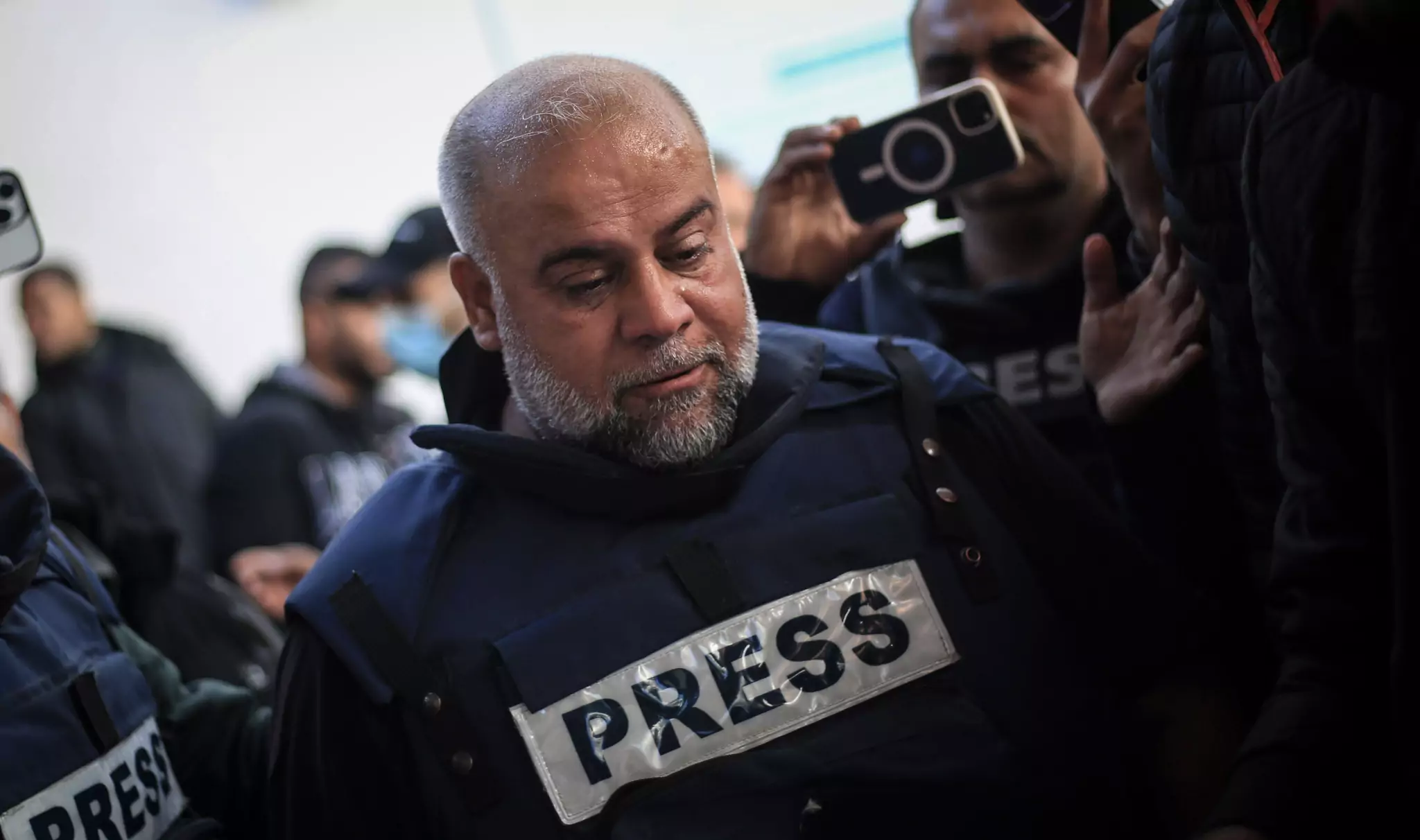
Wael al-Dahdouh: Bearing Witness Amid Family Tragedy and Media Silence
September 5, 2025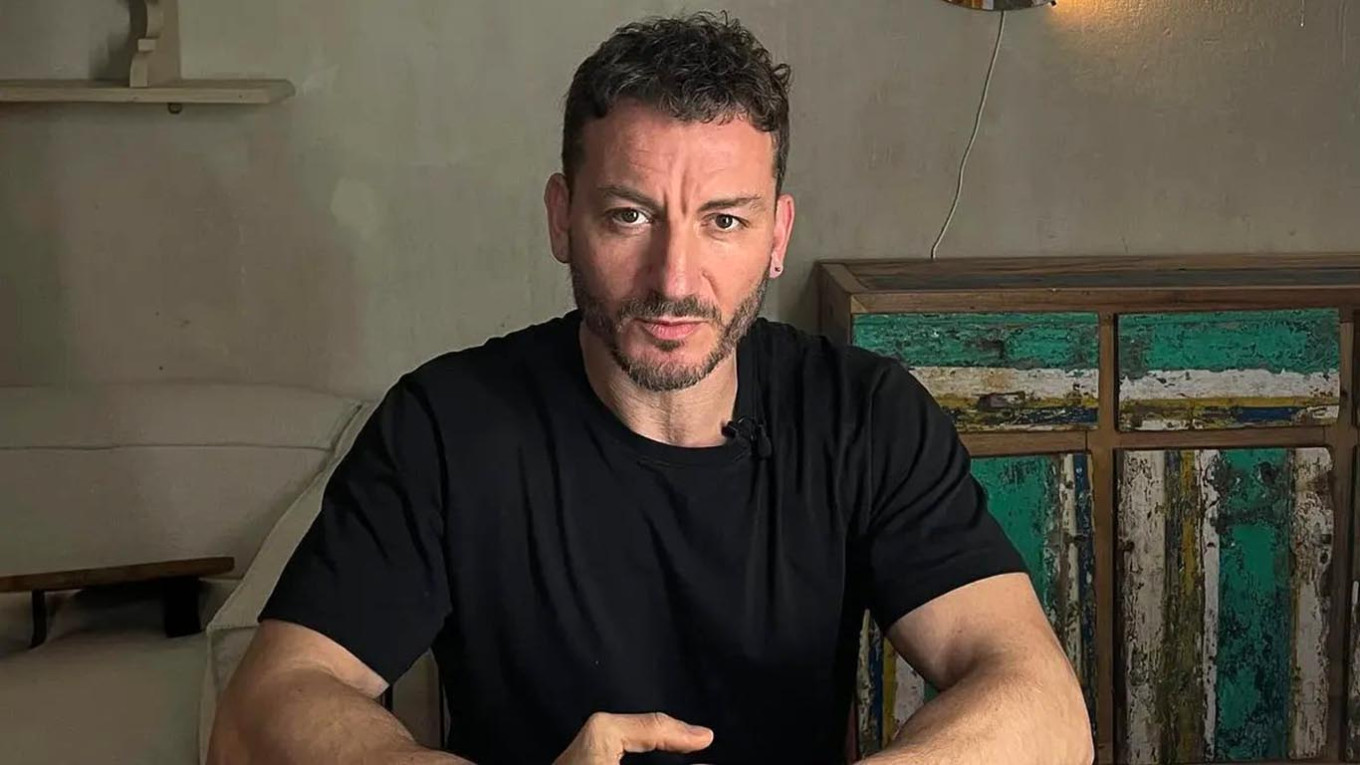
September 04, 2025 – Russia –
A Moscow court has sentenced exiled journalist and LGBTQ+ commentator Karèn Shainyan to five years in prison in absentia, accusing him of financing extremist activities through a small donation to opposition leader Alexei Navalny’s Anti-Corruption Foundation. Prosecutors alleged that in early 202,2 Shainyan transferred 2,000 rubles—about $25—to the foundation, which was labeled an extremist organization by Russian authorities in 2021. While prosecutors initially sought a six-year sentence, the court ultimately imposed five years.
Shainyan, who has lived in exile in London since 2022, was designated a “foreign agent” that same year, a label increasingly used by the Kremlin to stigmatize and marginalize independent journalists and civic figures. He is best known for creating the YouTube series Straight Talk with Gay People, which featured interviews with international LGBTQ+ personalities and sought to challenge stereotypes and promote dialogue in Russia’s restrictive social environment. Despite his own insistence that he is a journalist rather than an activist, his work has frequently placed him at odds with the state’s tightening censorship.
The ruling comes amid a broader crackdown on dissent, where Russia’s extremism and terrorism legislation is used to suppress independent reporting, opposition voices, and human rights advocacy. Trials in absentia have become a common tactic for targeting exiled figures, issuing symbolic punishments that deter return and reinforce fear among others considering public criticism of the government.
Press freedom organizations have condemned the verdict as another escalation in Russia’s war on independent journalism. They argue that criminalizing small donations to opposition groups reveals the extent to which authorities are prepared to manipulate extremism laws for political ends. The case also highlights the vulnerabilities faced by exiled Russian journalists who continue to face harassment, threats, and legal action even beyond the country’s borders.
Shainyan, now 44, has vowed to continue his work despite the risks. He has described the ruling as an attempt to silence both his journalism and his efforts to amplify marginalized voices. For many observers, the verdict underscores not only the Kremlin’s hostility toward dissent but also the increasingly dire landscape for freedom of expression in Russia.
Reference –