Reporting in the Dark: How Middle East Journalists Navigate Blackouts and Disinformation
April 2, 2026
Malaysian Journalist Arrest Sparks Alarm Over Press Freedom and Legal Overreach
April 3, 2026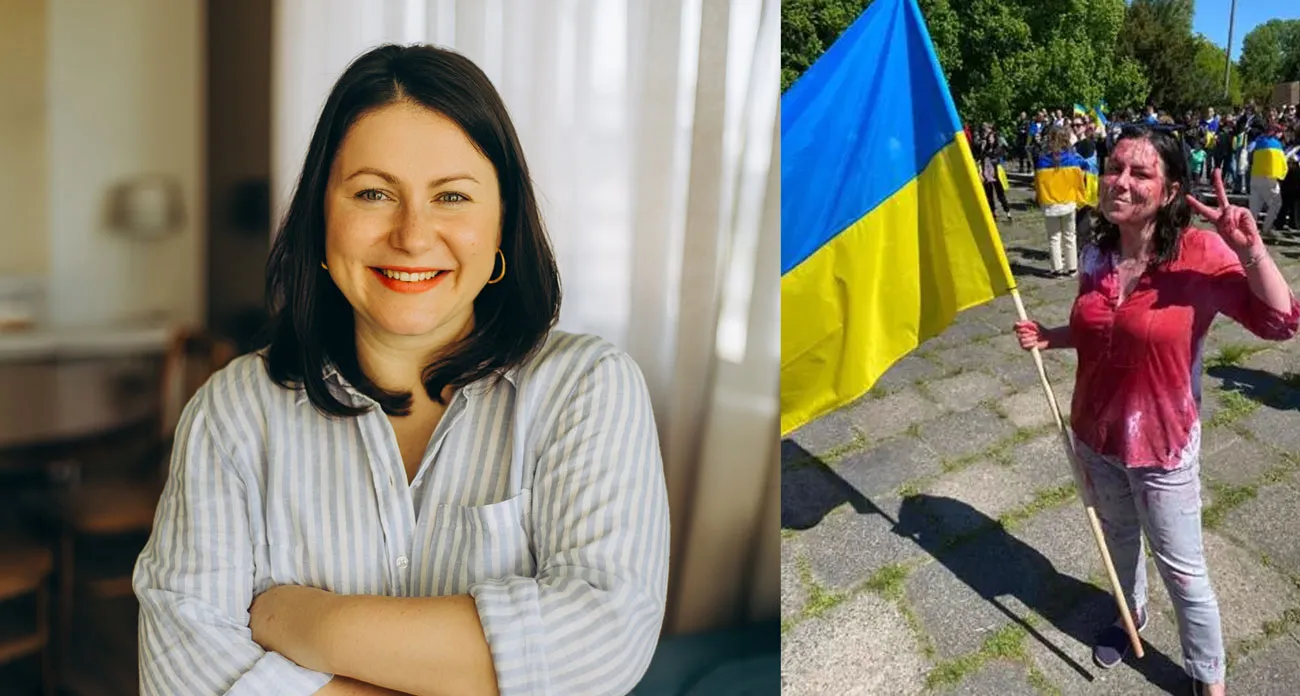
April 02, 2026 – Russia/Ukraine –
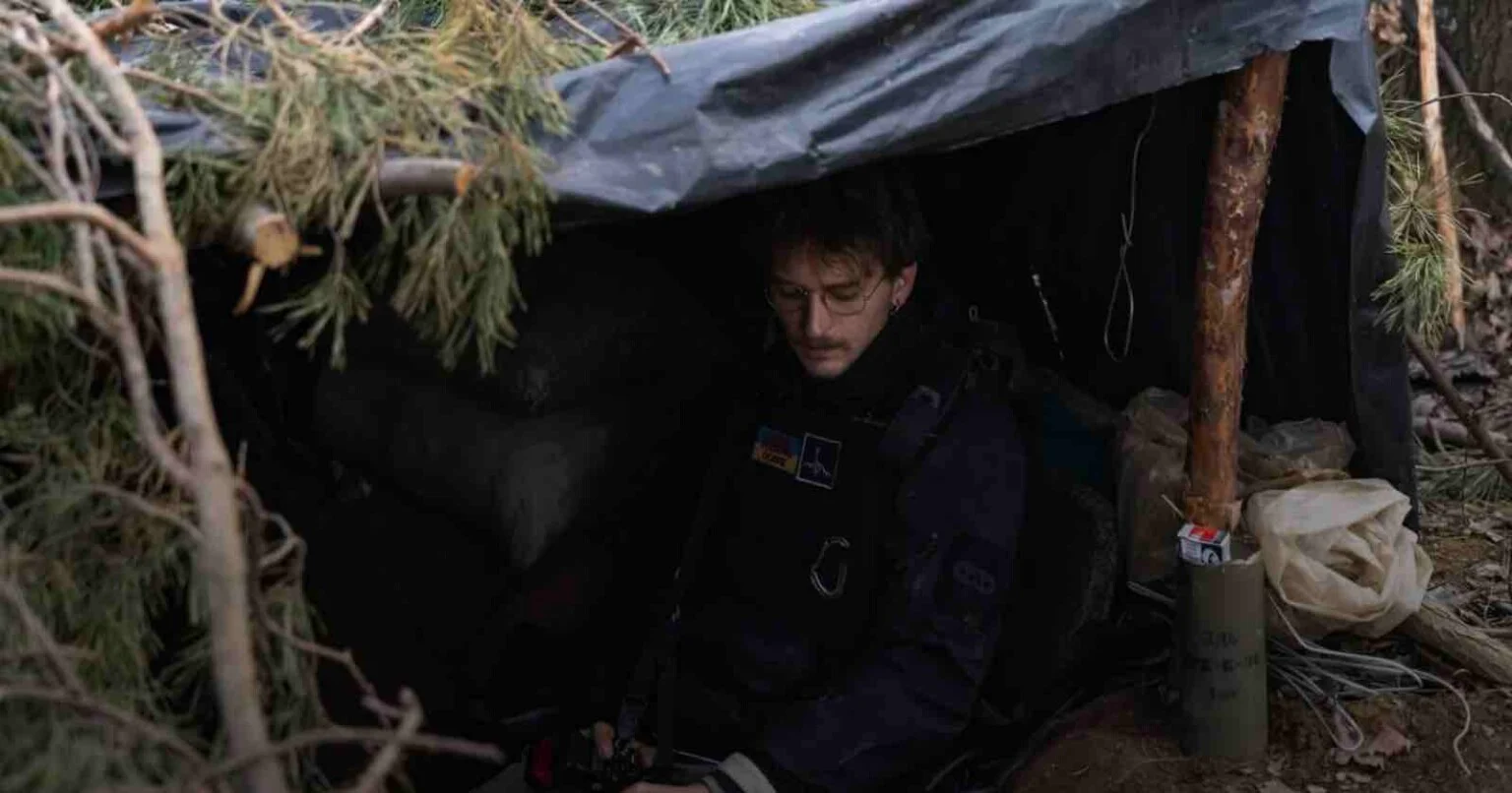
Russian authorities have sentenced Ukrainian journalist Myroslava “Mira” Tsukanova to 13 years in prison in absentia on charges widely condemned by press freedom advocates as politically motivated and emblematic of Moscow’s broader crackdown on dissenting voices. The sentence also includes a request for her arrest abroad, a move that rights groups say could further endanger exiled journalists and undermine international legal norms.
Tsukanova, who has been living outside Russia since fleeing the country after the 2022 full‑scale invasion of Ukraine, was convicted by a Russian court in late March on charges of “inciting hatred” and “participation in extremist activity.” The case stems from her 2023 participation in a symbolic protest in Belgorod, where she applied beet juice to her jacket in front of Russian military recruitment offices, an act she described as a peaceful expression of opposition to the war. Russian prosecutors argued that the protest constituted extremism, a characterization that legal experts and Ukrainian NGOs have vehemently rejected.
Following the conviction, Russian authorities issued an international warrant through Interpol, effectively seeking Tsukanova’s arrest in jurisdictions that cooperate with Russian law enforcement. Ukrainian civil society organizations described the move as a dangerous escalation that could put exiled journalists and activists at risk abroad, particularly in countries with strained relations with Kyiv and limited protections for political refugees. They also noted that using anti‑extremism laws to criminalize peaceful protest raises profound concerns about freedom of expression and the manipulation of legal systems to suppress dissent.
Tsukanova has continued her work as a journalist covering war, human rights, and resistance movements from exile, often reporting on the conflict’s impact on civilians and the broader struggle for Ukrainian sovereignty. Her reporting has drawn both praise from human rights advocates and fierce criticism from Russian state media, which frames her work as hostile and subversive. The sentencing has therefore been interpreted by observers as retaliation for her journalism rather than a legitimate criminal prosecution.
International press freedom groups have called for the sentence to be condemned and for protective measures to be put in place for exiled journalists who might be targeted under similar charges. They argue that the case sets a worrying precedent for the extraterritorial use of criminal law to punish peaceful expression and erode the safety of journalists working across borders.
For Ukrainian media and rights advocates, the ruling underscores the persistent threats facing independent journalists connected to the conflict—whether inside war zones, in exile, or covering politically sensitive subjects that challenge powerful interests. The case has therefore become a flashpoint in the broader struggle over press freedom and political repression in the context of the Russia‑Ukraine war.
Reference –