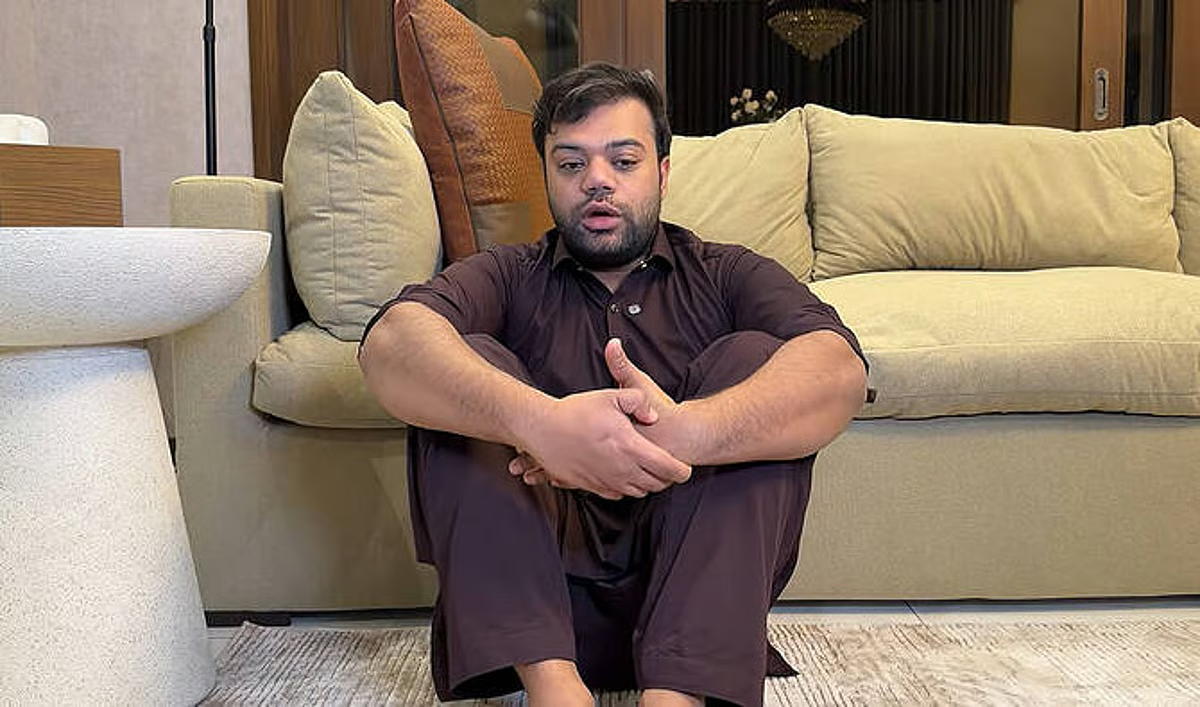
Pakistan’s Press Freedom Crisis and the Use of Cybercrime Laws Against Journalists
December 16, 2025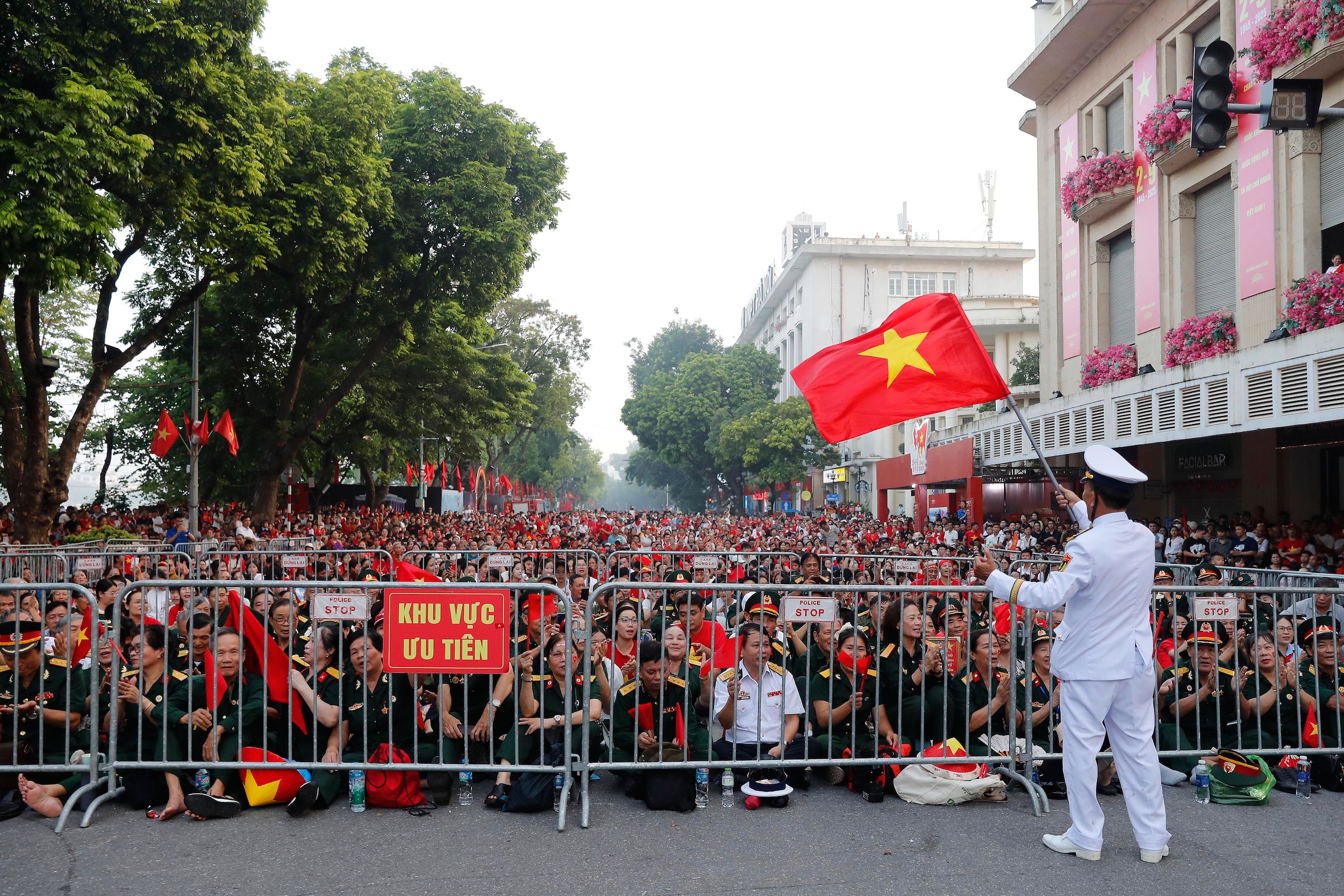
Intimidation, Fear, and Survival – The Struggle of African Journalists Amid Political and Legal Pressures
December 17, 2025
A new report by the United Nations Educational, Scientific, and Cultural Organization (UNESCO) reveals a significant and accelerating global decline in freedom of expression and the safety of journalists. The findings, drawn from UNESCO’s World Trends in Freedom of Expression and Media Development Report 2022–2025, signal a troubling reversal of press freedoms and raise critical questions about the resilience of information ecosystems worldwide.
Key Findings
Global Freedom of Expression Has Contracted Sharply
UNESCO’s analysis shows that between 2012 and 2024, global freedom of expression decreased by about 10%, a drop comparable to levels seen only during major historical crises such as the world wars and the Cold War. This trend reflects weakened media governance, growing government control, and expanded legal restrictions on speech.
Self-Censorship and Hostile Environments for Journalists
The report highlights a 63% increase in self-censorship among journalists worldwide over the past decade, driven by threats, digital surveillance, legal harassment, and violence. Self-censorship—whether out of fear of legal reprisals, economic consequences, or personal safety—effectively narrows the scope of public discourse and critical reporting.
Rising Threats and Legal Controls
Governments have increasingly used broad and vague legislation — including anti-disinformation, national security, and online speech laws — to curtail media freedom. Authorities in numerous countries have restricted digital expression, censored content, and enacted punitive measures against journalists, contributing to declining press independence.
Economic and Structural Pressures
The report also notes that media independence is undermined by economic fragility and industry consolidation. Financial instability has left many newsrooms vulnerable to political and commercial influence, making journalistic institutions more susceptible to external pressure and less able to pursue investigative reporting.
Implications for Journalists’ Safety
The decline in freedom of expression is accompanied by increasing risks to journalists’ safety. Attacks, arbitrary detentions, and hostile environments persist in conflict zones and repressive states, with both physical and digital threats endangering media workers and their sources. Although the UNESCO report focuses on trends rather than specific attack data, related UNESCO observatories and allied research indicate that many journalists are injured or killed annually, often with high levels of impunity.
Drivers of Erosion
UNESCO links the downward trend in freedom of expression and media safety to several structural forces:
- Political repression and authoritarian strengthening
- Legal restrictions that criminalize speech and journalism
- Digital surveillance and misuse of technology to target journalists
- Economic pressures are weakening independent media institutions
- Polarized public discourse and declining trust in institutions
Conclusions and Recommendations
The UNESCO report underscores that the erosion of media freedom is a multifaceted phenomenon with profound implications for democracy, accountability, and civic participation. Press freedom does not operate in isolation — it is shaped by legal, economic, technological, and political dynamics. The findings suggest the need for:
- Stronger legal protections for journalists and media workers
- International cooperation to safeguard digital and offline expression
- Support mechanisms for independent media financially and institutionally
- Policies to address self-censorship and protect critical reporting
In conclusion, the UNESCO research highlights a global press-freedom landscape under strain, where declining protections and rising risks converge to weaken the fundamental right to freedom of expression and the safety of those who report the truth.
Reference –