
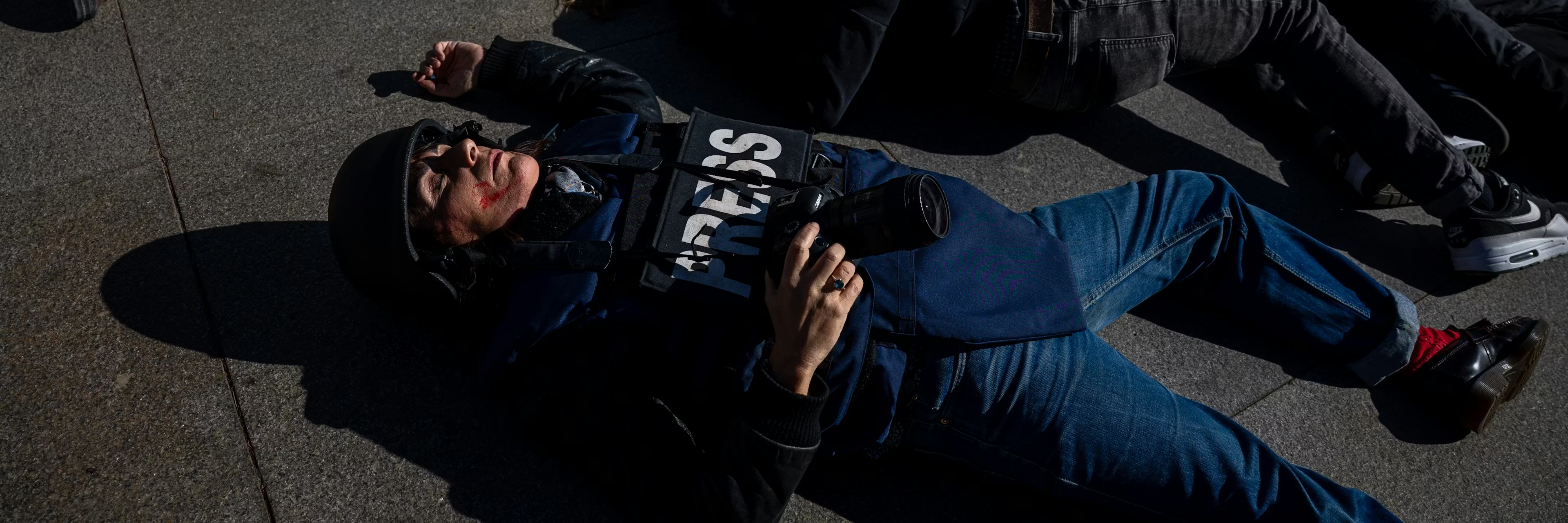
The Enduring Power of Journalism in a World of More Media and Less Freedom
December 22, 2025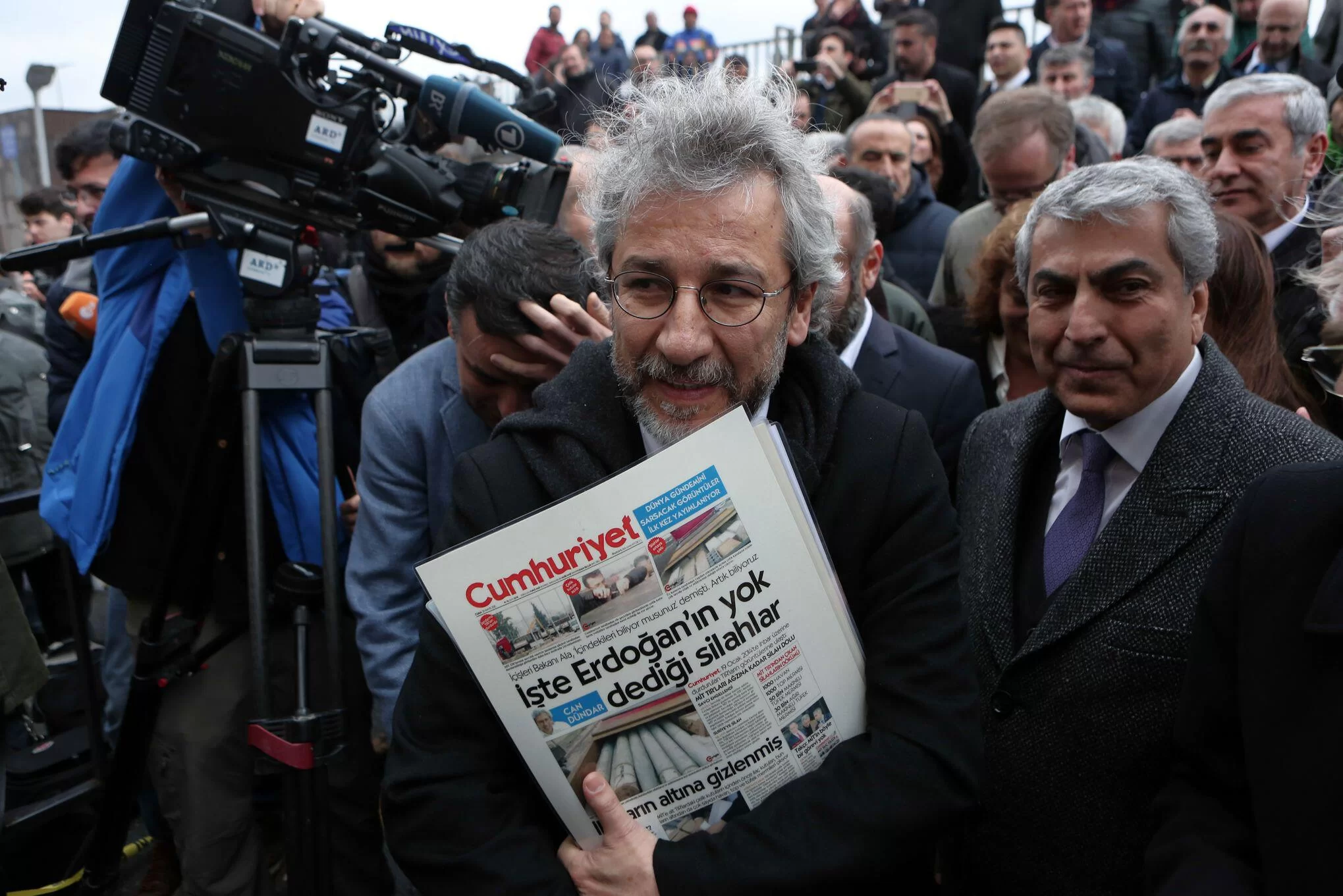
Can Dündar: The Turkish Journalist Who Met His Killer — A Case Study in Press Freedom and Exile
December 25, 2025
This research-oriented analysis examines the press freedom crisis in Russia, using the two-year imprisonment of journalist Nika Novak as a case study. Novak’s experience highlights systemic repression of independent media under the Kremlin, revealing patterns of harsh treatment, legal constraints, and diminished transparency that reflect broader suppression of journalism in Russia since the full-scale invasion of Ukraine.
Introduction
Press freedom in Russia has deteriorated sharply in recent years, particularly following the escalation of the conflict in February 2022. Laws penalising “false information” about the military, aggressive enforcement actions, and expanded definitions of prohibited speech have created an environment where journalism is increasingly criminalised. Novak’s detention under charges related to her work for Radio Free Europe/Radio Liberty’s Russian service (Radio Svoboda) illustrates how legal mechanisms are used to curtail independent reporting.
Case Overview: Nika Novak
Novak, 33, was detained in December 2023 and sentenced under legislation critics regard as overly broad and repressive. She is serving a four-year sentence in Penal Colony No. 11 in the Russian region of Irkutsk, a facility described by human rights advocates as having harsh conditions with limited transparency. At one point during late 2025, she was reported missing within the prison system for over a week, raising alarm among advocates due to Russia’s opaque penal processes, before authorities later confirmed her continued detention.
Conditions and Treatment
Novak’s imprisonment during the past two years exemplifies the punitive conditions faced by journalists targeted under Russia’s press crackdown. She has reportedly experienced solitary confinement, cohabitation with aggressive inmates, and episodes that led her to stage a hunger strike. Advocacy groups have pointed to these hardships as indicative of a broader strategy to deter independent reporting.
Context of Repression
Novak’s case occurs amid an expanded crackdown on media and civil society. Since 2022, Russian authorities have passed laws imposing prison sentences for “fake news” related to the military and have labelled critical journalists and outlets as “foreign agents,” chilling independent journalism. Observers note that numerous journalists have been detained, prosecuted, or forced into exile, contributing to a press environment fraught with legal risk and censorship. (turn0search43) Cases such as the prolonged detentions of journalists like Novak and others highlighted in international monitoring reports underscore the trend of leveraging penal codes to stifle dissent and independent reporting.
Implications for Press Freedom
The Novak case underscores broader threats to press freedom in Russia, where judicial actions, punitive legislation, and penal practices collectively discourage critical journalism. Experts argue that the chilling effect extends beyond incarcerated individuals to those still operating within Russia, encouraging self-censorship to avoid legal repercussions. The opacity of prison procedures further exacerbates human rights concerns, making judicial oversight and international scrutiny more difficult.
Conclusion
Nika Novak’s two years in detention offer a stark illustration of how the Kremlin’s press crackdown operates in practice: through punitive legal measures, harsh prison conditions, and limited transparency. Her experience reflects a broader pattern of repression that has significantly constrained independent journalism in Russia, raising alarms among international media freedom advocates about the future of free expression under authoritarian pressure
Reference –