
The Deadly Reality of Journalism in 2025
January 22, 2026
Climate and Environmental Journalism in Africa — Mapping Challenges, Risks and Strategic Support
January 25, 2026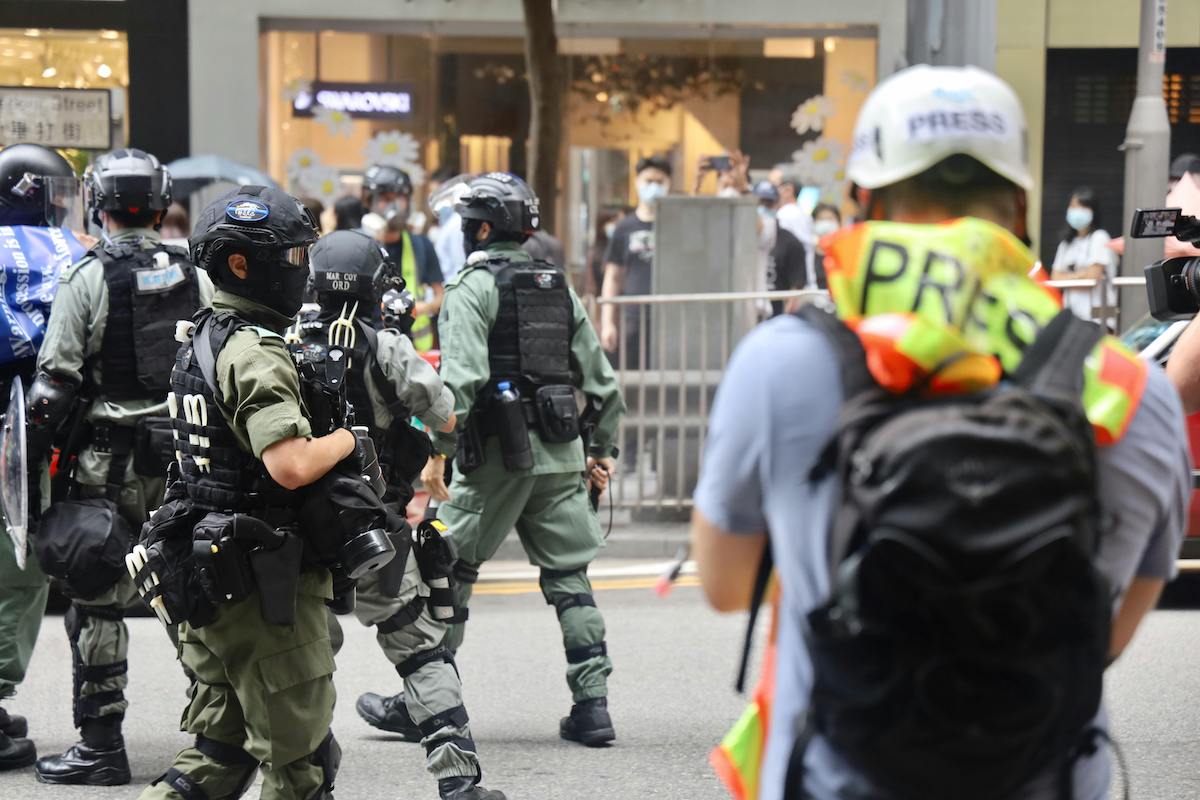
Journalists covering protests and civil unrest face a complex landscape of physical, legal, and situational risks that can compromise both their safety and their ability to report accurately. Protests, while often peaceful, can quickly escalate into hostile environments due to clashes between demonstrators and authorities, crowd dynamics, and the actions of law enforcement. This necessitates a structured approach to safety planning for media professionals.
Risk Environment and Context
Protests present dynamic conditions that can shift without warning. Reports from recent civil unrest — including incidents in the United States where journalists were hit by rubber bullets, tear gas, and other “less-lethal” crowd control measures — highlight how reporters can be unintentionally harmed or targeted while performing their duties. In several documented cases, law enforcement actions have led to physical assaults, injuries, and detentions of journalists, often prompting legal challenges and calls for improved protections.
These risks apply across different contexts: authoritative crackdowns, spontaneous confrontations, or environments where journalists are perceived by either side as biased or intrusive. The cumulative evidence suggests that situational awareness and pre-planning are essential components of responsible protest coverage.
Pre-Assignment Preparation
A core recommendation for journalists is to conduct a risk assessment before any protest assignment. This includes understanding the objectives of the protest, the groups involved, the potential for escalation, and the likely presence and tactics of law enforcement. Journalists should research the legal rights and restrictions that apply to press activity in the jurisdiction where they plan to work, including local regulations on public assembly and recording.
Communication planning is another vital element. Journalists should establish reliable means of contact with editors and colleagues, and prepare contingency plans — including designated safe meeting points and alternate exit routes — in case conditions deteriorate. This preparation extends to digital readiness, as protests often coincide with connectivity disruptions or surveillance concerns.
On-Site Tactics and Situational Awareness
Field safety guidance emphasizes maintaining positional awareness and avoiding being surrounded or boxed in by crowds or police lines. Veteran journalists recommend positioning oneself on the periphery of protests when possible, which increases options for rapid withdrawal if violence breaks out. This principle helps reporters minimize their exposure to harm while still observing and documenting events.
Working in pairs or teams enhances safety, as one team member can monitor surroundings while another focuses on reporting or photography. This approach supports continuous situational assessment, helping journalists remain alert to shifting dynamics and potential threats.
Safety Equipment and Identification
Personal protective equipment — such as helmets, eye protection, and sturdy footwear — can mitigate the risk of injury from projectiles or crowd movement. Journalists should also carry visible press credentials and wear clearly identifiable press gear, though they should balance visibility with the understanding that prominent identification may not always provide protection and can, in some contexts, attract unwanted attention.
Digital devices essential to modern reporting (phones, cameras, audio recorders) must be secured and backed up, as these can be damaged or confiscated in chaotic environments. Journalists should have redundant means of recording and transmitting information, as well as secure channels to protect source confidentiality and reportage integrity.
Legal Preparedness and Rights Knowledge
Awareness of legal protections and limitations is crucial. Journalists should understand their rights regarding recording and publishing, especially when it comes to interactions with law enforcement and private security. Familiarity with how to de-escalate confrontations with authorities, including knowing when to identify oneself and assert rights calmly, can reduce the likelihood of arrest or harassment.
Conclusion
Protests will likely remain essential arenas for journalistic coverage due to their role in political expression and public mobilisation. However, the evolving nature of civil unrest and the documented instances of violence and hostility toward journalists demand a comprehensive safety strategy that combines risk assessment, tactical awareness, protective equipment, and legal knowledge. By integrating these practices into coverage plans, journalists can better safeguard themselves while fulfilling their critical role in documenting public events and holding power to account.
Reference –
https://healthjournalism.org/blog/2026/01/how-journalists-can-stay-safe-covering-protests/