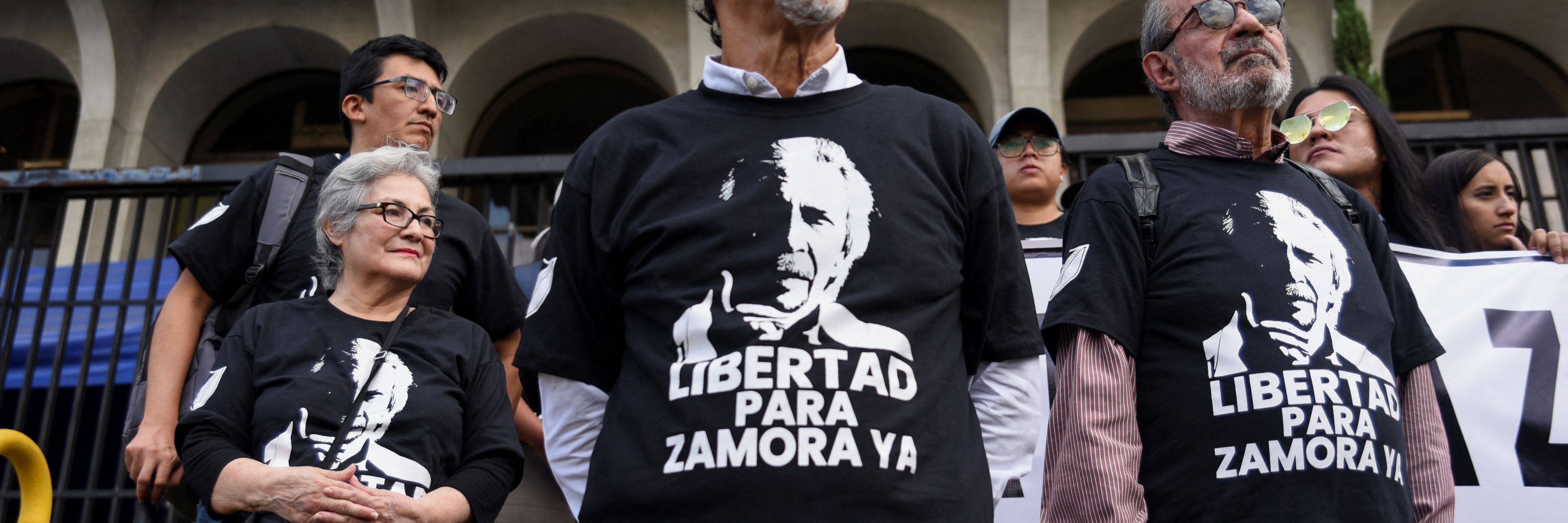
Global Report Shows Journalist Jailings “Stubbornly High” in 2025 With Pervasive Harsh Prison Conditions
January 25, 2026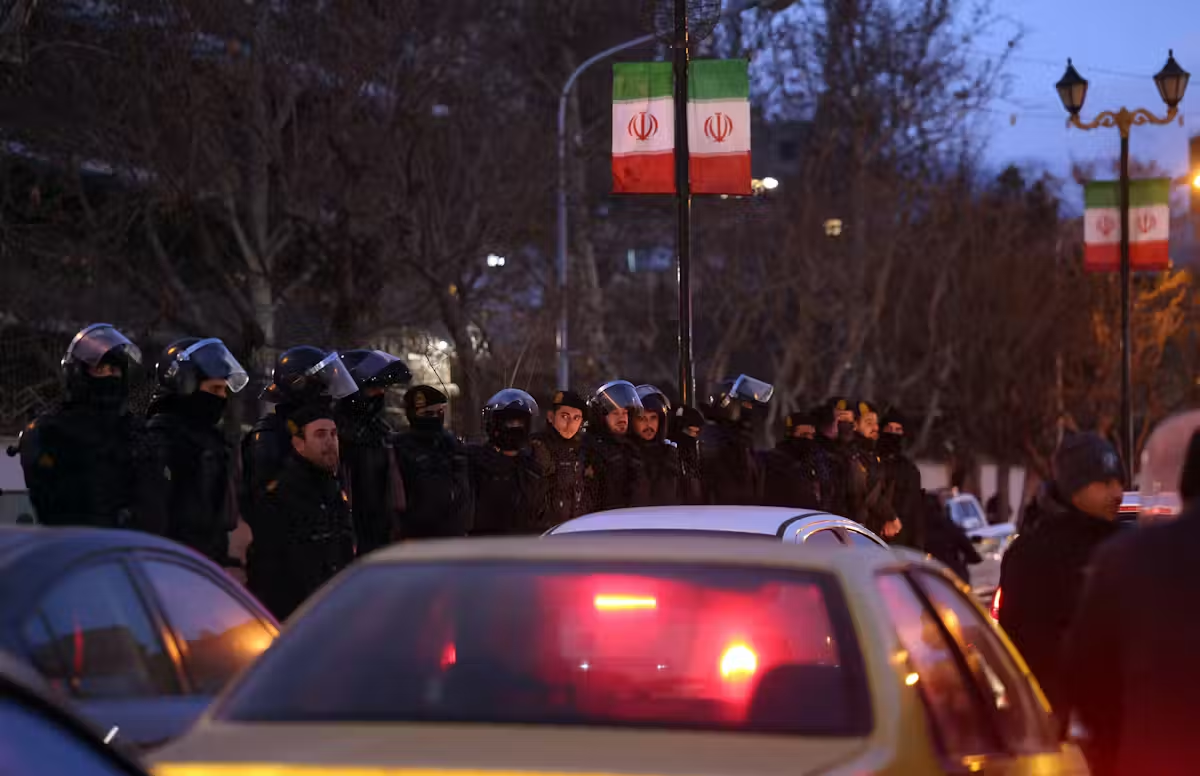
Challenges Faced by Journalists Covering Iran’s 2025–26 Protests: A Research-Oriented Analysis
February 1, 2026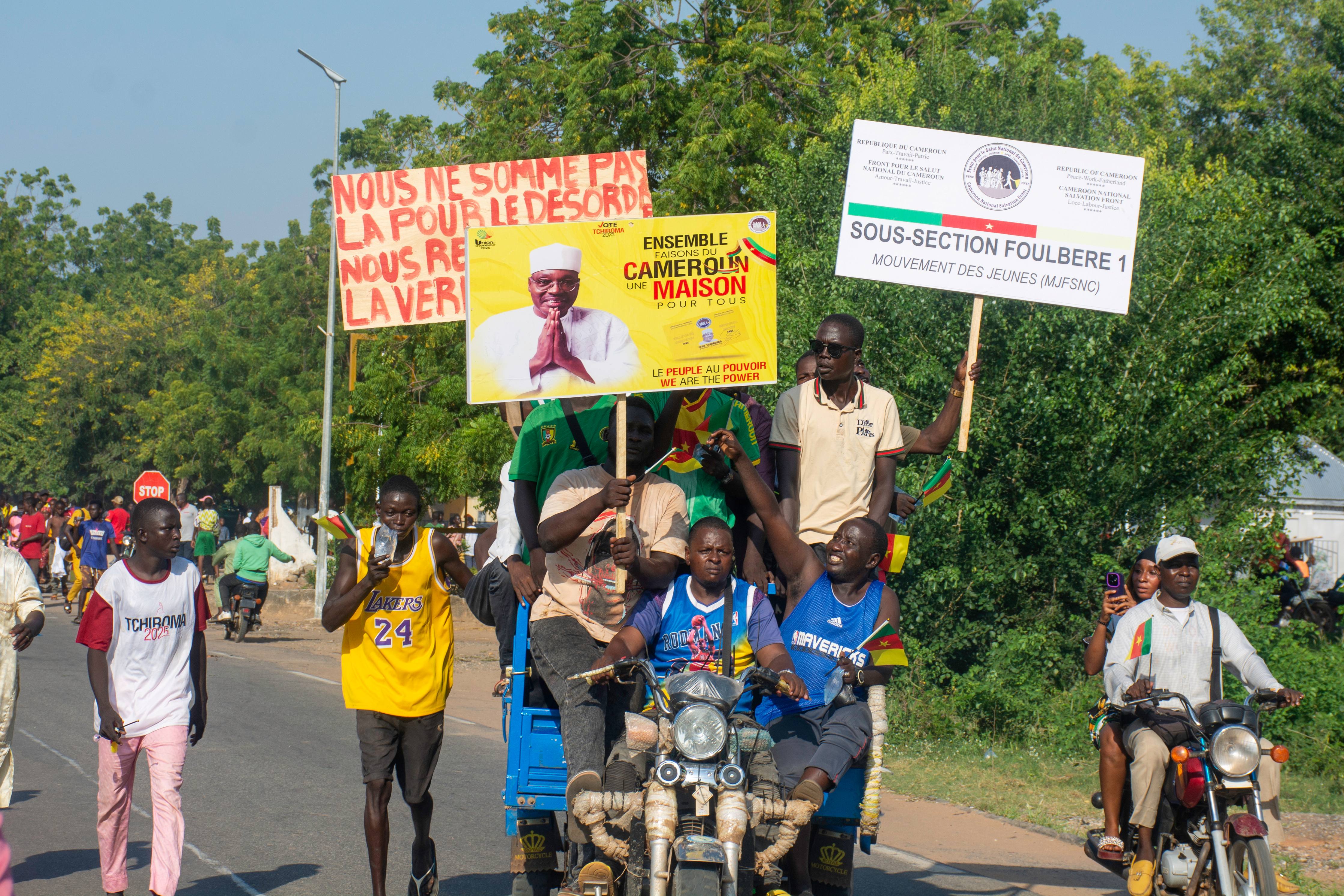
The 2025 presidential election in Cameroon exposed severe constraints on press freedom, illustrating how political power can systematically suppress independent journalism and distort public discourse. The analysis draws on field reporting and interviews to demonstrate key mechanisms through which media freedom was eroded during the electoral cycle, highlighting implications for democratic processes in similar environments.
Context and Regulatory Environment
Cameroon’s electoral context was characterised by a backdrop of entrenched executive authority and limited institutional protections for journalistic practice. Although the nation hosted more than 600 newspapers, 200 radio stations, and over 60 television channels, these outlets operated within a legal and regulatory framework that enabled significant government intervention. Accreditation requirements mandated by both the Ministry of Communication and the National Elections Authority restricted who could report on electoral proceedings, creating barriers to independent coverage and effectively privileging state-aligned media.
Incidents of Intimidation and Silencing
One stark illustration of press repression was the detention of an 18-year-old reporter who was arrested at the Constitutional Council hearing in August 2025. Although she was released after 24 hours due to professional pressure, the incident signalled a broader strategy of deterrence. Restrictions imposed by the National Communication Council included bans on televised and radio political debates during peak campaign periods, effectively narrowing the range of public discourse and curtailing citizens’ access to critical political information.
These restrictions were enforced against a media landscape already polarised along political lines, with some outlets explicitly aligned with particular political factions, exacerbating mistrust and reducing journalistic cohesion. This fragmentation, combined with legal constraints on reporting topics such as the incumbent president’s health, suppressed open inquiry and diminished the capacity of journalists to serve as watchdogs during an election central to Cameroonian governance.
Digital Manipulation and Polarisation
Social media played a dual role; although it offered an alternative platform for information dissemination, it also became a vector for misinformation and tribal hostility, undermining the integrity of public dialogue. Premature claims of electoral outcomes by bloggers illustrated how digital spaces could be manipulated to shape perceptions in advance of official results, posing further challenges for fact-based reporting.
Implications for Press Freedom and Democratic Accountability
The case of Cameroon’s 2025 election underscores how regulatory controls, individual intimidation, and digital misinformation collectively compromise media independence and the democratic function of the press. These dynamics not only silence dissenting voices but also weaken public trust in both political systems and journalistic institutions. The Cameroonian experience offers a critical case study on the fragility of press freedom in contexts where political expediency overrides legal protections for free expression.
This research-oriented summary highlights structural, operational, and normative obstacles faced by journalists in election contexts where state power is leveraged to suppress independent reporting, restricting the press’s role as a guardian of transparent democratic processes.
Reference –