Research

Ethiopian Journalists Trapped Between Violence, Political Pressure, and Censorship
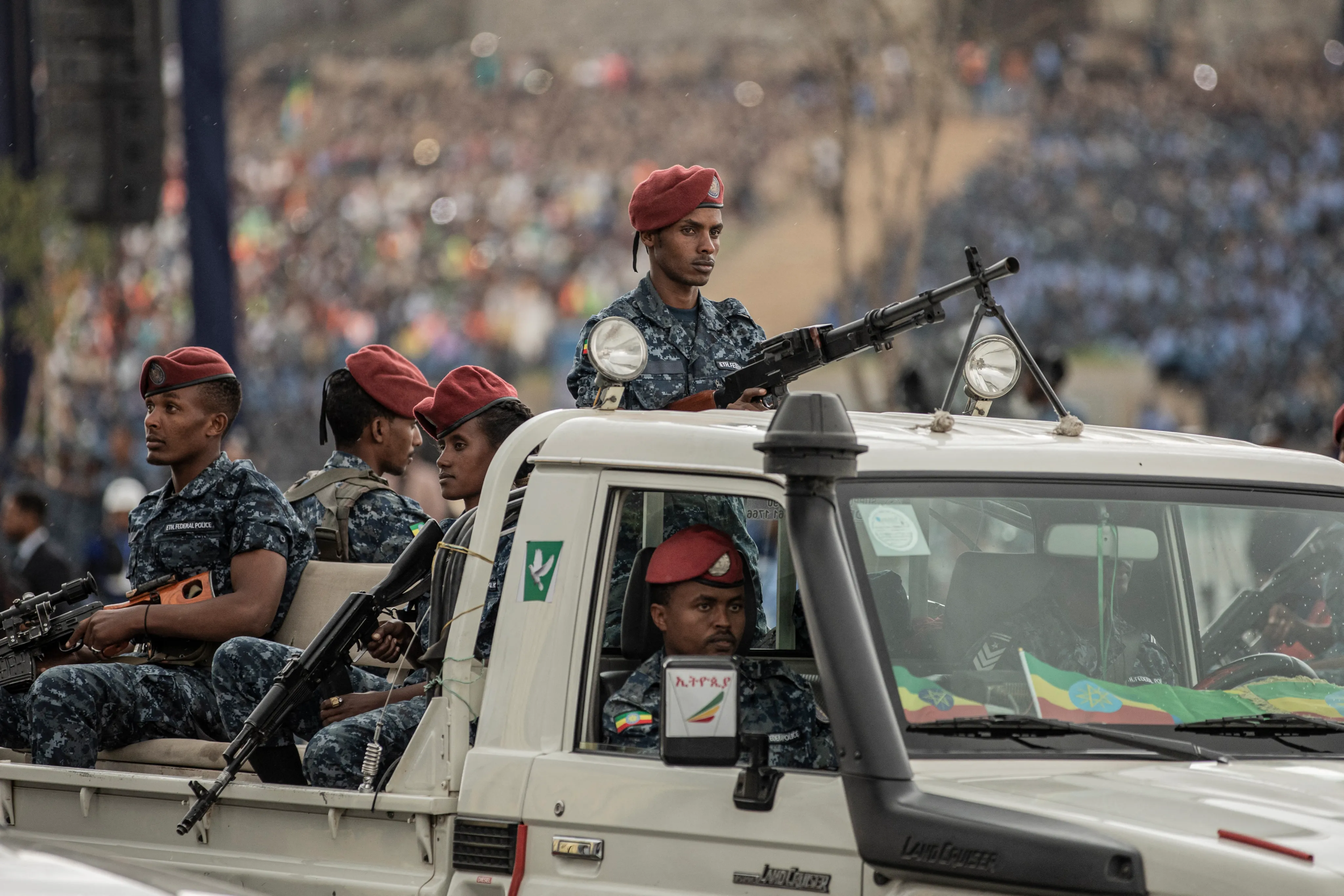
In August, 2025, Addis Standard published a study highlighting the grave dangers facing journalists in Ethiopia, who are increasingly caught between severe safety threats, political pressure, and ethical dilemmas. The report details how reporters working across the country are vulnerable to harassment, surveillance, and arbitrary detention, while also being forced to navigate partisan narratives and restrictive government policies that stifle independent reporting. The study underscores that Ethiopia remains one of the most challenging environments for journalists in Africa. Since the outbreak of civil conflict, the country has witnessed escalating hostility toward the press, with both...
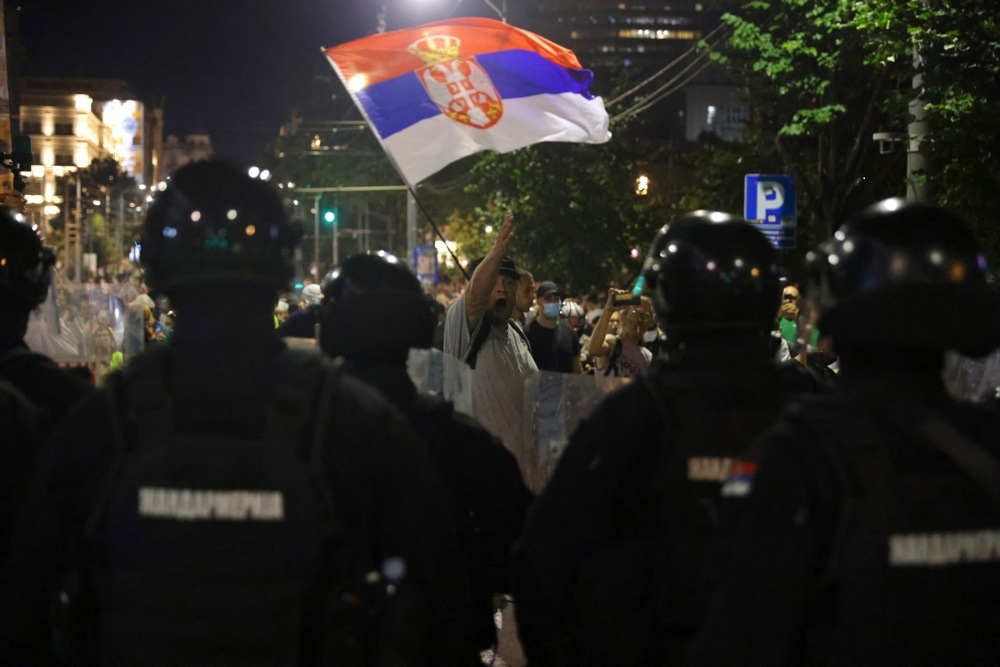
Serbia Sees Surge in Attacks on Journalists During Anti-Government Protests
As Serbia grapples with growing political unrest, journalists have increasingly become targets of hostility and violence, marking a historic low for press freedom in the country, according to the International Press Institute (IPI). Since early 2025, there has been a surge in attacks on media workers across Serbia, especially during anti-government protests catalysed by the deadly collapse of a train station canopy in Novi Sad in November 2024. IPI documents more than 123 incidents since the start of the year, including 15 physical assaults, 71 acts of intimidation, and 34 verbal threats. Many of these...
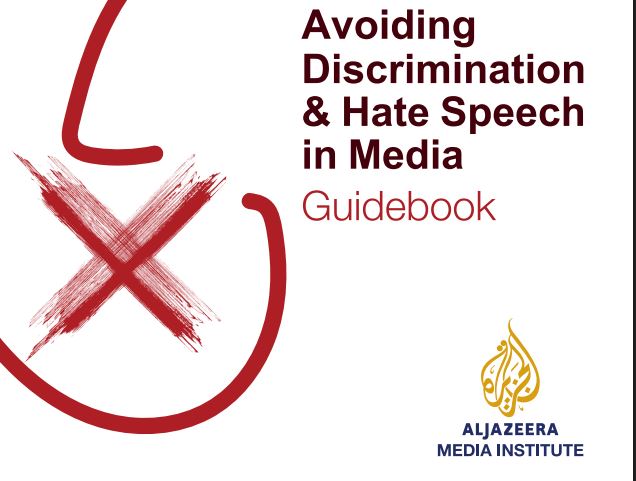
Avoiding Discrimination & Hate Speech in Media
Some media outlets take a biased approach in their coverage of events. This presents a professional and moral dilemma, especially if this leads to negative framing of communities or individuals that may damage their public image. Often, this bias becomes a form of discrimination or incitement to hatred, increasing the possibility that these communities or individuals may be exposed to violence.1 This guidebook introduces professional practices and legal boundaries to help journalists avoid being discriminatory, inciting hatred, or promoting racial discrimination in their pieces by providing them with the necessary tools and encouraging them to...
The Legal Pursuit for Justice: HRF and PCHR Take Anas al-Sharif’s Killing to the ICC
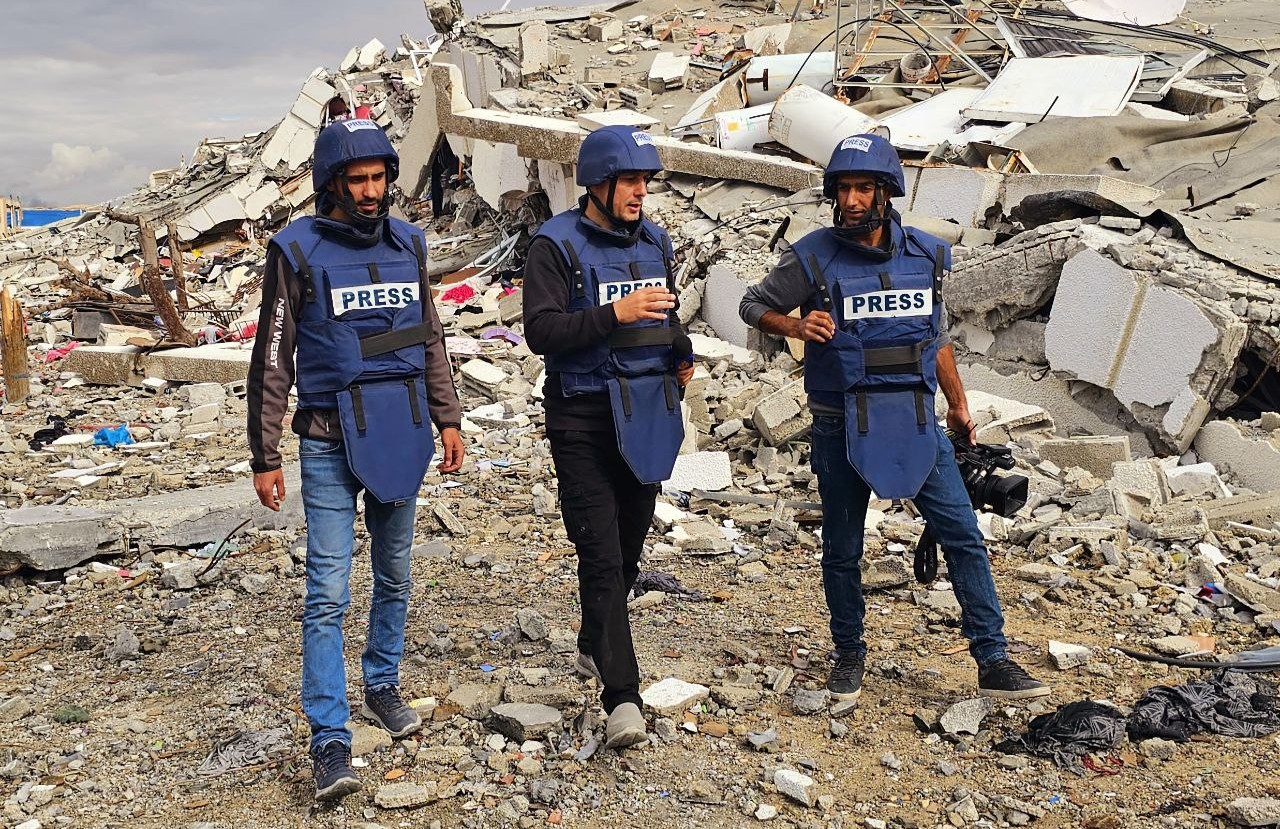
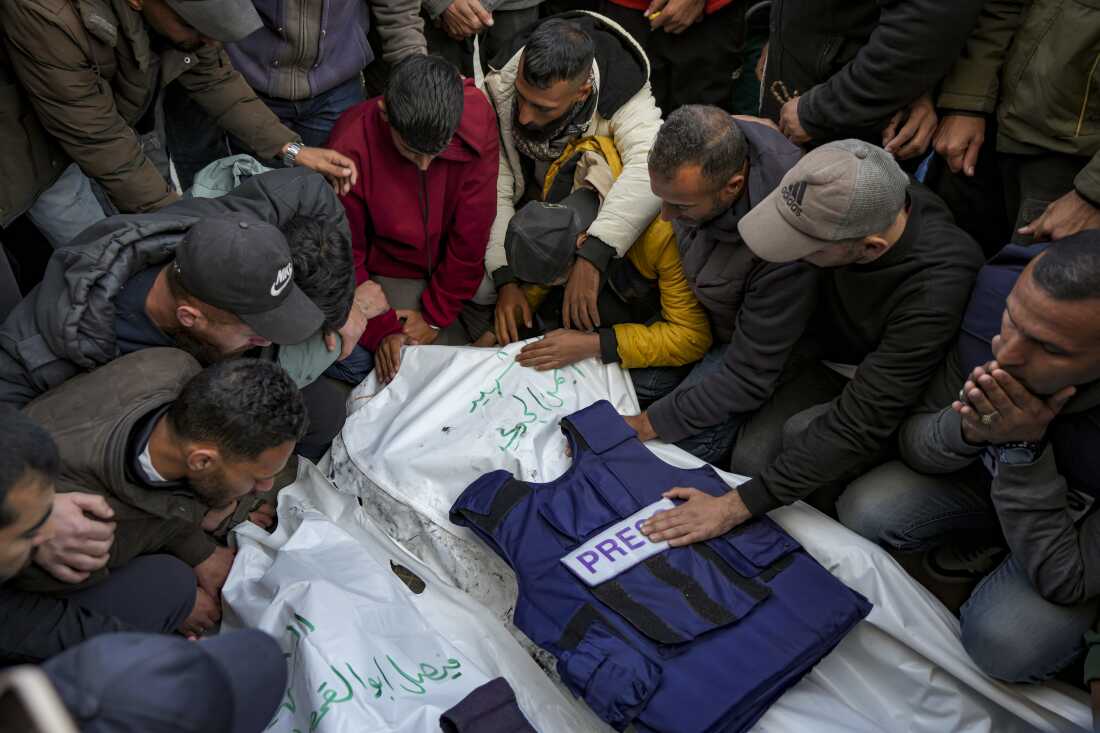
On August 10, 2025, an Israeli airstrike struck a media tent outside Al-Shifa Hospital in Gaza City, killing Al Jazeera Arabic correspondent Anas al-Sharif along with colleagues Mohammed Qreiqeh, Ibrahim Zaher, Mohammed Noufal, and Moamen Aliwa, as well as Mohammed al-Khaldi from Sahat Media Platform and a civilian, Saad Jundiya. The tent had been a key base for frontline reporting, and its destruction has been widely condemned by media and human rights organizations as a deliberate attack on journalists. In response, the Hind Rajab Foundation (HRF) and the Palestinian Centre for Human Rights (PCHR) have...
Violence Targets 496 Journalists in Bangladesh Over Past Year
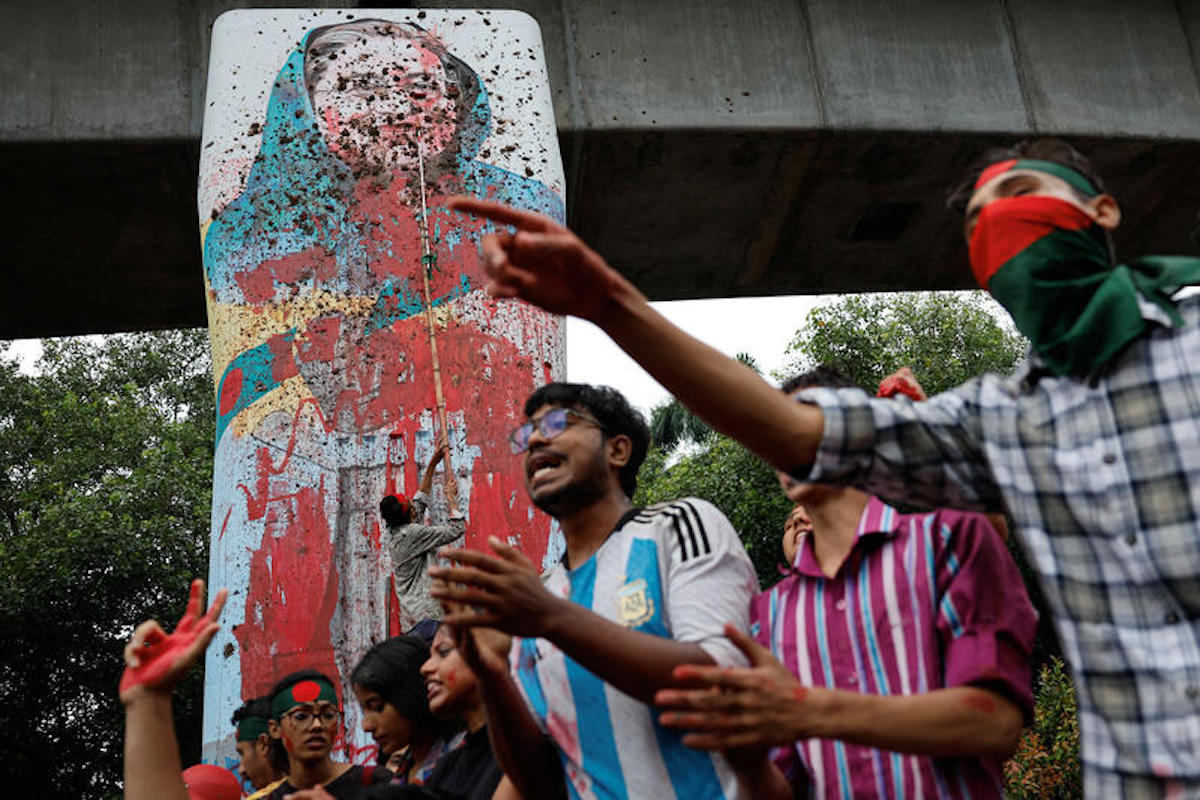
The article reports a troubling escalation in violence against journalists over the past year. According to data from the Transparency International Bangladesh (TIB), from August 2024 to July 2025, 496 journalists were subjected to harassment. This includes online threats, physical intimidation, and legal pressure designed to curtail press freedom and suppress independent reporting. This surge in threats and harassment reflects a deepening crisis for journalists operating in a hostile environment. The range of abuses—spanning verbal intimidation, cyberbullying, and punitive legal actions—serves to compromise journalists' ability to report freely and safely. The article underscores how these...
Journalist Attacks in Bangladesh Surge by 230 Percent Under Interim Government
Bangladesh has seen a staggering 230% rise in attacks on journalists since the formation of its interim government in January 2024, according to a new report by the Centre for Governance Studies (CGS). The rights body documented at least 878 journalists targeted between January 2024 and July 2025, painting a grim picture of the country’s press freedom environment during a period of political transition. Of the total cases recorded, a significant 285 involved attacks on journalists reporting from the field. Another 220 cases were tied to the repression of critical social media content. Alarmingly, 123...
Exile Without Escape: How Online Abuse Silences Central America’s Women Journalists
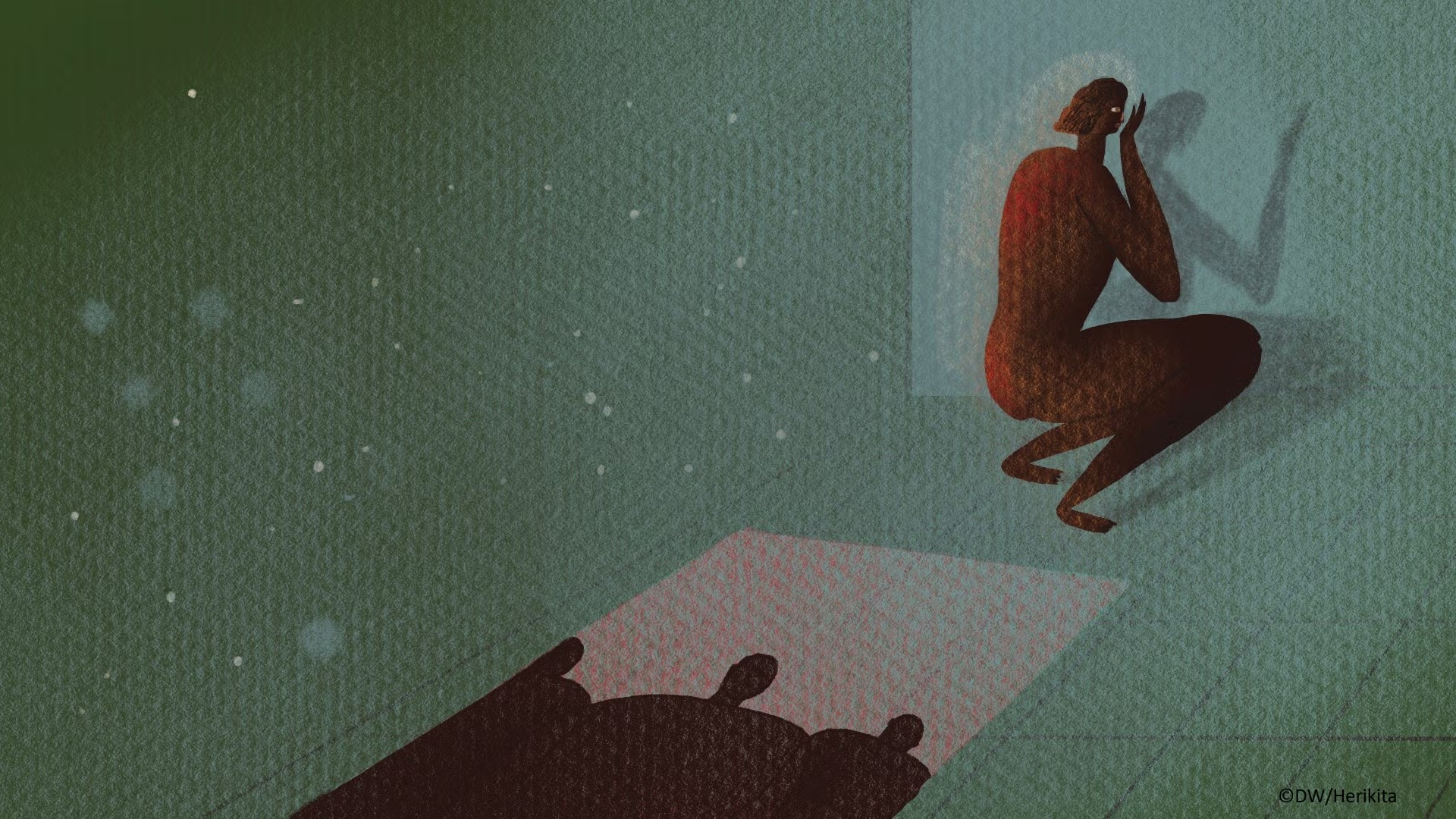
In an alarming pattern revealed by LatAm Journalism Review, women journalists from Central America continue to face vicious and gendered online assaults, even while in exile. Despite leaving their home countries, these professionals endure targeted campaigns of hatred that undermine both their safety and credibility in digital spaces. One journalist, forced into exile due to threats against her daughters, explained that the abuse persisted long after relocation. She found professional opportunities severely limited, as hateful rhetoric and smear campaigns followed her to new platforms. Another exile described how spyware, including Pegasus, was used to invade...
International Humanitarian Law and UN Resolutions Safeguarding Journalists in War Zones
Reporters Without Borders (RSF) outlines clear international legal protections for journalists working in armed conflict, grounded in international humanitarian law and reinforced by United Nations resolutions. These protections are primarily established under Article 79 of Additional Protocol I to the Geneva Conventions (1977), which states that journalists on professional assignments in conflict zones must be treated as civilians. They are entitled to full civilian protection as long as they do not take part in hostilities. Under Article 50, paragraph 1 of the Protocol, journalists are also included in the general category of civilians, meaning deliberate...
Julia Loktev’s Documentary My Undesirable Friends: Part I – Last Air in Moscow Chronicles Exile and Resistance
Film director Julia Loktev returns with her highly anticipated documentary My Undesirable Friends: Part I – Last Air in Moscow, offering a deeply personal and timely exploration of exile and activism under authoritarian regimes. The film premiered in limited release this summer and has already garnered attention for its unflinching look at life under surveillance in contemporary Russia and its impact on dissident communities abroad. The documentary weaves archival footage, interviews and personal stories to reveal the complex reality faced by journalists, artists and activists forced into exile. Viewers are introduced to several expatriates based...
Ukrainian Investigative Journalism at Risk Despite Groundbreaking Revelations
Reporters Without Borders (RSF) has released a powerful call to action, spotlighting ten groundbreaking investigations by Ukrainian media outlets while warning that the country’s independent journalism sector is teetering on the edge of collapse. These investigations, ranging from corruption at the highest levels of government to war crimes committed during Russia’s invasion, have played a vital role in ensuring public accountability and democratic transparency. However, the media outlets behind them are facing increasing threats and severe financial instability. Since Russia's full-scale invasion in February 2022, Ukrainian journalists have endured immense challenges, including physical danger, psychological...
Deliberate Deprivation: How Gaza Was Starved into Crisis
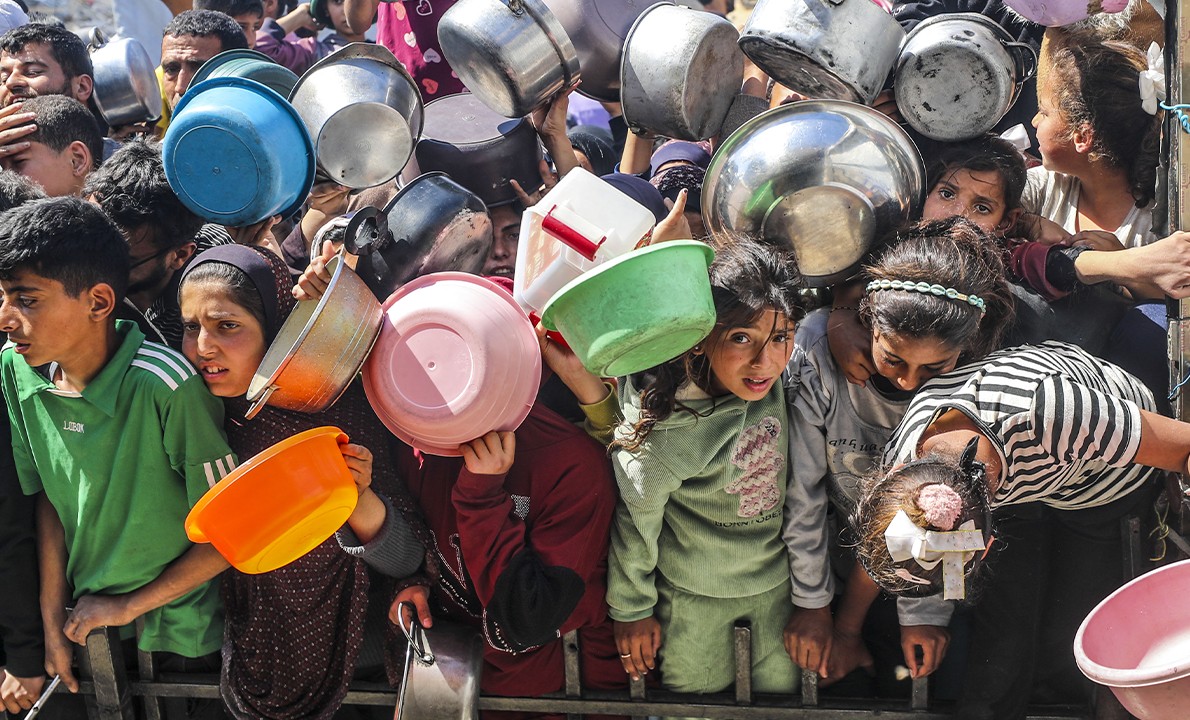
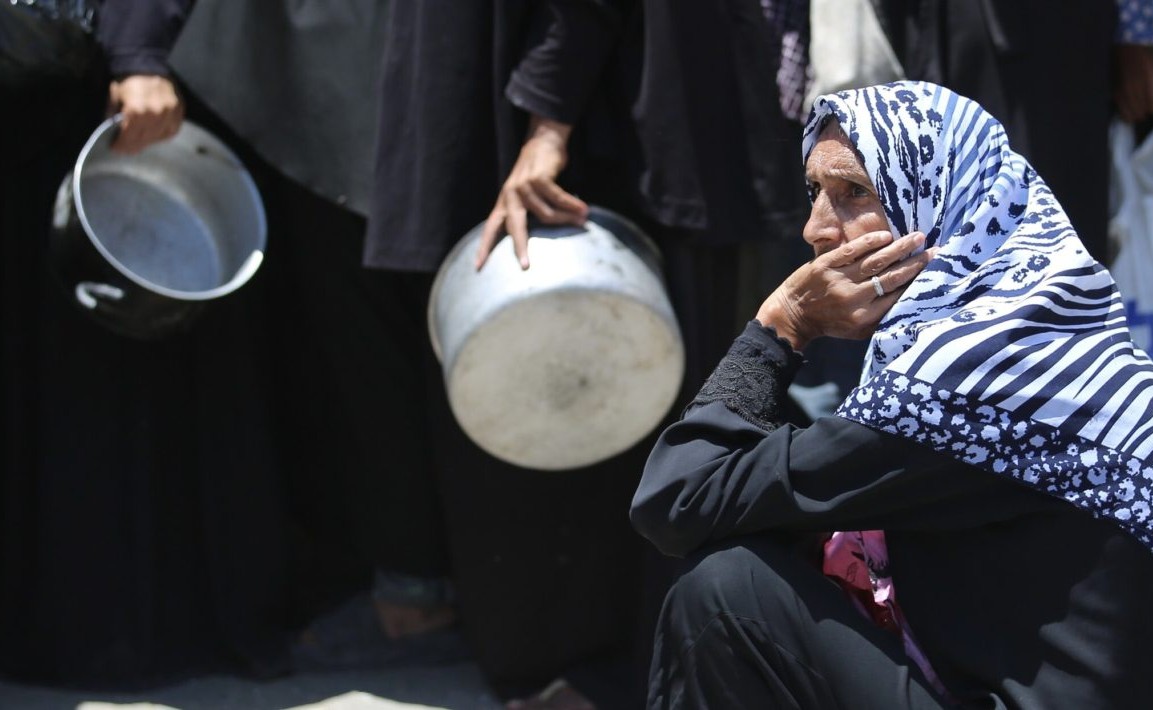
Gaza is facing a catastrophic food crisis, one shaped not by natural disaster but by calculated policies of deprivation. According to the Council on Foreign Relations, the humanitarian situation has sharply deteriorated since early 2025, when Israel intensified its blockade, halting nearly all humanitarian aid for three months. As a result, essential supplies such as food, water, and medicine have nearly vanished, while infrastructure needed to deliver aid has been destroyed or rendered inoperable. Prices for basic items like bread and oil have surged by more than 1,000%, leaving families unable to feed themselves. Food...
Central Asia Faces Mounting Challenges in Media and Free Expression
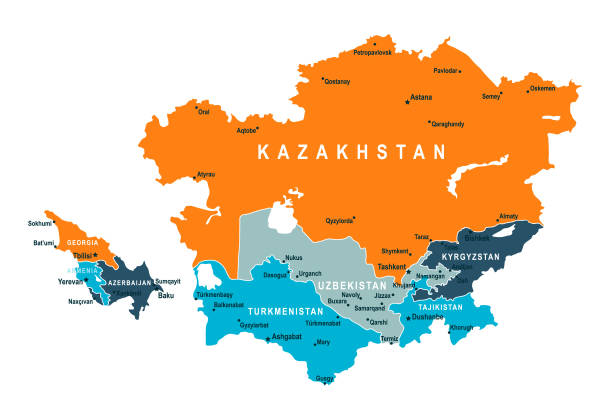
A new report by Radio Free Europe/Radio Liberty reveals growing threats to press freedom and free expression across Central Asia, where governments are tightening control over independent media and silencing critical voices through legal, political, and economic pressure. In countries such as Kazakhstan, Kyrgyzstan, Uzbekistan, Turkmenistan, and Tajikistan, journalists face increasing censorship, surveillance, and intimidation. Authorities are introducing new legislation to control online content, revoke media licenses, and criminalise what they label as "false information." These laws are often vague and open to interpretation, allowing governments to arbitrarily target reporters and outlets that challenge official...
Brazil’s Intelligence Agency Illegally Spied on Journalists Under Bolsonaro, Police Say
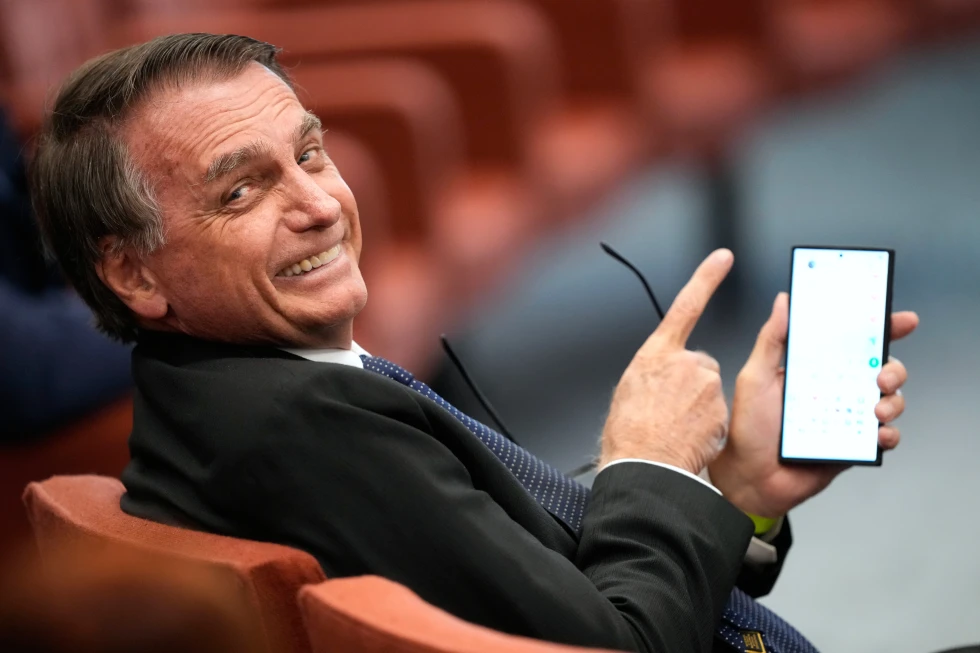
Brazil’s Federal Police have uncovered a sweeping illegal surveillance operation by the country’s intelligence agency, ABIN, during the presidency of Jair Bolsonaro. According to police findings, ABIN used a tracking system called FirstMile to monitor the locations and communications of at least 12 journalists, as well as judges, lawmakers, and civil society members, between 2019 and 2021. Over 60,000 illegal searches were conducted using the software, which was originally acquired to track criminals. Among the journalists targeted were prominent reporters Monica Bergamo and Reinaldo Azevedo. Authorities say the intent was to discredit reporters and gain...
Netanyahu vs. the Israeli Media: A Struggle Over Press Freedom
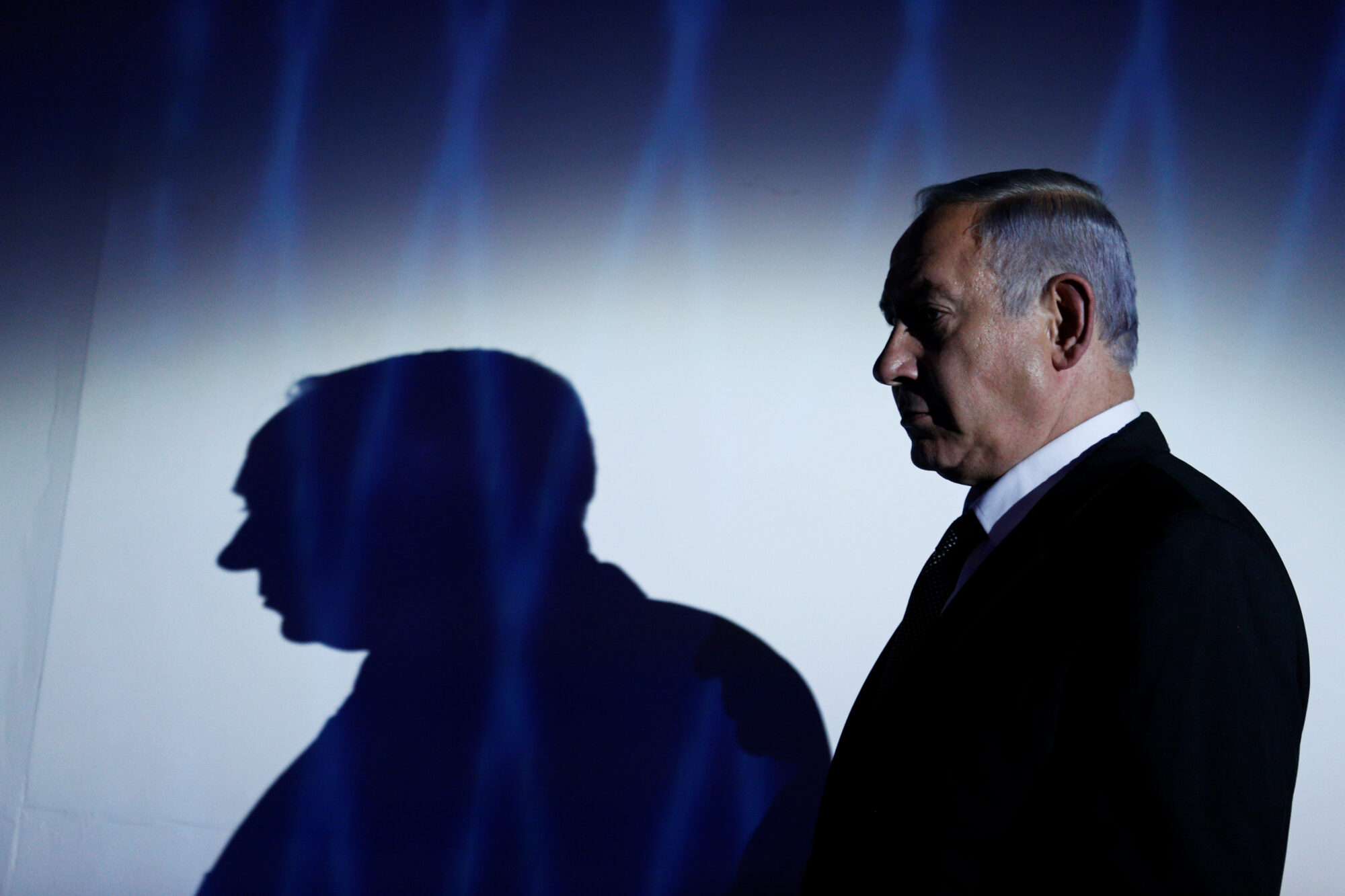
Prime Minister Benjamin Netanyahu’s government is intensifying its efforts to control and suppress critical media voices in Israel, especially amid the ongoing conflict in Gaza. This crackdown marks a significant challenge to press freedom in a country with a long tradition of vibrant journalism. One of the main targets is Haaretz, Israel’s oldest liberal newspaper. The government has imposed a boycott, instructing officials to avoid the outlet and cutting off state advertising revenue. This economic pressure aims to weaken Haaretz’s influence due to its critical stance on Netanyahu’s policies and war management. Foreign media outlets...
Digging Up Justice: American Journalists Reopen Civil Rights-Era Killings
Two investigative journalists have breathed new life into long-dormant civil rights-era murder cases. Independent reporter Ben Greenberg revisited the 1965 killing of John Wesley Wilder in Ruston, Louisiana, initially ruled a justified police shooting, by poring over neglected police and highway patrol archives and uncovering inconsistencies. His findings prompted the FBI to reopen the case. Meanwhile, Sandra Chapman, a reporter with WISH‑TV in Indianapolis, took on the 1968 murder of Carol Jenkins in Martinsville, Indiana. She traced a key witness, Shirley McQueen—the estranged daughter of a suspect—whose detailed recollection and corroborative documents led to the...
UNESCO Handbook Empowers Journalists to Combat Disinformation and Rebuild Trust
UNESCO’s handbook, part of the Global Initiative for Excellence in Journalism Education, provides a comprehensive framework for educators and practicing journalists to address misinformation and disinformation effectively. Drawing from leading experts, it combines theoretical grounding with practical modules, enabling adaptation for individual courses or standalone use. Structured around multiple modules, the guide starts with Truth, Trust, and Journalism, highlighting the value of skepticism over cynicism and equipping journalists to distinguish genuine reporting from deceptive content. It explores how digital transformation and social media have weakened legacy media business models, eroding newsroom resources and public trust....
Latin America Sees Deadliest Year Yet for Journalists
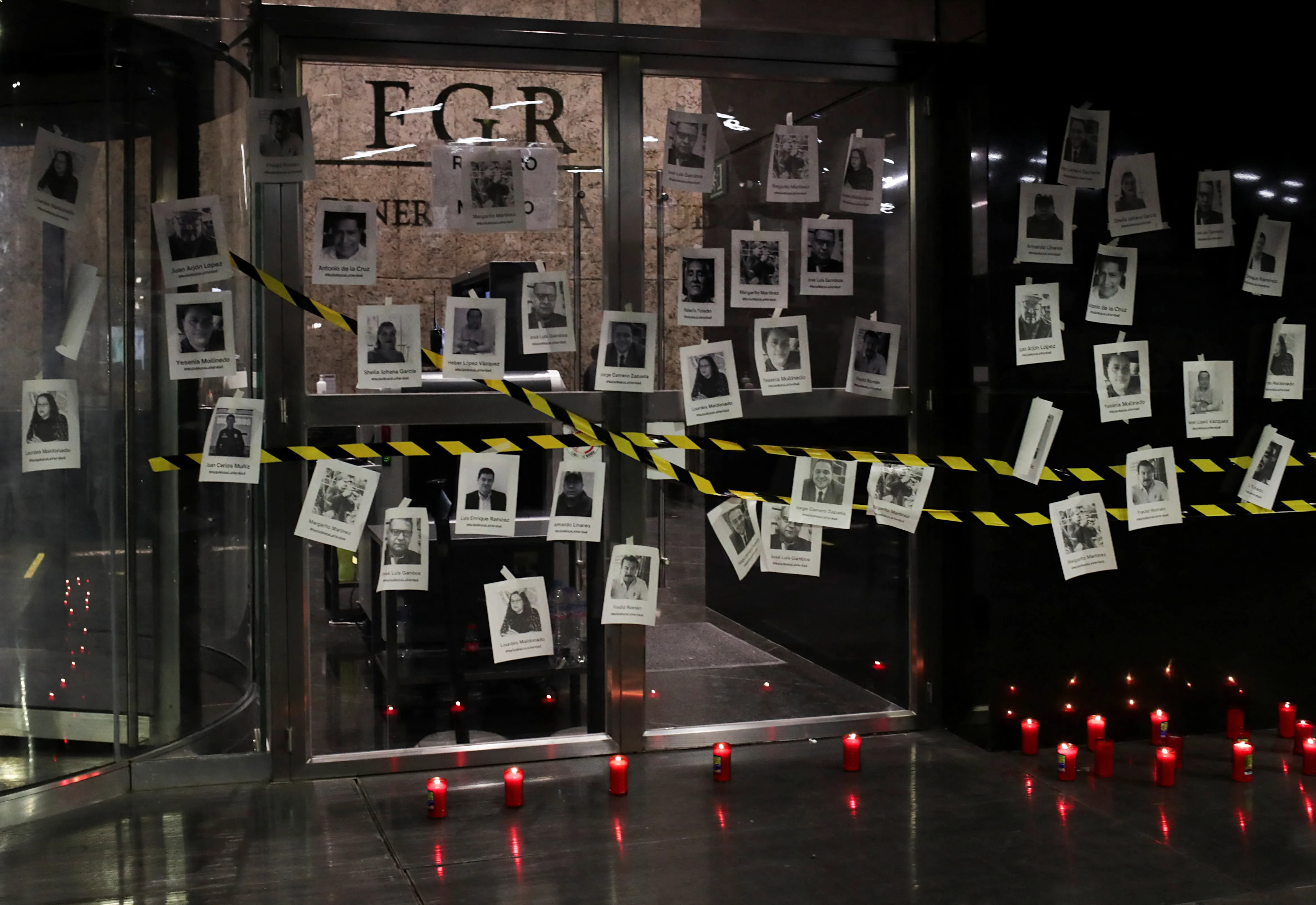
Journalist killings in Latin America have already surpassed last year’s total, according to a midyear report by Reporters Without Borders (RSF), marking 2025 as one of the most dangerous periods for the press in the region. As of July, 14 journalists have been killed, compared to 11 throughout all of 2024. RSF warns that these figures reflect a deepening crisis of violence, impunity, and state failure to protect media workers. Mexico, Colombia, Guatemala, and Honduras are among the deadliest countries, but the danger extends across the continent. Most of the journalists killed were local reporters...
New Hulu Docuseries Revisits Disappearance of Iowa News Anchor Jodi Huisentruit
Jodi Huisentruit, a 27-year-old news anchor for KIMT (Iowa Minnesota Television) in Mason City, Iowa, vanished on June 27, 1995, while en route to work. Initially considered a missing person case, authorities soon suspected foul play after discovering her items scattered near her car and signs of a struggle at the scene. Despite extensive investigations, numerous leads, and public appeals, Huisentruit was never found, and no arrests were made. In 2001, she was declared legally dead at age 32. A new three-part docuseries, Her Last Broadcast: The Abduction of Jodi Huisentruit, premiered on Hulu on...
Dramatic Rise in Journalist Killings: Press Emblem Campaign Report
In the first half of 2025, 86 journalists were killed worldwide, marking a 16% increase from the same period last year, according to a report by the Press Emblem Campaign (PEC). This alarming rise is largely driven by the ongoing conflict in Gaza, where Israeli forces killed 31 Palestinian journalists. Since October 2023, nearly 200 journalists have been killed in Gaza alone. Other deadly countries for journalists this year include Sudan, Mexico, and the Ukraine-Russia conflict zone, each recording 6 deaths. Iran followed with 4 journalists killed in Israeli airstrikes in June. In South Asia,...
Hunger as a Weapon: A New Frontier in War Crimes Reporting
The Global Investigative Journalism Network (GIJN) has released a new chapter in its Reporter’s Guide to Investigating War Crimes, focusing on the deliberate use of starvation in armed conflict. Written by Pulitzer Prize-winning journalist Maggie Michael, the chapter explores how starvation is increasingly being deployed not as a side effect of war but as a calculated method of warfare, one that qualifies as a war crime under international law. The guide outlines how legal frameworks such as the Rome Statute and Geneva Conventions define starvation as a violation when food, water, medicine, or humanitarian aid...
Diana Turbay: The Journalist Caught in Colombia’s Darkest Hour
Diana Turbay’s life and tragic death remain one of the most haunting chapters in Colombia’s turbulent history of drug violence and political terror. As a prominent journalist and television news director, Turbay dedicated her career to reporting with integrity during a time when Colombia was held hostage by powerful drug cartels, most notably Pablo Escobar’s Medellín Cartel. Born in 1950, Diana Turbay was the daughter of former Colombian President Julio César Turbay Ayala. Despite her privileged background, she chose a demanding path in journalism, committed to uncovering truths in one of the world’s most dangerous...
UNESCO Report Exposes Global Abuse of Financial Laws to Silence Journalists
The UNESCO report titled “The Misuse of Financial Laws to Pressure, Silence and Intimidate Journalists and Media Outlets” highlights a concerning global trend: the weaponization of financial legislation to suppress press freedom. Authored by Edward Pittman and Elisa Juega, the report is part of UNESCO’s World Trends in Freedom of Expression and Media Development series. The report identifies eight categories of legal threats commonly employed against journalists, including allegations of tax evasion, money laundering, extortion, blackmail, terrorism financing, fraud, embezzlement, and illegally receiving foreign funds. These charges are often levied without a direct connection to...
UNESCO Report Warns of Escalating Threats to Journalists Covering Environmental Issues
A new UNESCO report titled Press and Planet in Danger reveals a disturbing rise in violence, harassment, and repression targeting journalists who cover environmental issues worldwide. The report, released in 2024, documents how reporters investigating climate change, pollution, illegal mining, deforestation, and land disputes are increasingly threatened, censored, or even killed for their work. Between 2009 and 2023, at least 749 attacks were recorded against environmental journalists, including murders, arbitrary detentions, legal harassment, and digital surveillance. Alarmingly, 44 journalists were killed during this period in connection with their ecological reporting, often in regions rich in...
India Strikes Back: Operation Sindoor and the Long Road to Justice for Daniel Pearl
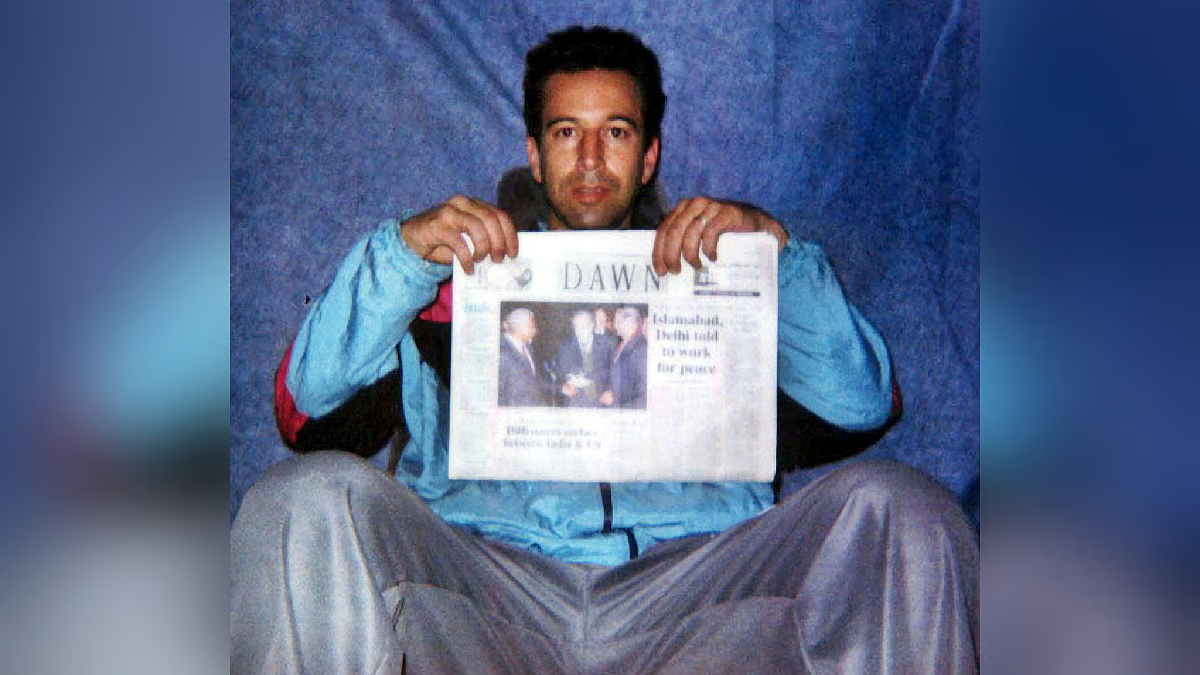
India's recently launched Operation Sindoor has reverberated far beyond the borders of South Asia. Framed as a counter-terrorism response to the April 22 massacre in Pahalgam, where 26 Hindu pilgrims were brutally killed, this military operation has now taken on deeper symbolic meaning: a long-delayed act of justice for American journalist Daniel Pearl, who was kidnapped and murdered in Pakistan over two decades ago. On May 8, India carried out coordinated airstrikes targeting terrorist infrastructure in Pakistan and Pakistan-administered Kashmir. Among the key sites was the Markaz Subhan Allah seminary in Bahawalpur, a known stronghold...
RSF World Press Freedom Index 2025: economic fragility a leading threat to press freedom
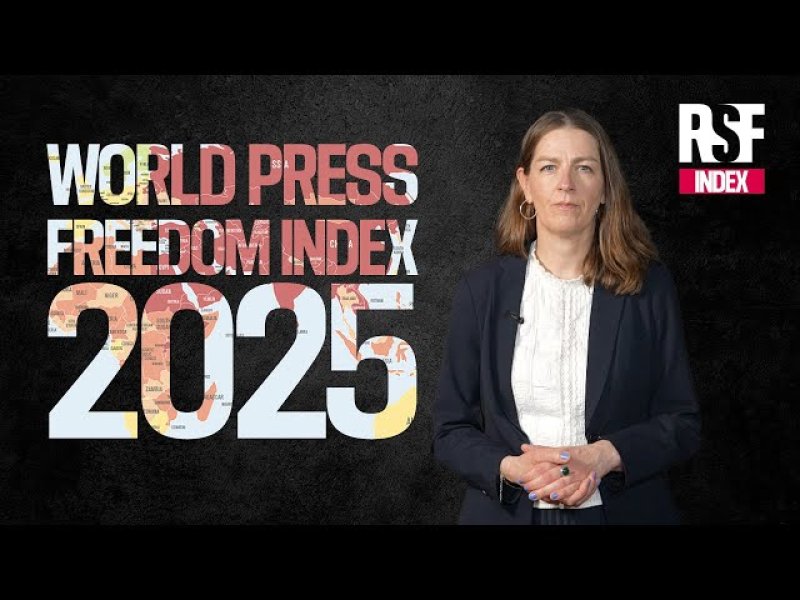
The 2025 RSF World Press Freedom Index shows a historic decline in global press freedom, driven mainly by worsening economic conditions. Financial instability, ownership concentration, shrinking ad revenue, and opaque public funding are threatening editorial independence worldwide. The economic indicator has reached its lowest point, pushing the global situation into a “difficult” category for the first time. Media outlets are shutting down in nearly a third of countries, including democracies like the U.S., where local journalism is collapsing. Tech giants dominate ad revenue, while media ownership concentration and editorial interference are rising across regions. All...
1 3 4 5 6 7 11