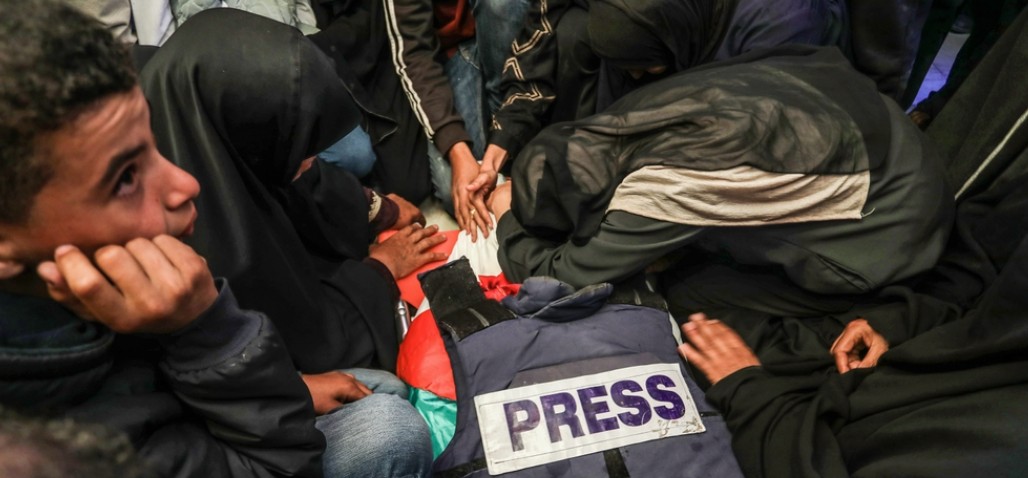
Unprecedented Killings of Palestinian Journalists in Gaza: A Research‑Focused Analysis of Press Freedom Erosion
April 8, 2026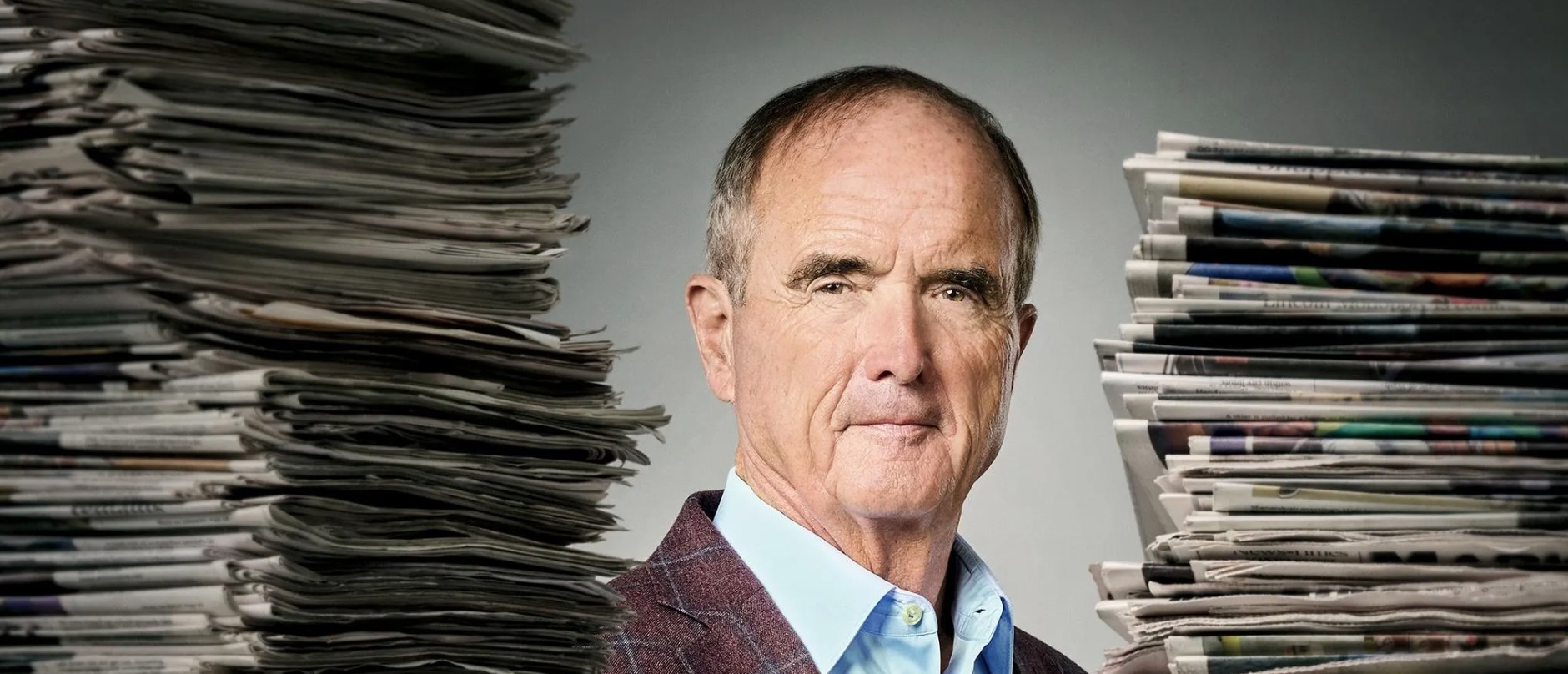
Billionaire David Hoffmann’s Strategic Bid to Revive American Newspapers
April 9, 2026
The Mesopotamia Women Journalists Association (MKG) has published its March 2026 report on press freedom violations, offering systematic documentation of legal harassment, intimidation, censorship, and physical interference faced by journalists, with a particular emphasis on violations affecting women in the profession. The report provides both quantitative counts and qualitative descriptions of multiple categories of repression experienced within the reporting period, highlighting how ongoing restrictions undermine the public’s right to access information.
Methodologically, the MKG report aligns with press freedom monitoring frameworks used by civil society groups worldwide: it categorizes violations into detentions, threats, investigations, lawsuits, sentencing, field obstruction, and digital censorship. In March alone, the association recorded one journalist detained and one threatened, with two journalists facing legal investigations, two subjected to lawsuits, and two sentenced by courts. Additionally, trials were underway for seven journalists, and five remained imprisoned at month’s end. This approach mirrors the structured incident tracking used in other freedom of expression reports that quantify violations over defined time intervals to identify trends and patterns.
The report also documented censorship measures, including the shutdown of one website and 41 social media accounts linked to journalists, along with access restrictions on 13 social media platforms. This form of digital obstruction is indicative of broader global trends in media suppression, where online spaces are targeted to limit distribution channels and public discourse, as seen in other press freedom monitoring datasets. Such digital censorship, when coupled with physical harassment and legal pressures, reflects the multidimensional nature of contemporary suppression documented by international researchers. The use of integrated tracking across categories of repression strengthens the report’s validity as a monitoring tool for ongoing violations.
Qualitatively, the MKG narrative emphasizes the cumulative impact of these violations on women journalists, whose professional activities — including news gathering, reporting from the field, and courtroom coverage — were described as increasingly subject to police intervention and administrative barriers. This echoes academic analyses that link gendered workplace insecurity with broader systemic suppression, suggesting that vulnerable subgroups within journalistic communities may experience layered forms of risk.
Overall, the March MKG report functions as both a descriptive record and an analytical tool, situating press freedom violations within broader patterns of structural constraint and obstruction. By documenting concrete incidents across legal, physical, and digital domains, the report contributes to the evidence base used by advocates and researchers to assess the evolving landscape of media freedom. Continuous, methodical documentation like this is essential for comparative analysis and for tracking changes in press freedom environments over time.
Reference –