
Scientists and Journalists Must Work Together to Defend Public-Interest Research
May 24, 2026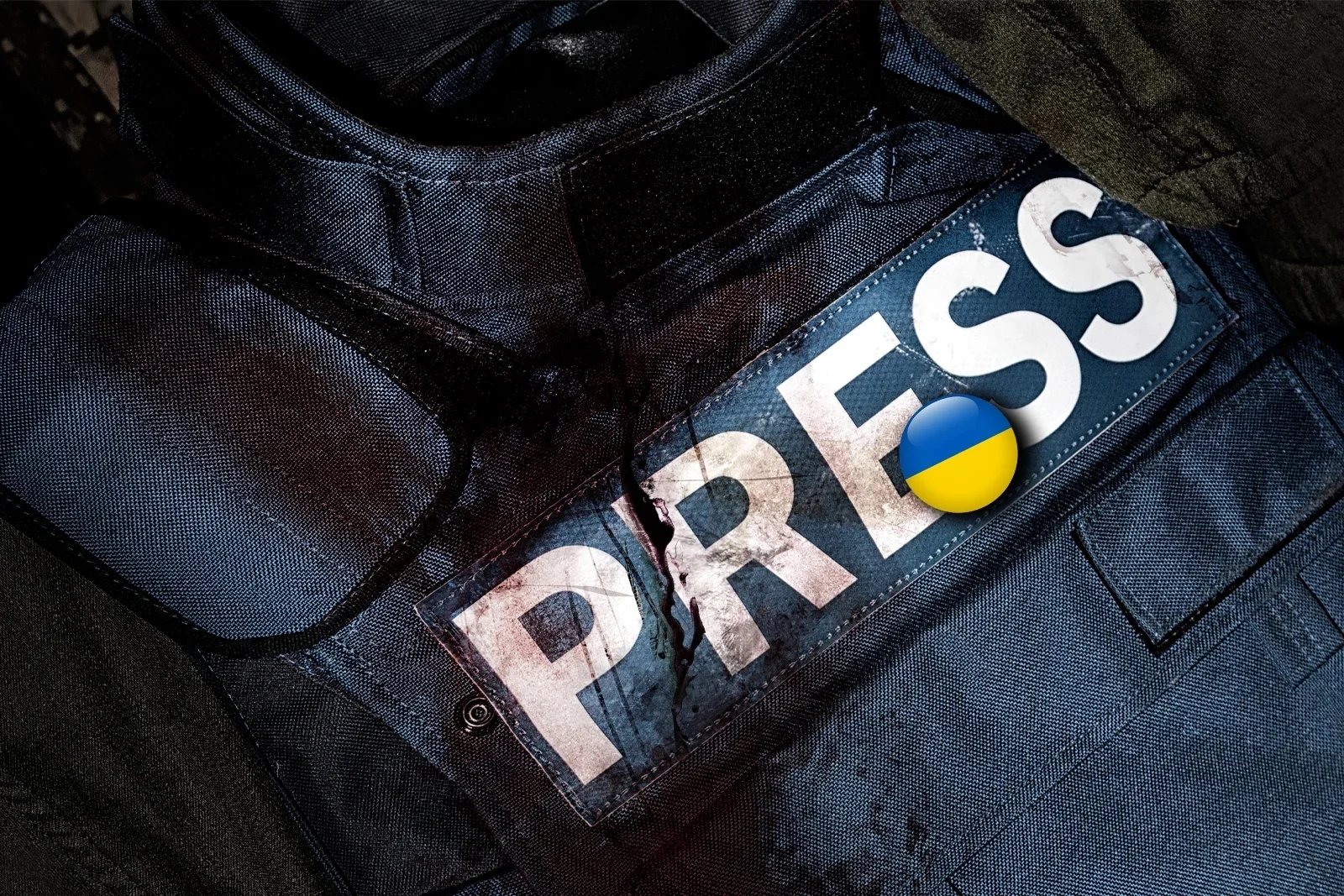
A recent analysis published by International Policy Digest explores how Russia’s war against Ukraine is fundamentally reshaping journalism, forcing reporters to adapt to new physical dangers, information warfare, and ethical challenges while documenting one of the most consequential conflicts of the modern era.
The article centers on interviews with Ukrainian journalist Anna Chernenko, who reports from Kharkiv, a city heavily affected by Russian attacks and drone warfare. Chernenko argues that the conflict has transformed journalism from traditional frontline reporting into a more immersive and psychologically demanding form of documentation. She describes modern Ukrainian journalism as deeply tied to lived experience, where reporters are no longer detached observers but individuals directly affected by the realities they cover.
One of the article’s key themes is the changing nature of risk in war reporting. Drone technology and long-range strikes have expanded danger zones far beyond conventional battlefronts, making even areas dozens of kilometers away from combat vulnerable to attack. Journalists now operate in environments shaped by surveillance, missile threats, and rapidly shifting battlefield conditions. Analysts and reporters interviewed in related studies note that the war has accelerated a broader transformation in conflict journalism globally.
The article also examines the role of disinformation and narrative control in the conflict. Chernenko argues that journalists in Ukraine are confronting not only military violence but also coordinated efforts to manipulate public perception through propaganda and false narratives. Research on wartime media ecosystems has similarly shown that the Ukraine conflict has become a major arena for digital information warfare, where governments, political actors, and online networks compete to shape international opinion.
Another major issue highlighted is the tension between journalistic independence and national identity during wartime. Ukrainian journalists interviewed in the article suggest that professional responsibilities are increasingly intertwined with questions of survival, sovereignty, and collective resistance. Despite this, Chernenko maintains that Ukrainian journalism continues to operate without the kind of systematic state pressure commonly associated with authoritarian wartime media systems.
The broader research surrounding journalism in Ukraine points to additional pressures affecting the media sector, including psychological trauma, economic instability, infrastructure destruction, and declining international attention. Media organizations have adapted by developing crisis management systems, operating through blackouts and bombardments, and relying on local networks to maintain reporting operations.
The article concludes that the war is likely to leave a lasting imprint on Ukrainian journalism, influencing future books, films, photography, and documentary work long after the fighting ends. Scholars and media researchers increasingly view the Ukrainian conflict as a defining case study in how modern warfare, digital technology, and information manipulation are transforming journalism worldwide.
Reference –