
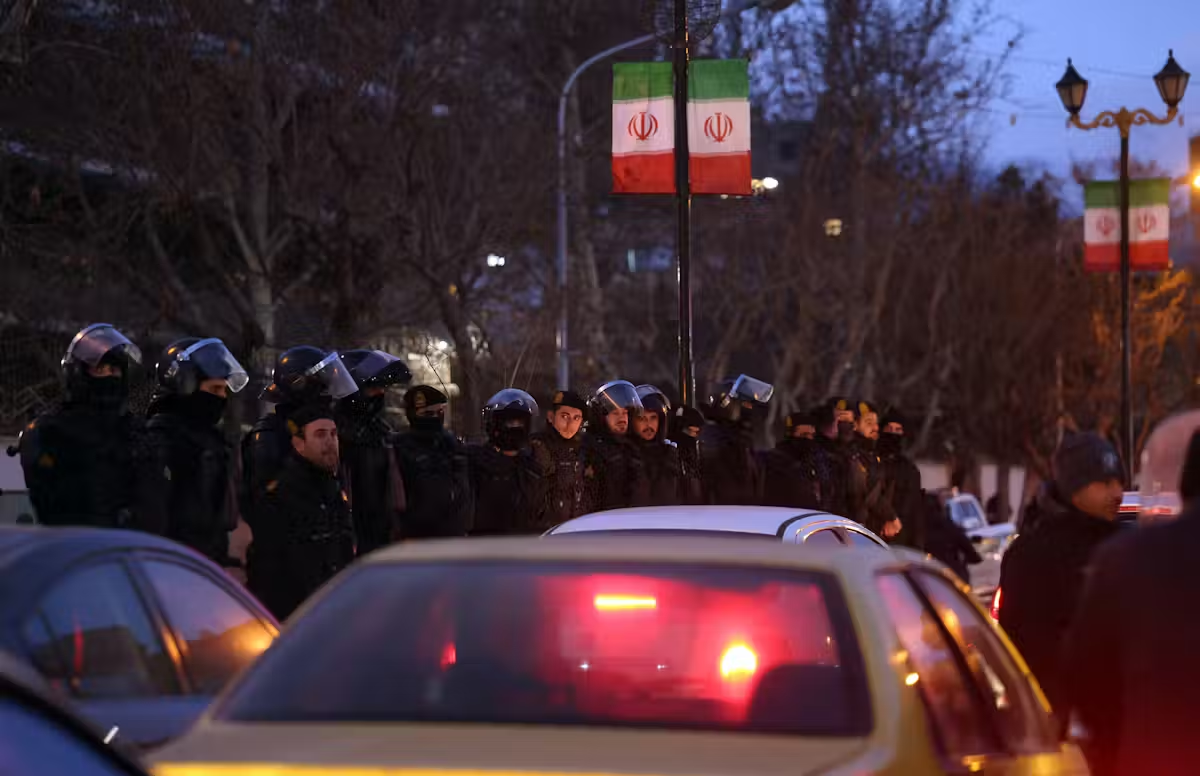
Challenges Faced by Journalists Covering Iran’s 2025–26 Protests: A Research-Oriented Analysis
February 1, 2026
How AI Tools Are Enhancing Journalism Without Replacing Reporters
February 3, 2026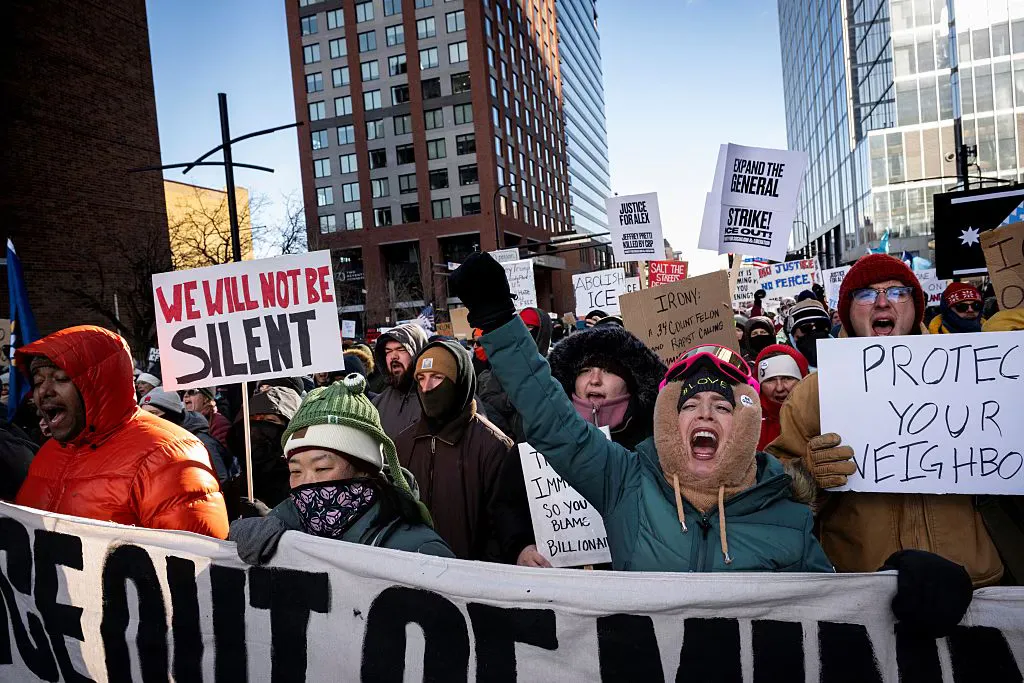
Context of Evolving Reporting Risks –
Coverage of protests against U.S. Immigration and Customs Enforcement (ICE) and related federal enforcement actions has prompted journalists to rethink fundamental aspects of their craft. With heightened government surveillance and legal pressure on both demonstrators and the press, traditional models of observing and reporting are being challenged by ethical risks, safety concerns, and questions about the downstream effects of published material. This shift reflects broader changes in how protest journalism operates in environments seen as hostile to dissent and accountability reporting.
Intervention Through Observation –
Journalists covering ICE protests are confronting the reality that observation is no longer neutral. Recording a person’s participation—through photos or video—can increase that person’s vulnerability to arrest or surveillance by authorities. The mere act of bearing witness can inadvertently expose protesters and bystanders to risks they did not consent to assume, prompting reporters to balance transparency with harm reduction.
Blurring Lines Between Observation and Participation –
In this context, proximity to protest activity carries physical and ethical danger. Reporters may find that standing nearby can be interpreted as involvement by law enforcement, undermining traditional notions of journalistic detachment. Likewise, relationships with sources have shifted: naming individuals in coverage can jeopardise their safety, leading journalists to withhold identifying information not as editorial preference but as a necessary precaution.
Technology and Surveillance –
The widespread use of government surveillance tools means that material collected by journalists—photos, videos, timestamps, and geolocation metadata—can be repurposed by authorities to track or target individuals present at protests. This has encouraged newsrooms and independent reporters to adopt harm-mitigation practices that go beyond accuracy and fairness, such as blurring faces, omitting precise locations, and carefully considering the long-term impact of published archives.
Safety and Ethical Protocols –
Traditional identifiers such as press badges and credentials no longer guarantee protection; in some instances, they increase visibility to law enforcement. This renders standard safety protocols inadequate, pushing journalists to develop new security frameworks and pre-emptive ethical guidelines that foreground source protection, personal safety, and the potential future uses of their reporting.
Impact on Journalistic Norms –
The cumulative effect of these changes is a reconfiguration of protest journalism norms. Reporters covering ICE protests are not only documenting power but also navigating a contested space where their presence, footage, and editorial choices can have immediate and unintended consequences for those they cover. This reality demands a reevaluation of methods, risk assessments, and ethical priorities that may soon influence broader standards in conflict and protest reporting.
Reference –
https://chills.substack.com/p/10-ways-covering-ice-protests-has