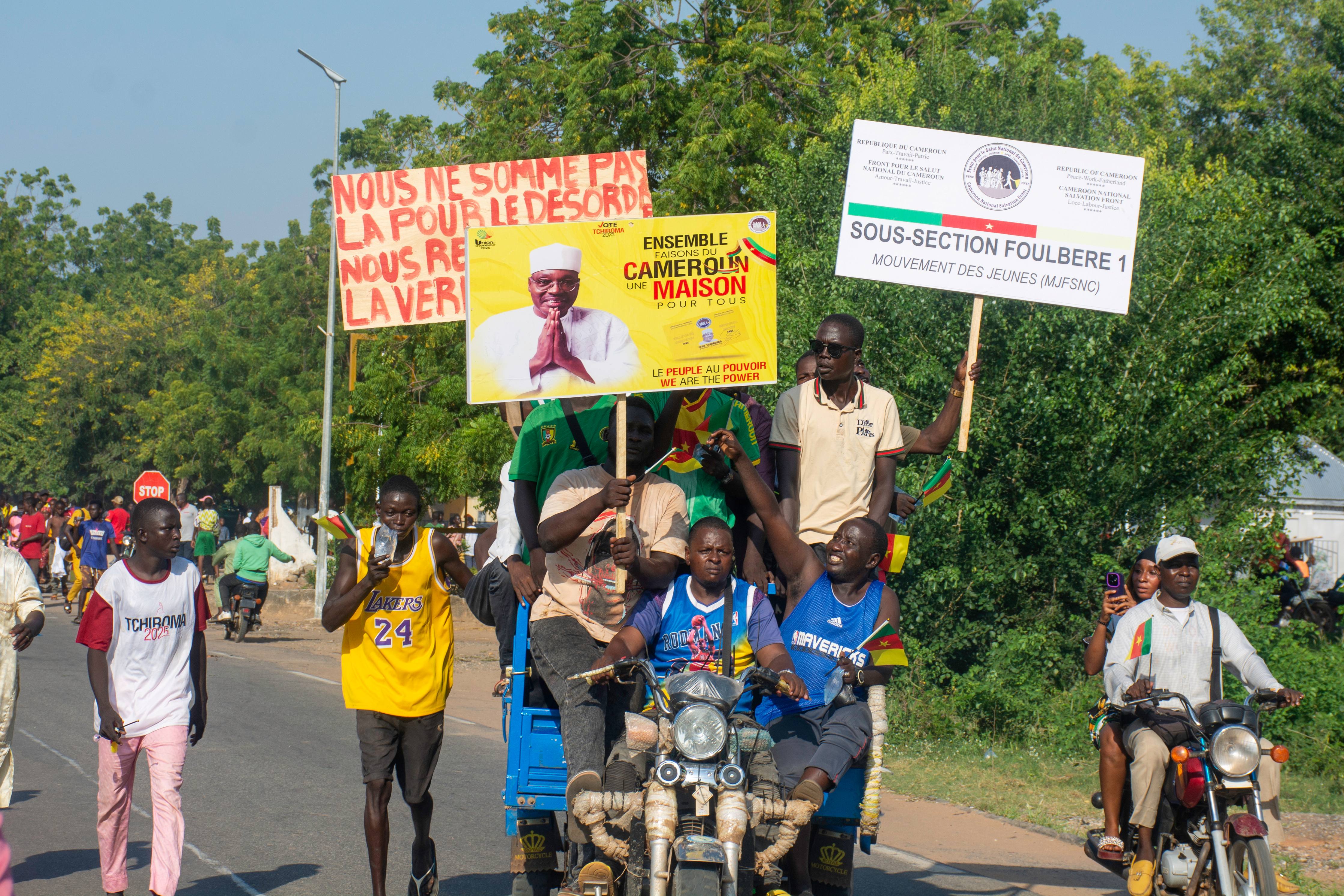
Press Under Siege in Cameroon’s 2025 Election A Research-Style Analysis
January 27, 2026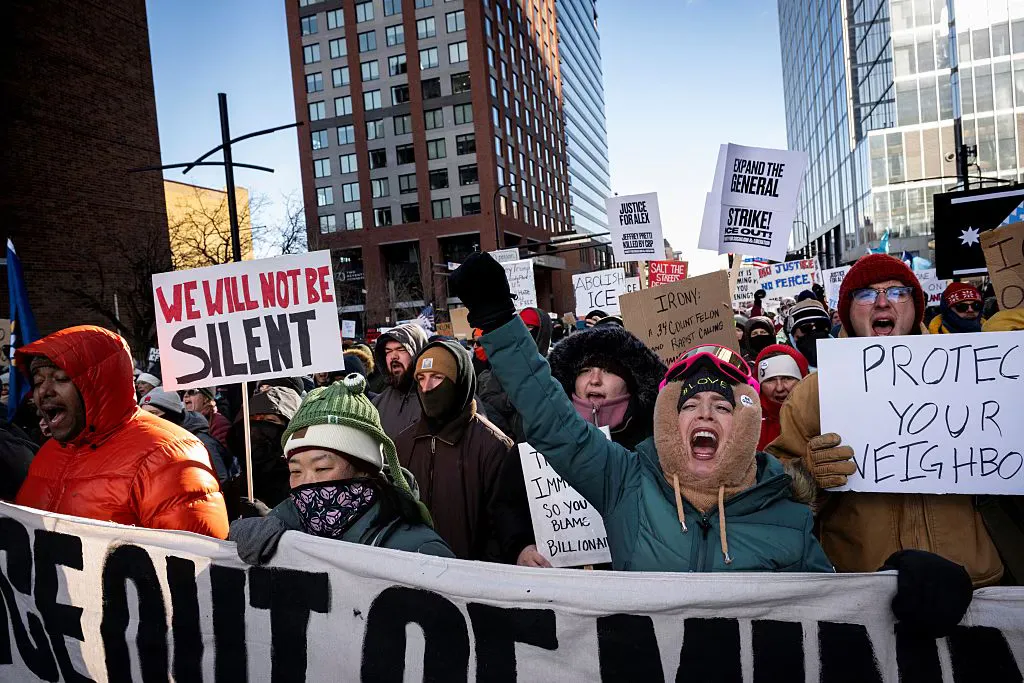
How Covering ICE Protests Is Reshaping Journalistic Practice
February 3, 2026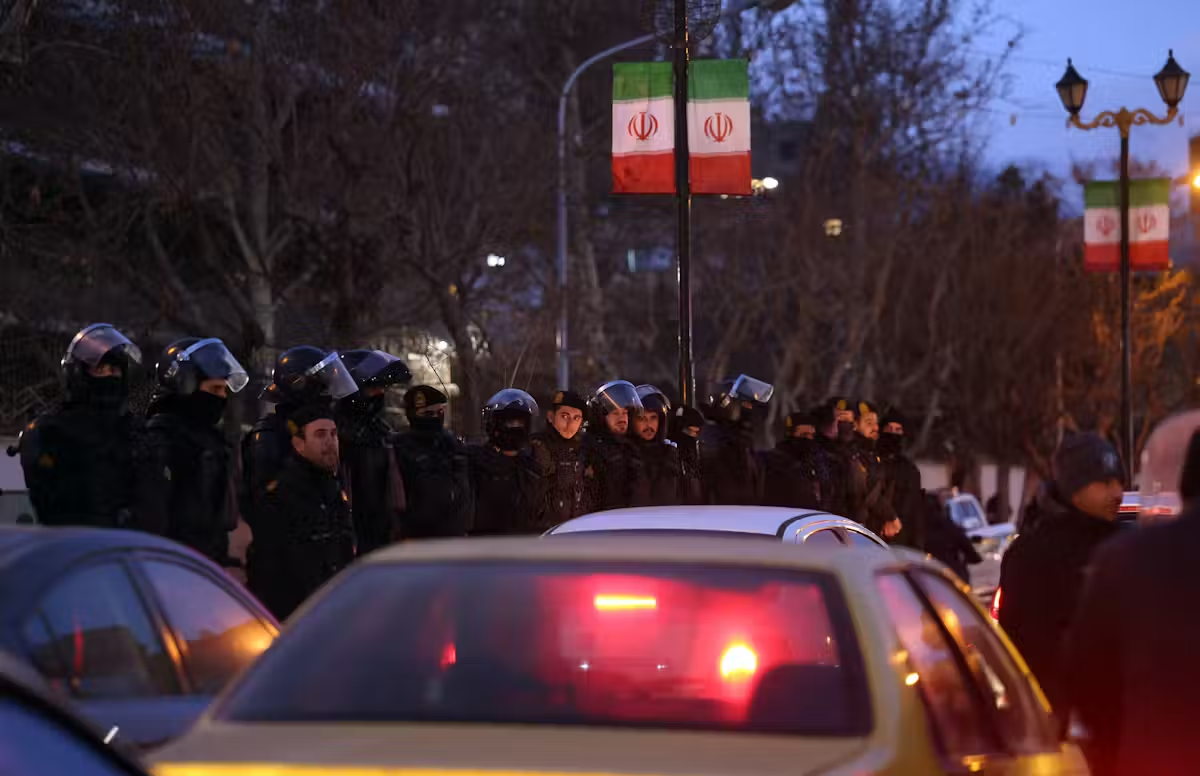
The widespread protests that erupted across the Islamic Republic of Iran in late 2025 and persisted into 2026 have posed severe operational, legal, and ethical challenges for both domestic and international journalists. Comprehensive analysis reveals that these challenges stem from a combination of state repression, information control, and technological suppression, which together significantly constrain journalists’ ability to report independently and safely from within the country.
State Control and Legal Threats
Iran’s government has responded to the protests with extensive crackdowns, treating public demonstrations as threats to national security. Journalists reporting on these events have been directly targeted by authorities. Arrests, including of notable journalists and citizen reporters, have occurred under broadly defined legal charges such as “propaganda against the state” or “acting against national security.” These charges are often vague and subject to interpretation, enabling the state to prosecute media workers regardless of whether they engaged in peaceful or factual reporting. The risk of imprisonment, coupled with potential long sentences under security legislation, creates a chilling effect across the journalistic community.
Communication Blackouts and Technological Restrictions
The Iranian government has implemented near-total internet shutdowns on multiple occasions during the protests, severely limiting online access and the flow of information. These blackouts not only impede journalists’ ability to communicate with colleagues and editors abroad but also restrict their capacity to publish real-time updates. In an era where digital platforms and encrypted communication are central to newsgathering, such disruptions undermine core journalistic functions and hinder verificatory processes.
Information Control and Censorship
In addition to physical and technological repression, state authorities have tightened control over domestic media outlets. State broadcasters and allied news organisations have been mobilised to project narratives that align with official messaging, often framing protesters as “violent agitators” and delegitimising independent coverage. Not only does this shape public perception internally, it also complicates efforts by independent journalists to counter misinformation and provide accurate context to international audiences.
Citizen Journalism and Safety Risks
With restricted access for formal journalists, citizen journalists have played an increasingly prominent role in documenting protests. However, their status lacks institutional protection, exposing them to heightened risks including arrest, abduction, and physical violence. The reliance on untrained individuals also presents ethical challenges related to verification and standards of reporting, which mainstream media must navigate carefully when incorporating user-generated content into their coverage.
Implications for Press Freedom and Public Knowledge
The combined impact of legal threats, digital censorship, and hostile information environments has produced a constrained media ecosystem in Iran. Journalists face a trade-off between personal safety and the imperative of reporting on events of considerable public interest. This environment not only undermines press freedom but also restricts the global public’s access to timely, accurate information about developments on the ground.
Overall, the challenges encountered by journalists covering Iran’s protests illustrate how modern authoritarian responses — involving legal, digital, and informational control mechanisms — can systematically weaken independent journalism. Such constraints have significant implications for transparency, accountability, and the broader democratic discourse surrounding protest movements and state-citizen relations.
Reference –