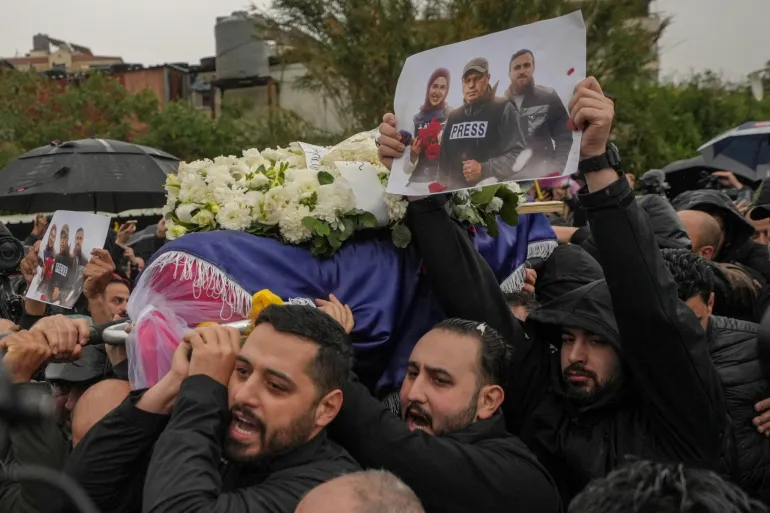
UN Experts Demand Probe into Killing of Lebanese Journalists by Israeli Forces
April 2, 2026
Russia Sentences Ukrainian Journalist to 13 Years, Seeks Arrest Abroad
April 2, 2026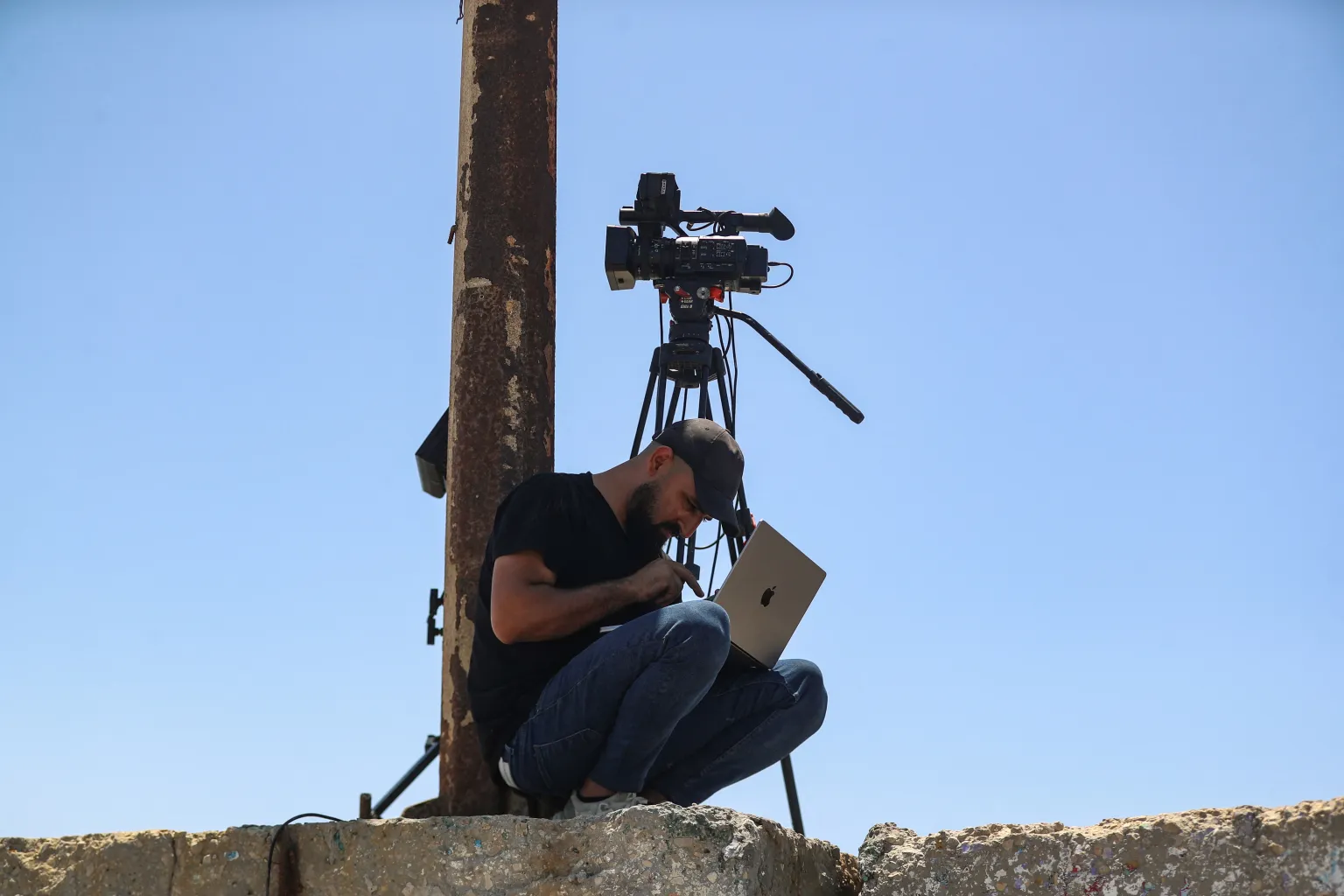
April 02, 2026 – General –
Journalists covering the Middle East war are operating under increasingly complex constraints, as internet blackouts, state restrictions, and the rise of artificial intelligence-generated misinformation reshape how news is gathered, verified, and published.
A report by the Committee to Protect Journalists highlights how widespread internet shutdowns have become a central tool used by governments during conflict. In Iran, authorities imposed a near-total blackout that reduced connectivity to almost zero for weeks, effectively isolating journalists from sources, audiences, and verification channels. Reporters described the situation as “almost total darkness,” where even basic fact-checking becomes nearly impossible.
Across the region, journalists have been forced to adopt improvised and often dangerous workarounds. These include relying on satellite connections, encrypted messaging platforms, and physically traveling long distances to find connectivity. In Gaza, some reporters risked their lives by climbing buildings or moving through active conflict zones to access limited signals or “street internet” to transmit photos and updates. Others reverted to low-tech methods such as phone calls, word-of-mouth networks, or even mosque loudspeakers to disseminate urgent information.
These constraints are compounded by government restrictions and military censorship. According to reporting by Le Monde, journalists face barriers including denied access, visa limitations, and strict controls on what can be reported, particularly in countries directly involved in the conflict. In some areas, reporters risk detention for filming near sensitive sites, while in others, coverage is limited to official narratives, narrowing the scope of independent reporting.
At the same time, the information environment itself is becoming more volatile. The spread of AI-generated images and videos has introduced a new layer of complexity, making verification a central challenge. News organizations are increasingly relying on advanced verification techniques and cross-checking systems, often refusing to publish content that cannot be independently confirmed.
Together, these developments illustrate a fundamental shift in war reporting. Journalists are no longer only navigating physical danger, but also digital suppression and information manipulation. The result is a fragmented and uncertain media landscape, where access to truth is constrained not only by violence but by the systematic disruption of the tools needed to document it.
Reference –
How Middle East journalists report during internet blackouts