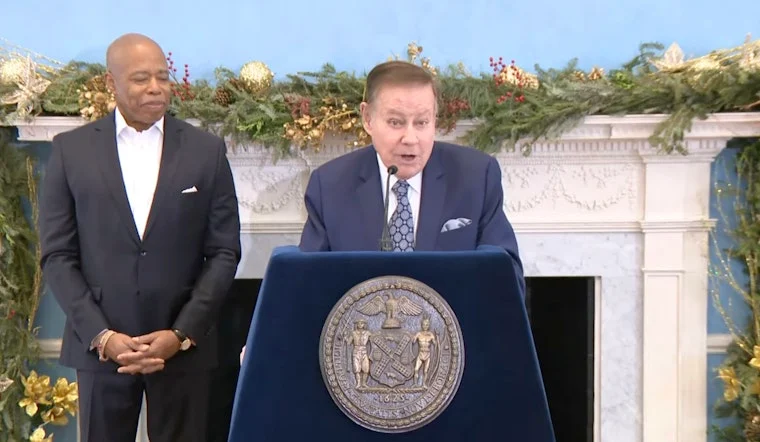
Journalistic Icon Marvin Scott Awarded Key to the City of New York
December 28, 2025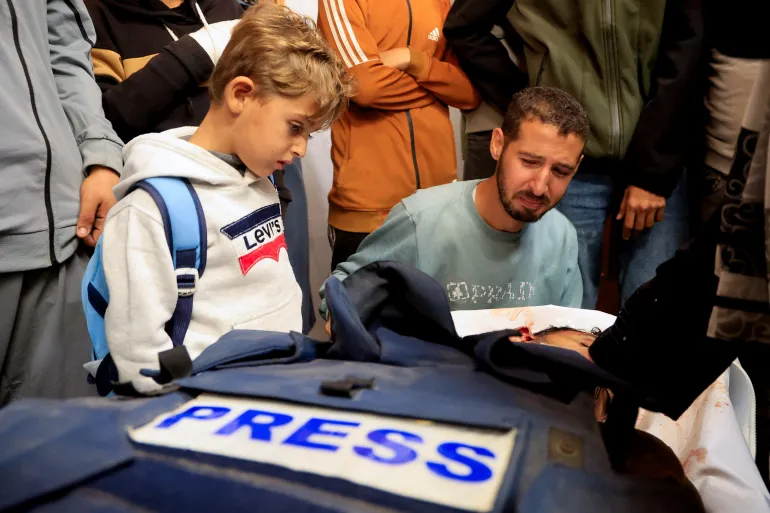
December 29, 2025 – Palestine –
A new report by the Palestinian Journalists Syndicate (PJS) asserts that Israeli military operations in the Gaza Strip since October 2023 have resulted in the deaths of at least 706 relatives of Palestinian journalists, a development that has intensified debate over the risks faced by media workers and their families amid ongoing conflict. The PJS, speaking through its Freedoms Committee, described the killings as part of a systematic pattern of violence that goes beyond incidental war casualties and amounts to collective punishment aimed at silencing Palestinian reporting.
According to the report, the fatalities among journalists’ family members occurred across three consecutive years of the war: 436 in 2023, 203 in 2024, and at least 67 in 2025, despite many families having been forcibly displaced from their homes and seeking refuge in makeshift shelters and tents. The syndicate’s documentation suggests that journalists’ relatives — including children, spouses, parents, and extended family — have continued to be killed in Israeli strikes on homes, displacement camps, and areas known to be inhabited by media workers and their families.
In its statement, the Freedoms Committee characterised these incidents as more than collateral damage from broader hostilities. It argued that the repeated harm inflicted on journalists’ households transforms the act of reporting into an “existential burden” and represents a dangerous escalation in threats against the press. The syndicate described this pattern as a deliberate effort to intimidate journalists and discourage independent coverage, particularly of events in Gaza’s devastated urban centres.
One of the report’s cited examples involves the recovery of the bodies of Palestinian journalist Hiba al-Abadleh and her mother, along with around 15 family members of the Al-Astal family near Khan Younis — an incident occurring nearly two years after an Israeli airstrike destroyed their home. Such recoveries highlight the long-term challenges of identifying and documenting casualties amid widespread destruction.
The PJS findings add to broader reports of risks to journalists in Gaza, where the conflict has become one of the deadliest environments globally for media professionals. Independent monitoring groups have documented dozens of journalists killed or injured while reporting and raised concerns about shrinking space for independent media access to Gaza under military restrictions.
The PJS called on international organisations, press freedom bodies, and rights advocates to scrutinise what it describes as abusive targeting and to press for stronger protections for journalists and their families in conflict zones, emphasising that freedom of expression and civilian safety are fundamental even in wartime.
Reference –