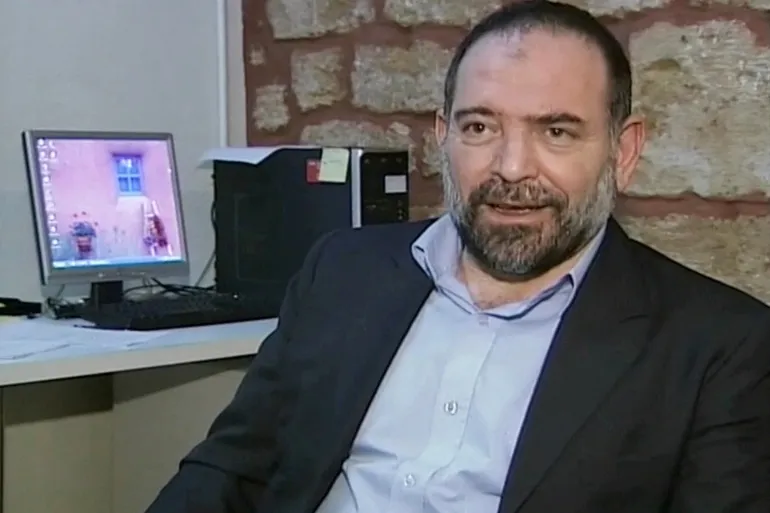
Five Years On: Lebanese Activist Lokman Slim’s Assassination Still Unresolved
February 1, 2026
Bangladesh Election Commission Faces Backlash After Journalist Data Leak
February 1, 2026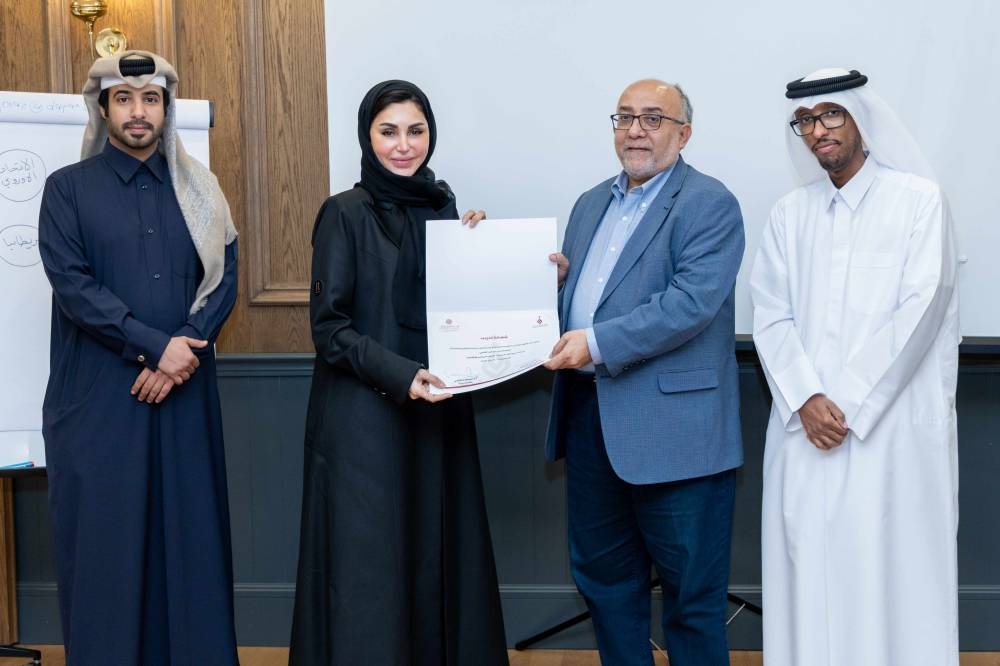
February 01, 2026 – Qatar –
The Qatar Press Centre for Media Freedom has initiated a new Diploma in Political Analysis and Public Diplomacy aimed at strengthening the analytical and reporting skills of mid-career media professionals and diplomatic officials. The programme, launched on January 28, 2026, reflects Qatar’s broader commitment to professional development within journalism and international relations, equipping participants with tools to better interpret global political dynamics and communicate nuanced insights to diverse audiences.
The training is structured as an advanced academic diploma in political analysis, delivered through a combination of theoretical study, case analyses, and practical workshops. It brings together journalists, media strategists, and foreign affairs practitioners from different countries to engage in concentrated instruction on subjects such as geopolitical trends, policy interpretation, strategic communication, and the role of media in shaping public understanding of international affairs. Facilitators for the programme include seasoned political analysts, academic experts, and senior diplomats, providing participants with a range of professional perspectives and analytical frameworks.
According to organisers, the diploma is designed to deepen participants’ capacity to critically assess global political developments, understand the interplay between media narratives and diplomatic interests, and apply analytical models that support objective reporting and informed decision-making. The curriculum also emphasises ethical considerations in political reporting and encourages nuanced engagement with complex policy issues — skills considered increasingly important in a media environment characterised by rapid information flows and competing narratives.
The launch event highlighted Qatar Press Centre’s ongoing efforts to contribute to the professional growth of media practitioners, an initiative that aligns with regional priorities to foster robust, responsible journalism and enhanced dialogue between the media and policymaking communities. In welcoming participants, programme directors noted that equipping journalists and diplomats with advanced analytical skills is vital for strengthening the quality of political coverage and public diplomacy messaging in an era of geopolitical volatility.
Officials from participating institutions also stressed the value of creating a cross-disciplinary learning environment, where media professionals can better understand diplomatic contexts, and diplomatic officers can appreciate the role of independent media in shaping international discourse. The diploma is expected to run for several weeks, culminating in a series of presentations where participants demonstrate their analytical projects and practical insights.
The programme announcement comes at a time when media freedom and press competence are increasingly emphasised across the region, with initiatives such as this one reinforcing capacity building and professional standards in political reporting.
Reference –