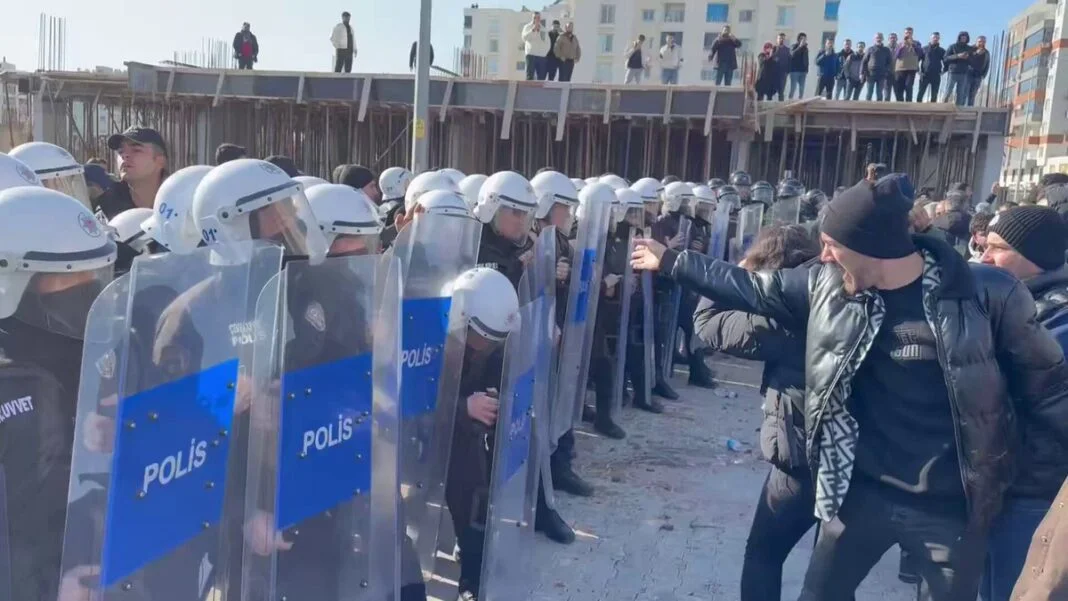
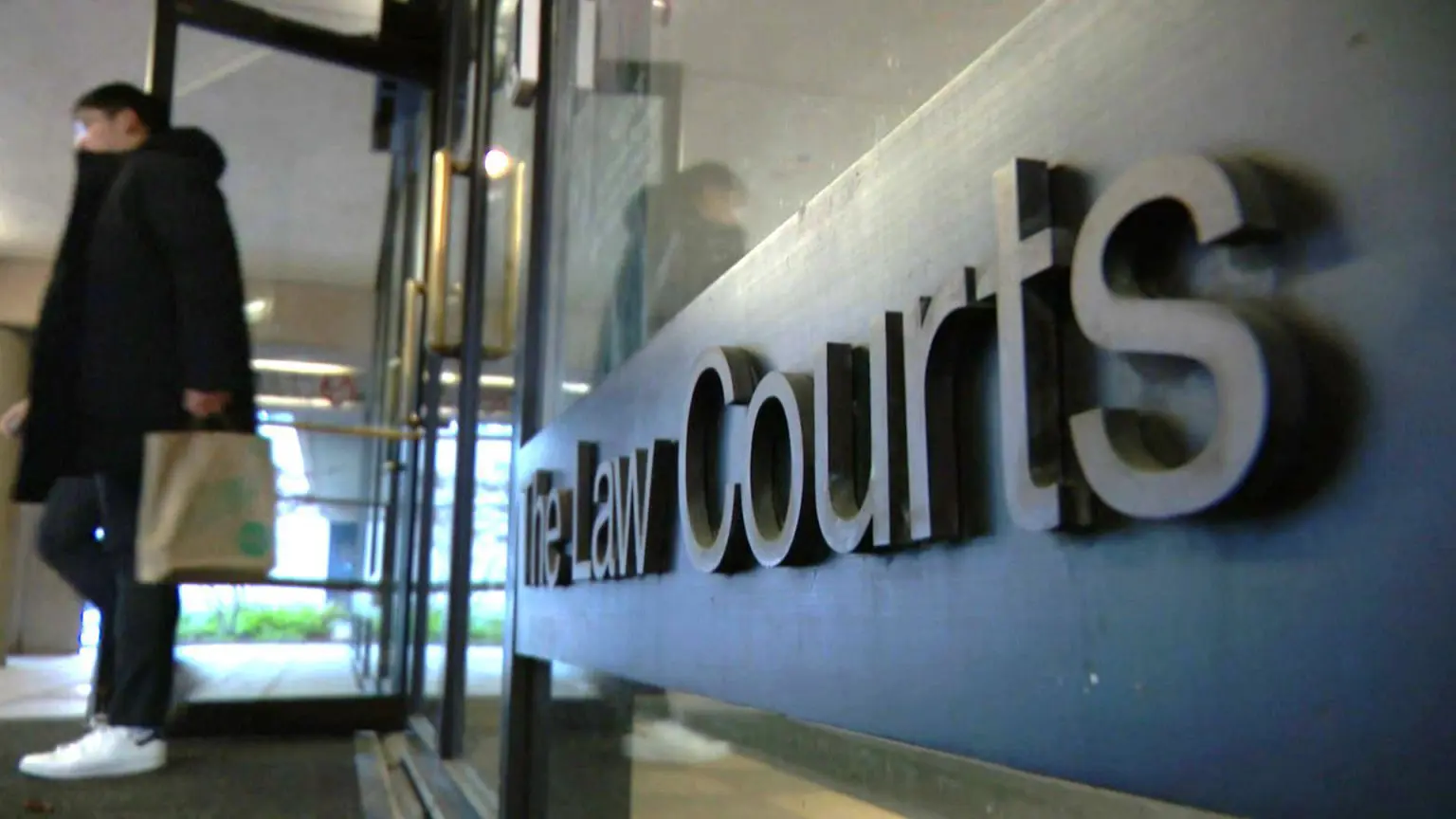
A landmark press freedom trial is underway in the British Columbia Supreme Court in Vancouver, where photojournalist Amber Bracken and Canadian investigative news outlet The Narwhal are suing the Royal Canadian Mounted Police (RCMP) over her arrest and detention in November 2021 while covering a Coastal GasLink pipeline protest on Wet’suwet’en territory — a case that press freedom advocates say could have broad implications for journalists across Canada.
Bracken, a veteran photojournalist contracted by The Narwhal, was covering tensions related to the Coastal GasLink project when RCMP officers enforcing a court injunction arrested her alongside pipeline opponents. The RCMP claimed she was “aiding or abetting” protesters and not engaged in good-faith newsgathering, though The Narwhal had notified police of her presence and assignment in advance. Bracken was held in custody for three days, and her camera gear and photographs were seized before the charges were dropped.
In the ongoing civil lawsuit, Bracken and The Narwhal allege that the RCMP violated their constitutional rights — specifically the liberty rights and press freedom protections enshrined in Section 2(b) of the Canadian Charter of Rights and Freedoms — by unlawfully arresting her while she was performing journalism. They are seeking both a declaration that the arrest was unlawful and damages for the wrongful detention and interference with their work.
The trial, expected to last five weeks, has drawn attention beyond British Columbia’s legal community because its outcome could clarify how far police powers extend in enforcement actions that intersect with journalistic access. Observers note that ongoing disputes over exclusion zones and police interactions with the press — including similar situations in other Canadian protests — highlight unresolved legal questions about journalists’ ability to report independently in areas subject to injunctions or police orders.
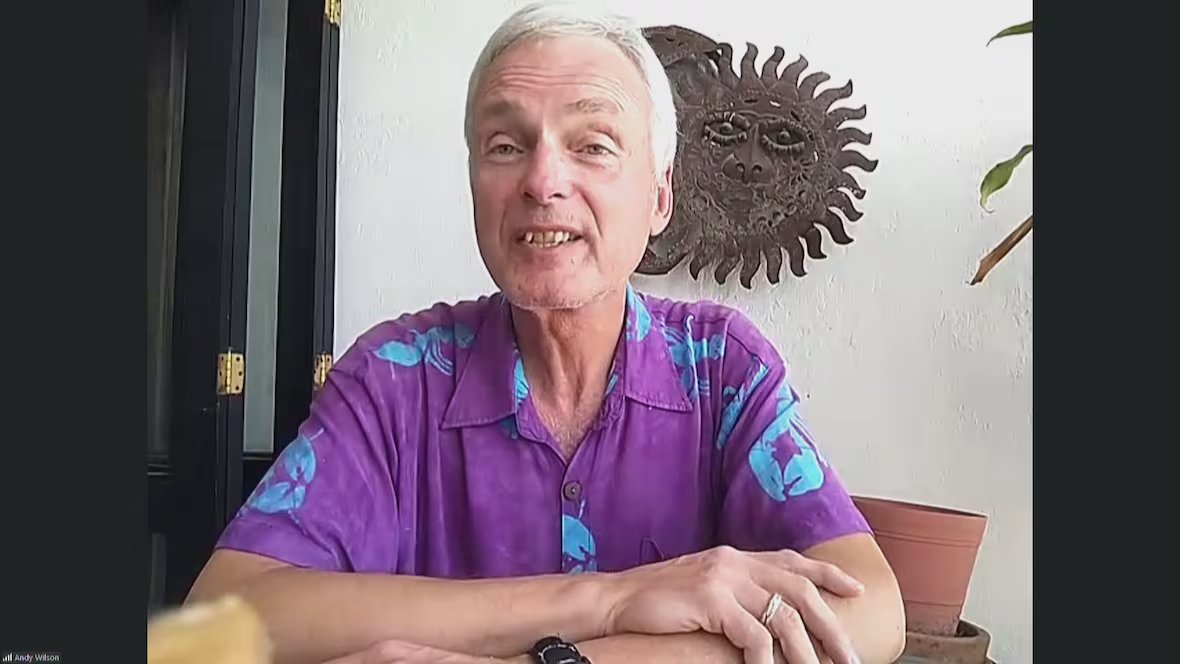
During proceedings, Bracken has taken the stand, with courtroom testimony and video footage presented illustrating the circumstances of her arrest amid police action at the protest site. The case has elicited statements of support from journalist associations — including the Canadian Association of Journalists (CAJ) — which argue that the lawsuit is not just about a single incident but about defending the fundamental right of the press to operate free of undue police interference.
For Canada’s media sector, the trial represents a rare opportunity for the courts to speak directly to the balance between law enforcement authority and press freedom protections. A ruling in favour of Bracken and The Narwhal could establish important legal precedent for how journalists and news organisations are treated by police in protest and exclusion zone contexts, potentially influencing reporting practice and legal safeguards nationwide.
Ultimately, the trial highlights ongoing tensions within democratic societies over coverage of protests, civil liberties, and access to information — and it underscores the evolving legal landscape surrounding journalists’ rights when their work intersects with public order enforcement.
Reference –
Photojournalist and The Narwhal take RCMP to court over press freedom
https://globalnews.ca/video/11614134/photojournalist-amber-bracken-testifes-in-press-freedom-trial
https://www.aptnnews.ca/national-news/press-freedom-trial-in-b-c-supreme-court-could-have-broad-implications-for-journalists-in-canada/