
Trial Begins for Suspects in Murder of ARISE News Anchor, Then Stalls Over Absent Defendants
February 11, 2026
Ukrainian Police Open Criminal Probe Into Illegal Surveillance of Journalists in MIDAS Case
February 12, 2026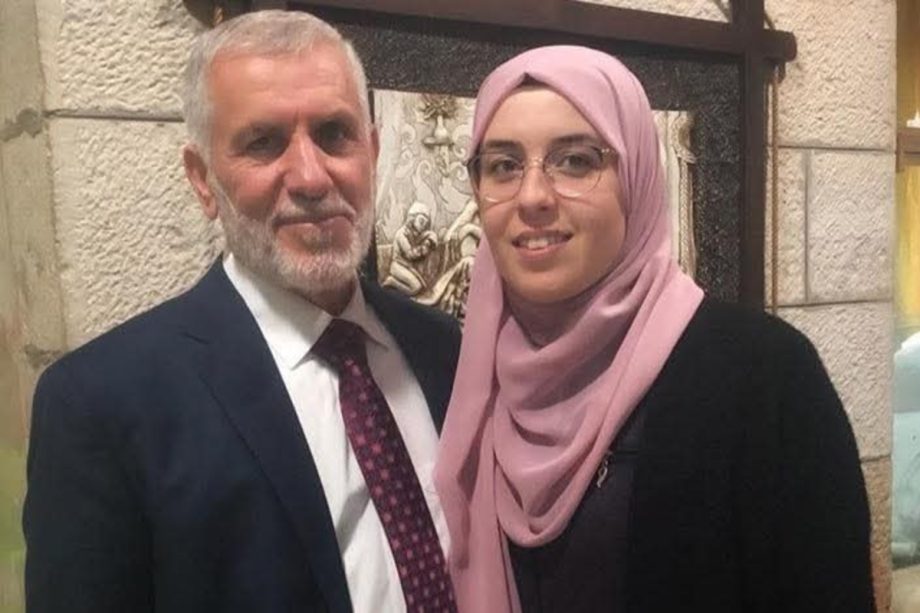
February 12, 2026 – Palestine –
A veteran Palestinian journalist has been re-arrested by Israeli authorities just weeks after being freed in a high-profile prisoner exchange deal, prompting criticism from media freedom advocates and human rights groups who say the move undermines negotiated releases and raises serious concerns about the treatment of journalists in detention.
The journalist, whose identity has not been widely publicised in international media due to security and privacy considerations, was originally released in January 2026 as part of a prisoner swap agreement between Palestinian groups and Israeli authorities. Such exchanges are often brokered amid wider negotiations involving hostages, political detainees, and detainees held under security-related charges, and are seen as rare humanitarian outcomes in the context of long-standing conflict.
According to Middle East Monitor, the journalist was detained again at a checkpoint in the occupied West Bank on 11 February 2026. Israeli security forces reportedly handed her over to the Shin Bet domestic security service for questioning and subsequent detention, citing unspecified “security concerns.” The specific basis for the re-arrest has not been disclosed by official Israeli sources.
Palestinian media outlets and rights advocates described the re-arrest as a betrayal of the spirit of the prisoner exchange and a punitive action against a journalist whose work had included reporting on social and political issues in the region. Supporters emphasised that she should not be treated as a security threat simply for exercising journalistic duties or for being included in earlier negotiations.
Details reported by Kayhan and other regional sources echoed accusations that the re-detention may be linked to past charges or allegations that had initially led to her incarceration. Some commentators suggested that Israeli authorities are using procedural mechanisms to re-arrest individuals deemed sensitive or potentially influential, even after formal agreements have secured their release. No official statement from Israeli authorities has directly addressed these assertions at the time of reporting.
Press freedom advocates have condemned the incident, warning that re-detention after a negotiated release can deter future agreements and erode trust in mechanisms designed to secure the freedom of prisoners of conflict. They argue that journalists should be recognised first and foremost as civilians entitled to protection under international humanitarian law, rather than as ongoing security liabilities.
The re-arrest also highlights broader concerns about the legal and security framework governing journalist detentions in the occupied territories, where accusations of security violations are frequently levied against media workers, critics, and civic activists. Observers say it underscores the precarious position of journalists operating in contested areas and the potential for legal processes to be used against them repeatedly, even after negotiated releases.
International advocacy groups and media rights organisations are calling for transparency regarding the charges, due process, and immediate clarification of her legal status, stressing that arbitrary re-detention could set a troubling precedent for other journalists previously freed through diplomatic measures.
Reference –
Palestinian female journalist re-arrested after previous release in exchange deal