Press Freedom in Indonesia Under Strain as Journalists Face Escalating Threats
January 19, 2026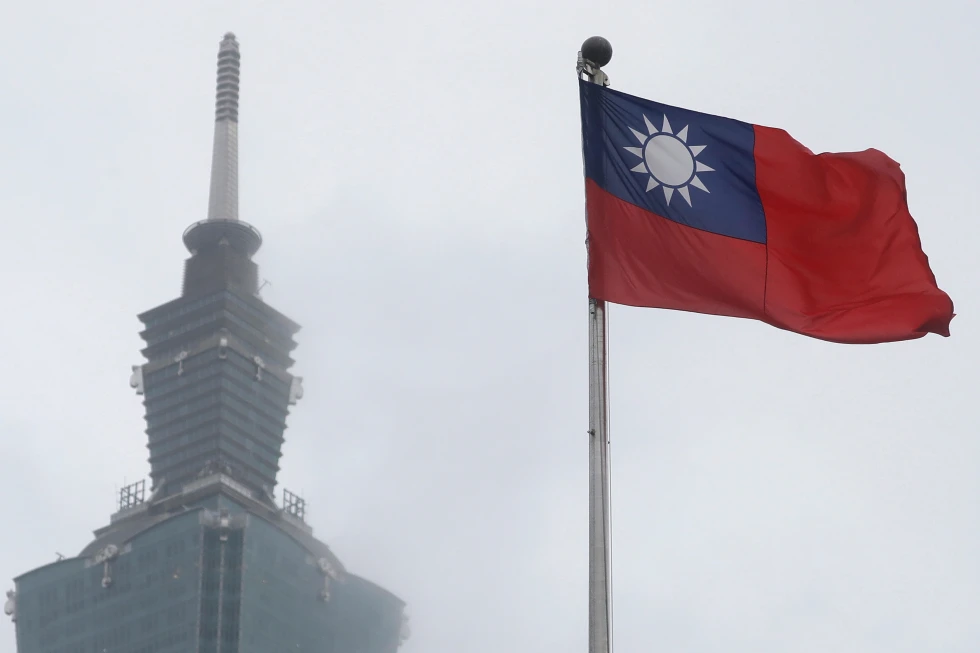
Taiwanese Journalist Detained Over Alleged Bribery to Obtain Military Information for China
January 19, 2026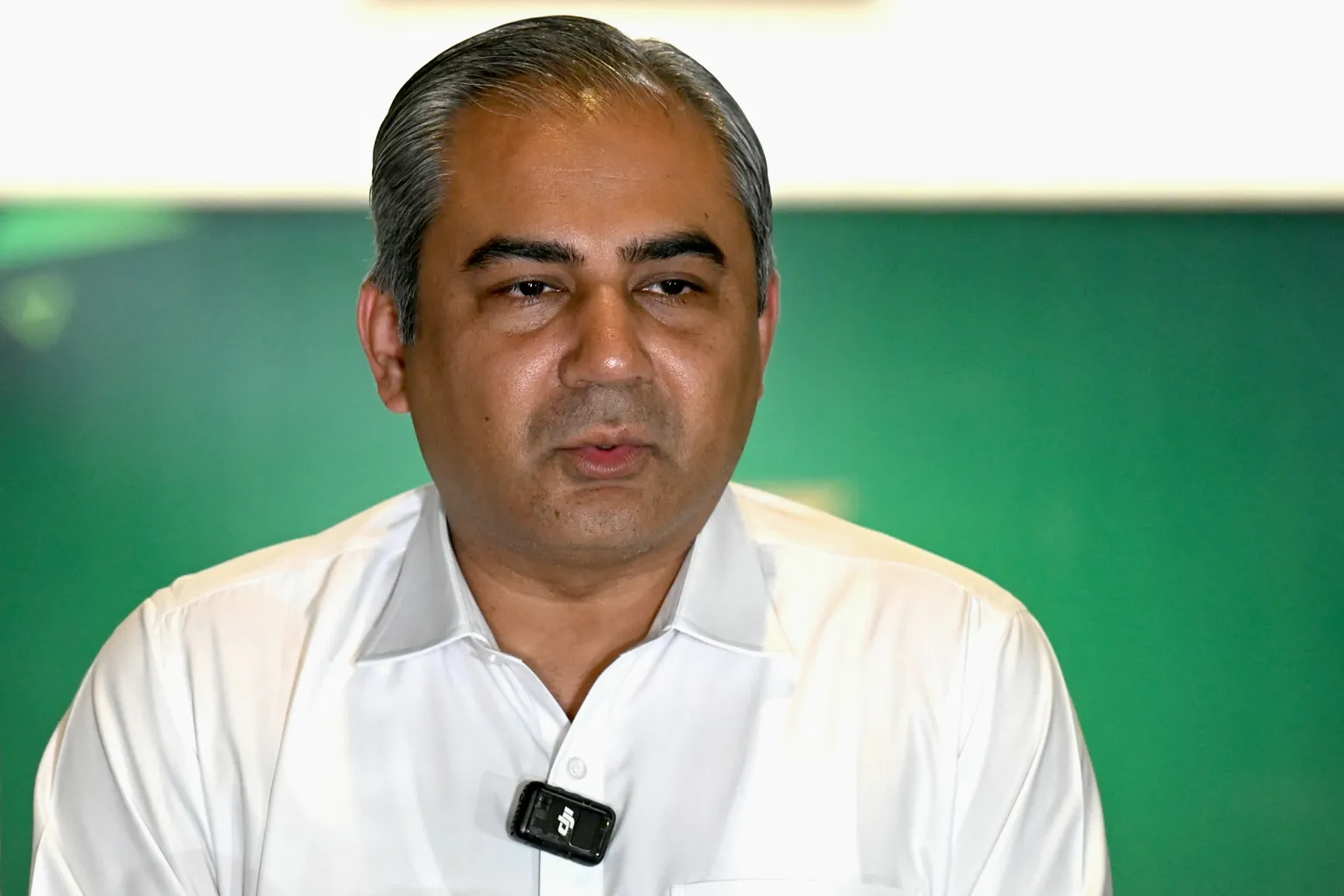
January 19, 2026 – Pakistan –
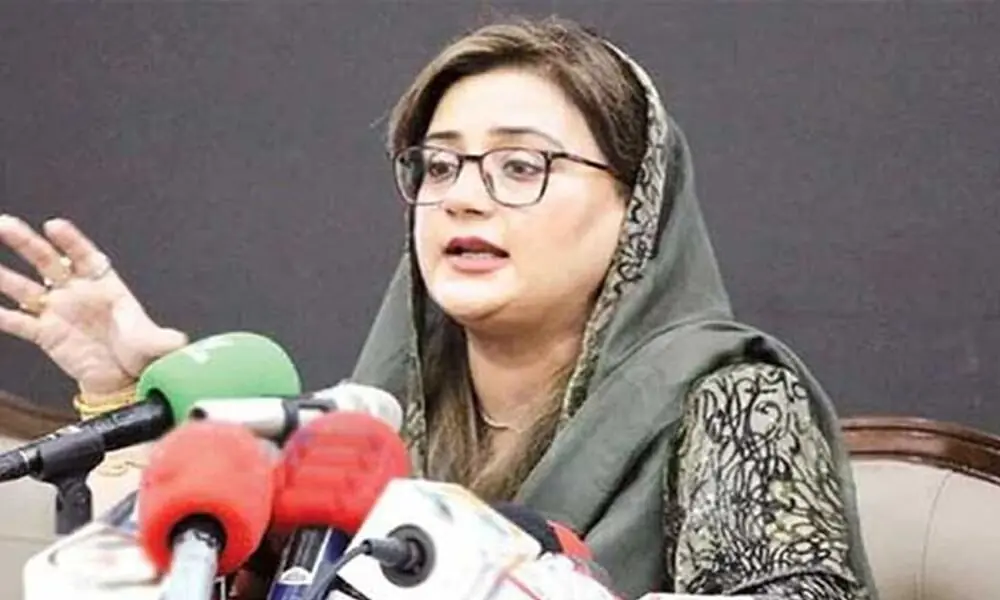
The Government of Pakistan has significantly escalated its use of in absentia convictions and arrest warrants against journalists and commentators living abroad—an expansion of legal pressure that underscores growing state efforts to suppress critical reporting beyond its borders. These developments, highlighted in recent coverage by the Committee to Protect Journalists (CPJ) and corroborated by regional news outlets, have alarmed press freedom advocates and independent media observers.
In early January 2026, an anti-terrorism court in Islamabad convicted four foreign-based Pakistani journalists and commentators in absentia in connection with their coverage of violent protests in May 2023 that followed the arrest of former Prime Minister Imran Khan. The court handed each defendant two life sentences plus 35 years in prison with substantial fines, charging them with inciting violence and hatred against state institutions under Pakistan’s Penal Code and the Anti-Terrorism Act, 1997. The defendants—Sabir Shakir, Shaheen Sehbai, Wajahat Saeed Khan, and Moeed Pirzada—had not been formally notified of charges, summons, or hearings, and were not present in court due to their residence abroad.
These in absentia rulings have drawn sharp criticism from press freedom organisations. CPJ and other media rights advocates argue that proceeding without notifying the accused, providing evidence, or allowing legal representation is incompatible with constitutional protections and Pakistan’s international human rights obligations, including the International Covenant on Civil and Political Rights. The convicted journalists have publicly rejected the verdicts, describing them as politically motivated attempts to intimidate critics and stifle dissent.
In addition to these convictions, Pakistani authorities issued an arrest warrant in December 2025 for another exiled journalist accused of spreading propaganda about the military, further expanding the scope of legal actions targeting journalists overseas. Interior Minister Mohsin Naqvi had earlier announced a broad crackdown on social media users, vloggers, and journalists accused of spreading “fake news,” warning that overseas critics would be brought to justice.
Affected journalists assert that these prosecutions extend beyond legitimate legal action and represent transnational repression of media workers for their critical commentary on political developments in Pakistan and on state institutions. Observers contend that using anti-terrorism laws and national security charges to target journalists abroad sets a troubling precedent that may chill independent reporting and embolden similar approaches elsewhere.
Reference –
Harassed at home, convicted abroad: Pakistan steps up prosecution of overseas journalists