Former Army Employee Charged in U.S. Classified Leak Case Involving Journalist
April 11, 2026
Sahan Journal Wins Prestigious Columbia Award for Community-Centered Reporting
April 12, 2026
April 11, 2026 – Turkey –
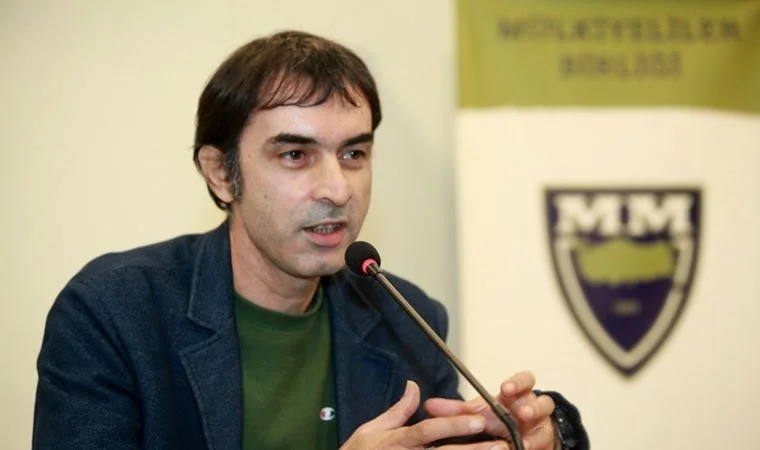
Turkey’s authorities are continuing to expand their use of online censorship and legal proceedings against journalists living in exile, with digital restrictions increasingly used to limit their ability to reach audiences inside the country, according to Reporters Without Borders (RSF). The organisation says these measures form part of a broader, sustained campaign to silence critical reporting beyond Turkey’s borders.
RSF reports that at least five journalists in exile have had their social media accounts blocked or restricted within Turkey, effectively cutting off access to domestic audiences. In several cases, authorities have justified the measures on national security grounds, while also pursuing long-running criminal cases against the same reporters. Some of these proceedings have stretched over a decade, with journalists facing potential prison sentences if they return to Turkey or if rulings are enforced in absentia.
The targeted journalists include well-known exiled reporters and commentators who have continued to publish investigations into sensitive topics such as government policies, foreign relations, and alleged intelligence activities. RSF says that even when journalists operate entirely abroad, Turkish authorities are increasingly treating their online content as grounds for prosecution or censorship.
The organisation describes this trend as part of a “transnational” expansion of press suppression, in which legal pressure and digital restrictions combine to limit access to independent information within Turkey. It warns that blocking social media accounts, in particular, has become a routine mechanism for preventing audiences in Turkey from viewing reporting considered critical of the government.
Press freedom groups argue that these practices contribute to a wider climate of intimidation affecting both domestic journalists and those in exile. They say the use of vague legal categories such as “national security threats” or “disinformation” allows authorities broad discretion to restrict journalistic activity.
Turkey continues to rank among the countries facing the most severe press freedom challenges in Europe, with watchdogs citing a combination of judicial harassment, online censorship, and economic pressure on media outlets. Critics argue that the cumulative effect of these measures is a shrinking space for independent journalism, both inside the country and abroad.
RSF is calling on Turkish authorities to end what it describes as an “oppressive policy” of transnational censorship and to ensure that journalists, including those in exile, are not prosecuted or silenced for their reporting.
Reference –
https://rsf.org/en/online-censorship-t%C3%BCrkiye-s-crackdown-journalists-exile-continues