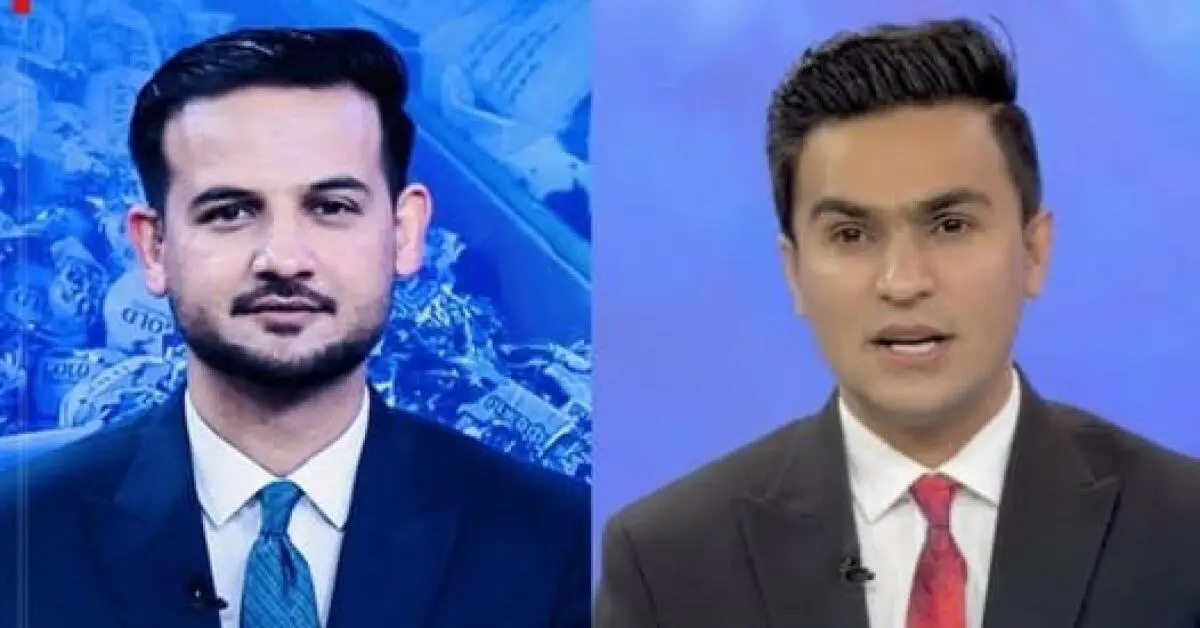
Taliban Detain Two Tolo News Journalists in Kabul Amid Continued Crackdown on Media
May 11, 2026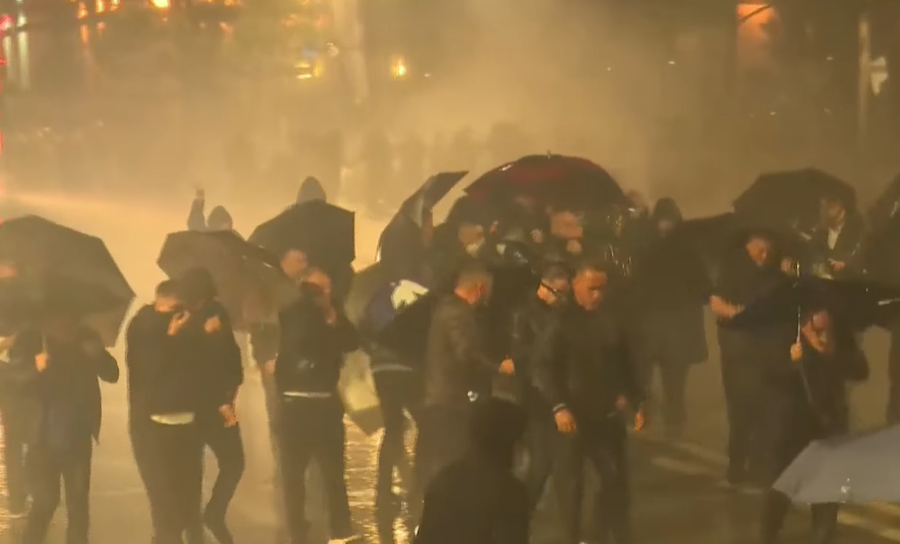
Albanian Opposition Protest Escalates as Police Use Water Cannon and Tear Gas, Media Workers Caught in Clashes
May 11, 2026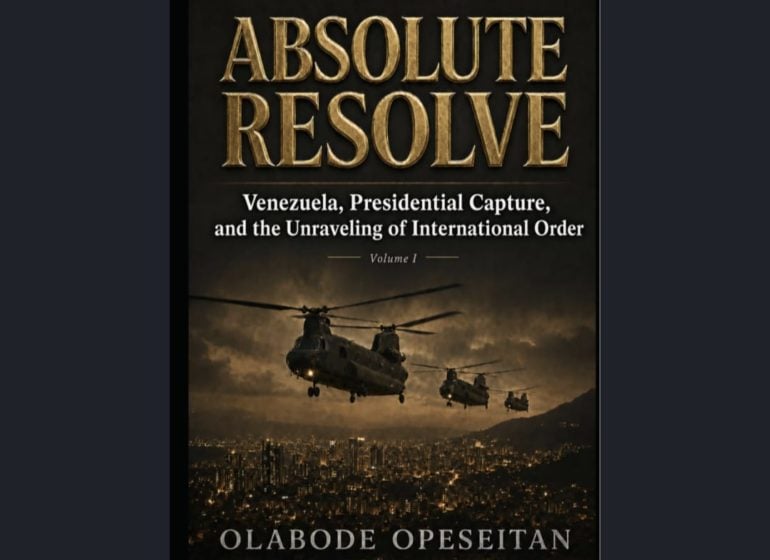
May 11, 2026 – Nigeria –
A Nigerian journalist has launched a new book examining the geopolitical consequences of the United States’ controversial capture of Venezuelan President Nicolás Maduro, focusing on how the event is reshaping debates on sovereignty, international law, and global power dynamics.
According to the report, the book explores the implications of the U.S. military-led operation that resulted in Maduro being taken into custody and brought to the United States to face federal charges. The author frames the incident as more than a regional crisis, presenting it as a turning point in how global order and state sovereignty are being interpreted in practice.
The publication argues that the operation has intensified international concerns about unilateral military action and the weakening of established multilateral frameworks. It highlights how the seizure of a sitting head of state without broad international authorization has raised questions among legal scholars and policymakers about the stability of existing global norms.
In its analysis, the book situates the Venezuela incident within a broader pattern of shifting global power, where major states increasingly act outside traditional diplomatic and legal constraints. It suggests that such actions contribute to a more fragmented international system, where enforcement of rules depends increasingly on geopolitical influence rather than shared institutional agreement.
The author also examines reactions from different regions, noting that responses to the U.S. operation have been sharply divided. Some governments and analysts view it as accountability for alleged criminal conduct. In contrast, others interpret it as a violation of sovereignty and a precedent that could normalize cross-border coercive interventions.
The book further discusses the wider implications for developing countries, arguing that weaker states may face increased vulnerability in a system where powerful nations can act unilaterally under security or legal justifications. It raises concerns that this could accelerate a shift away from collective decision-making structures toward competing blocs of power.
Overall, the work positions the Maduro case as a lens through which to examine evolving global norms, warning that the erosion of consistent international rules may deepen instability and reshape diplomatic relations in the years ahead.
Reference –
Nigerian journalist launches book on US capture of Maduro, impact on global order