
White House Escalation Against Journalists Raises New Fears for U.S. Press Freedom
December 6, 2025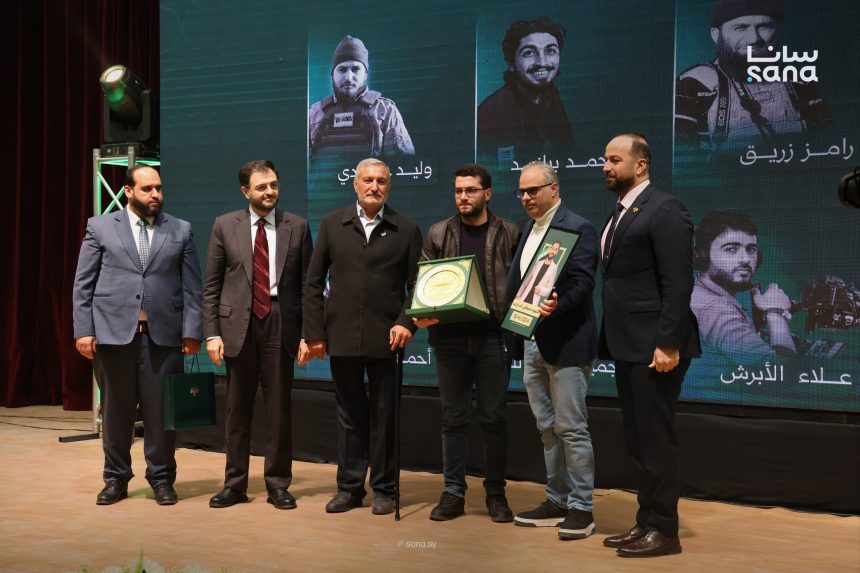
Syria Honors Journalists Killed Amid 2024 Conflict A Pause to Remember Lives Lost
December 6, 2025
December 06, 2025 – Sudan –
With Sudan’s war pushing the country into a near-total media blackout, a new journalism fellowship has been launched to strengthen human-rights reporting and restore reliable information flows at a critical moment. The initiative, announced by Sudan Tribune, seeks to counter the collapse of independent media by equipping journalists inside and outside the country with resources, training, and a platform to document abuses that might otherwise go unreported.
The program — part of a wider cross-border accountability network — will run from December 2025 to February 2026. Eight journalists will be selected from Sudan and neighbouring host countries, including Egypt, Uganda, Ethiopia, Chad, and South Sudan. The fellows will contribute to a joint newsroom dedicated to investigating violations committed by all parties in the conflict, tracking humanitarian conditions, and challenging misinformation that proliferates in the absence of verifiable reporting.
Organizers say the fellowship is designed not only to generate in-depth reporting but also to rebuild journalistic capacity that has deteriorated amid violence, displacement, and repression. Participants will receive virtual training in trauma-informed journalism, digital and physical safety, investigative skills, and verification techniques — areas where many Sudanese journalists have had limited access since the war began. They will also be provided with communications support and basic equipment such as internet bundles and reporting “go-kits,” enabling them to work despite ongoing infrastructure breakdowns.
The fellowship arrives as Sudan experiences one of the world’s worst humanitarian crises, with millions displaced, widespread atrocities documented, and severe restrictions placed on media. Press freedom groups warn that the near-absence of independent reporting has allowed armed groups to operate with impunity and has left civilians vulnerable to propaganda and information manipulation.
By empowering journalists to work collaboratively across borders, project partners hope to fill this vacuum and generate evidence-based reporting that can support international accountability efforts. The initiative also aims to protect journalists themselves by offering structured support, mentoring, and safer reporting frameworks.
For many Sudanese reporters, the fellowship represents a rare opportunity — not only to continue working in a fractured media landscape but to ensure that the stories of communities affected by violence are documented, preserved, and heard. As the conflict deepens, the program stands out as a crucial attempt to ensure truth survives where traditional media have been silenced.
Reference –