An emerging pattern of organised neo-Nazi activity within Russia is drawing attention for targeting journalists and symbols of independent reporting, reflecting broader threats to media freedom and civil society in the country. According to an analysis published by United24 Media, neo-Nazi groups with a history of glorifying violence and extremist ideology have been linked to repeated attacks on sites commemorating reporters who challenged state narratives and exposed abuses.
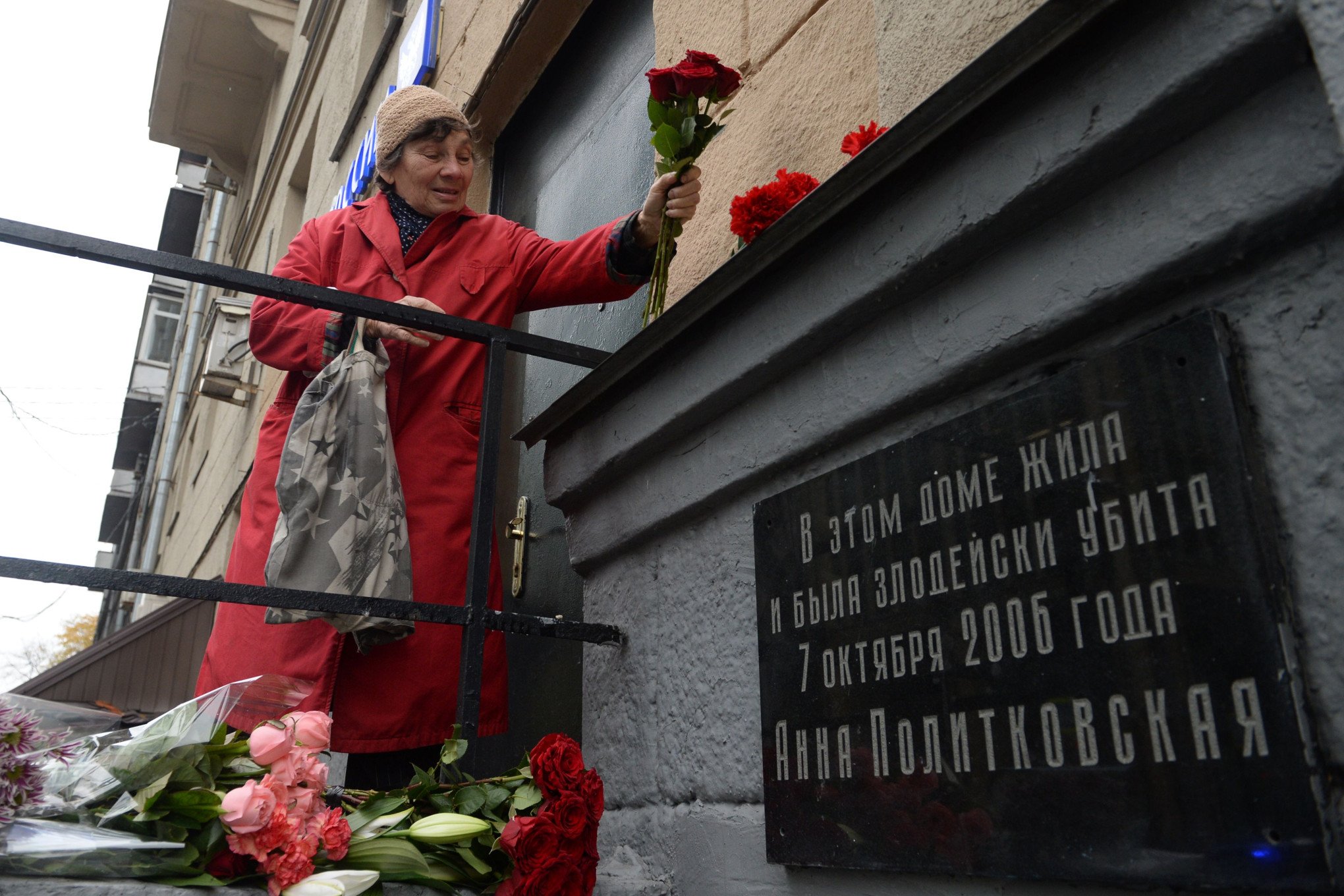
A prominent example highlighted in the report is the repeated defacement of a memorial to slain Russian investigative journalist Anna Politkovskaya in Moscow. Politkovskaya — known for her courageous coverage of human rights abuses and war crimes, particularly in Chechnya — was murdered in 2006 in what many press freedom advocates describe as a politically motivated killing. Neo-Nazi sympathisers reportedly vandalised the plaque marking her final residence, tearing it down shortly after it was erected and posting images of the actions in closed extremist channels. These acts, attributed to groups such as National Socialism / White Power (NS/WP), underscore how far-right networks in Russia continue to operate with relative impunity and to deploy intimidation against journalists and their legacies.
Observers note that these developments do not occur in a vacuum: far-right and ultra-nationalist currents have a longstanding presence in Russia, with neo-Nazi elements emerging from white power skinhead movements in the 1990s and maintaining a foothold in violent extremist circles. While some groups like the National Socialist Society (NSO) were formally banned in past decades, successor formations and informal networks have continued to espouse racist, xenophobic, and violent ideologies. Such extremist movements historically have targeted not only ethnic minorities but also journalists and civil society figures perceived as threats to their worldview.
The renewed attacks on symbols of independent journalism reveal tensions between these fringe extremist factions and broader debates over media freedom in Russia’s tightly managed political environment. Critics argue that authorities have at times been more focused on controlling dissenting voices than on confronting the spread of extremist violence from within, allowing hostile actors to escalate campaigns against journalists with minimal consequences.
Media freedom advocates and human rights organisations warn that the persistence of neo-Nazi networks targeting journalists and historical sites of press courage reflects a hostile climate for independent media and civil liberties. They call for proactive measures to investigate and dismantle such groups and to protect journalists and historical memory from ideologically driven intimidation.
Reference –
https://united24media.com/world/inside-russias-growing-neo-nazi-networks-that-target-journalists-15457