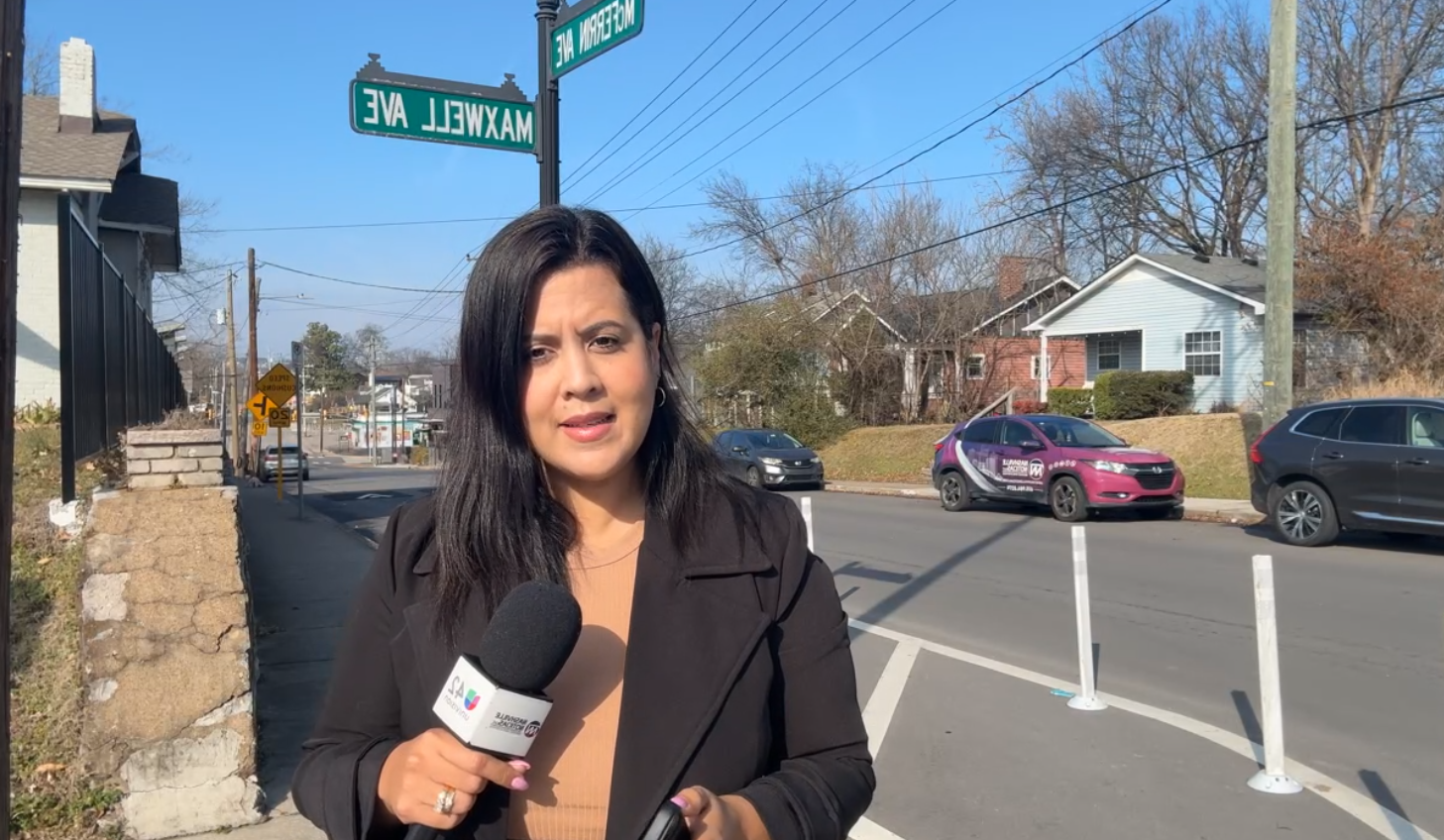
A Nashville-based journalist has been released from U.S. Immigration and Customs Enforcement (ICE) custody after more than two weeks in detention, following a legal battle that raised significant concerns over press freedom and due process.
Estefany Rodríguez, a Colombian reporter working for the Spanish-language outlet Nashville Noticias, was detained on March 4, 2026, in Tennessee. Her arrest came shortly after she reported on immigration enforcement activities, prompting her legal team and advocacy groups to argue that the detention may have been retaliatory in nature.
Rodríguez was transferred between detention facilities in Alabama and Louisiana, where her lawyers say she faced difficult conditions, including periods of isolation and limited access to legal counsel. Court filings allege that she was detained without proper legal justification, while authorities maintained that her arrest was linked to immigration status violations.
An immigration judge initially ruled that Rodríguez could be released on a $10,000 bond. However, her release was briefly delayed as federal authorities intervened, prolonging her detention and adding complexity to ongoing legal proceedings. The delay also slowed progress in a parallel federal lawsuit challenging the legality of her arrest and detention.
Rodríguez was ultimately released after approximately 15 to 16 days in custody, returning to her family while continuing her legal fight to remain in the United States. Her attorneys are now seeking additional protections to prevent similar actions in the future, including measures against potential mistreatment or re-detention.
The case has drawn widespread criticism from press freedom organizations and immigration rights advocates, who warn that the detention of a working journalist could have a chilling effect on reporting, particularly among non-citizen journalists covering sensitive topics such as immigration enforcement. Critics argue that such actions risk undermining the ability of the press to operate independently and hold authorities accountable.
U.S. officials have denied that Rodríguez was targeted because of her reporting, stating that enforcement actions were carried out in accordance with immigration law. Nevertheless, the incident has intensified scrutiny of the intersection between immigration enforcement and press freedom.
As legal proceedings continue, Rodríguez’s case highlights broader tensions surrounding the rights of journalists operating within complex legal and political frameworks, particularly when their reporting intersects with government enforcement activities.
Reference –
Immigration judge rules Nashville journalist can leave detention, but ICE intervenes
https://tennesseelookout.com/briefs/nashville-journalists-release-from-ice-detention-delayed-slowing-action-in-federal-lawsuit/
https://www.theguardian.com/us-news/2026/mar/19/journalist-detained-ice-released