Afghan Journalists Detained in Pakistan Amid Rising Deportation Risks
February 2, 2026
Amnesty Sounds Alarm on Health of Jailed Azerbaijani Journalists in Meydan TV Case
February 2, 2026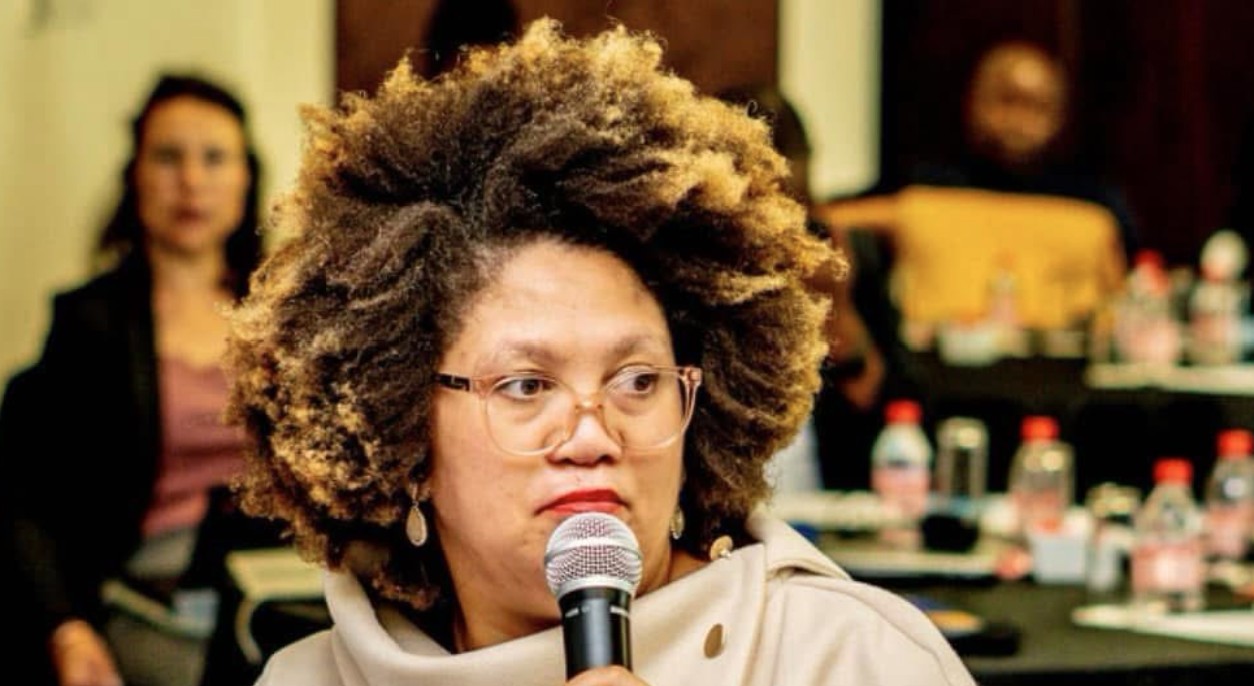
February 02, 2026 – Namibia –
A senior Namibian journalist was forcibly removed from a government press briefing and threatened with arrest after posing a critical question to President Hage Geingob about the nation’s burgeoning oil and gas industry, raising alarm among media freedom advocates. The incident took place on January 30, 2026, at a State House event where journalists were gathered to hear from the President and government ministers about national development priorities.
Jemima Beukes, a senior reporter with The Namibian newspaper and host of a current affairs programme, asked Geingob direct questions about transparency and accountability in the emerging petroleum sector, which has drawn intense public interest following recent offshore oil discoveries. According to the press freedom group, the International Press Institute (IPI) and local reports, event organisers reacted angrily to her line of inquiry, insisting it was inappropriate and not on topic with the prepared remarks.
After a heated exchange with officials accompanying the President, Beukes was reportedly ordered to leave the venue. Security personnel escorted her from the press area and allegedly hinted that her continued presence could result in detention, prompting concern from colleagues who viewed the response as disproportionate and intimidating. Beukes later described the treatment as “humiliating and unnecessary,” insisting her question was well within the bounds of legitimate public interest journalism.
The Namibian chapter of the Media Institute of Southern Africa (MISA) condemned the removal and the suggestion of arrest, calling it an infringement on press freedom and a worrying example of official intolerance toward critical reporting. MISA noted that journalists play a crucial role in fostering transparency in governance, particularly on issues like natural resource management that have significant economic and social implications.
Local media outlets also highlighted that invitations to the event did not explicitly restrict questions, and that Beukes’s reporting has long centred on governance and accountability. Several press associations have expressed solidarity with her, warning that punitive reactions to legitimate journalistic questions could undermine the cultivation of a free and robust media environment in Namibia.
In response, State House spokespeople have defended the security team’s actions as necessary to maintain order during official briefings, while avoiding direct comment on whether Beukes faced any formal threat of arrest. The episode has nevertheless reignited debate in the country over media rights, access to political leaders, and the boundaries of press freedom in public fora.
Reference –