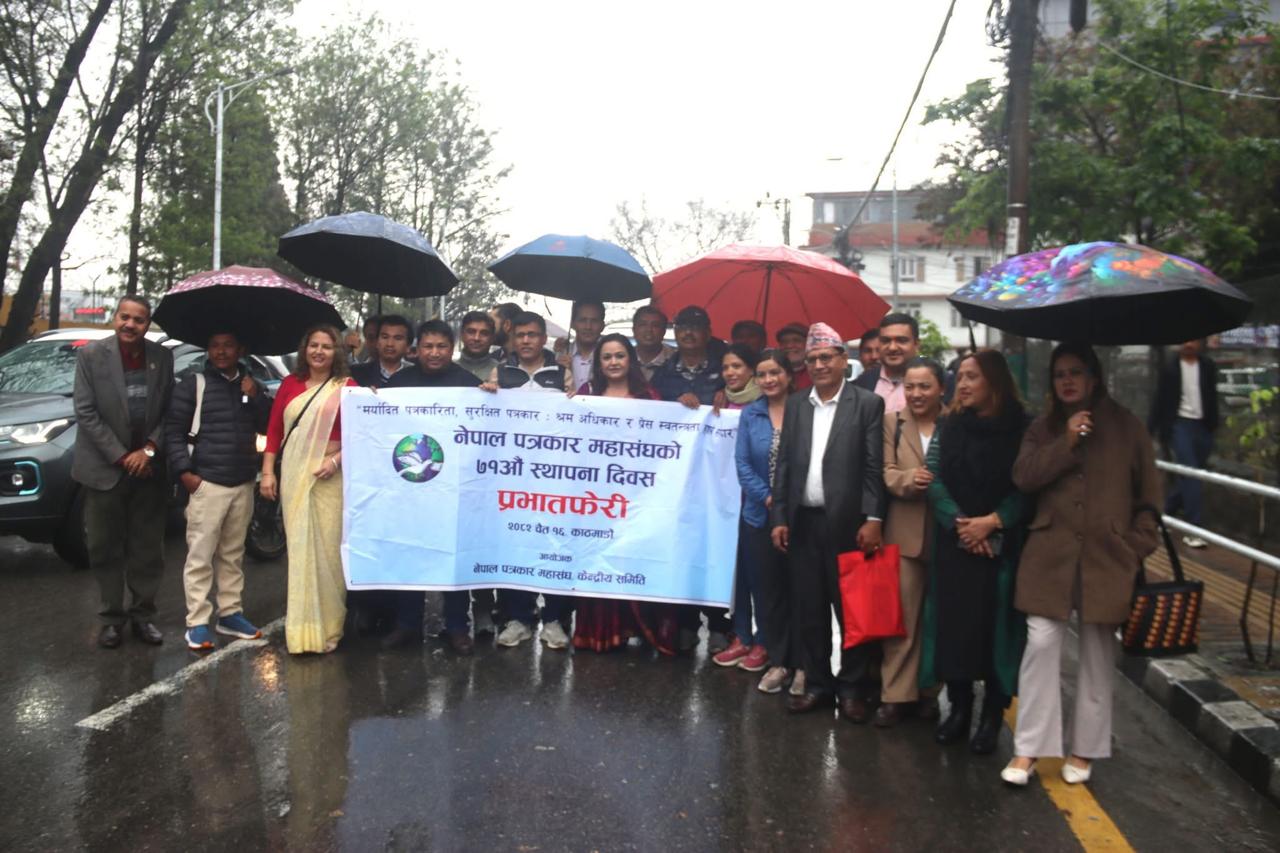
Nepal Journalists Federation Marks Anniversary by Honoring Six Reporters
March 31, 2026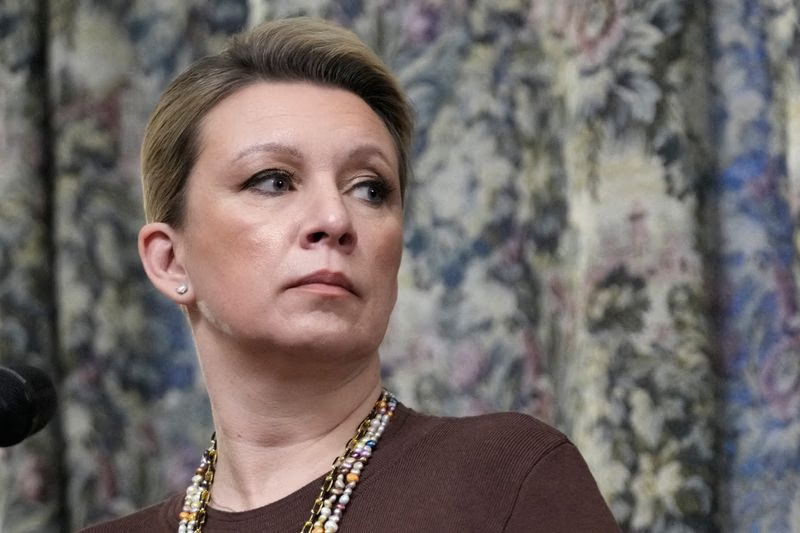
Russia Moves to Expel Dutch Journalist Amid Diplomatic Tensions
April 1, 2026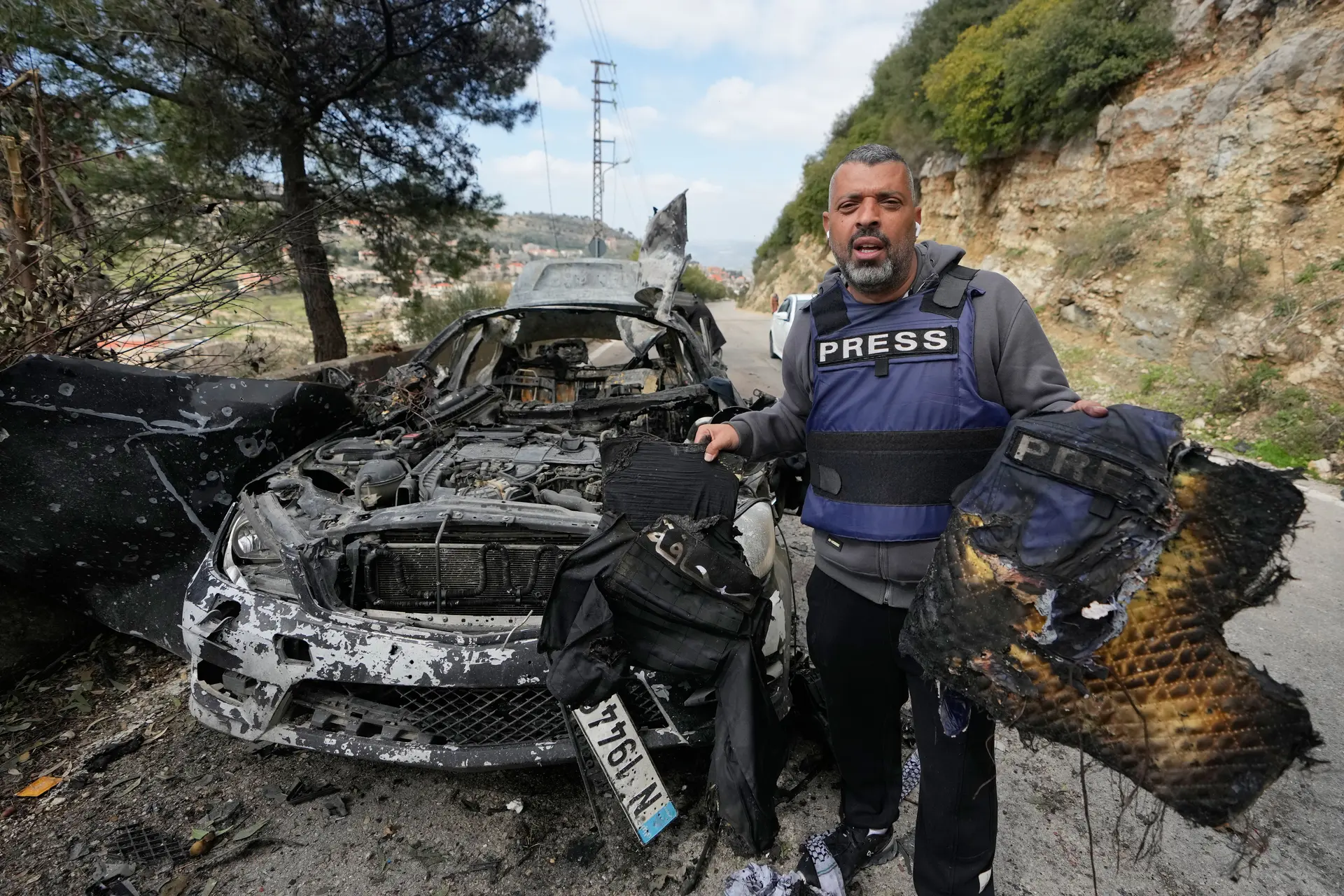
March 31, 2026 – Lebanon/Iran –
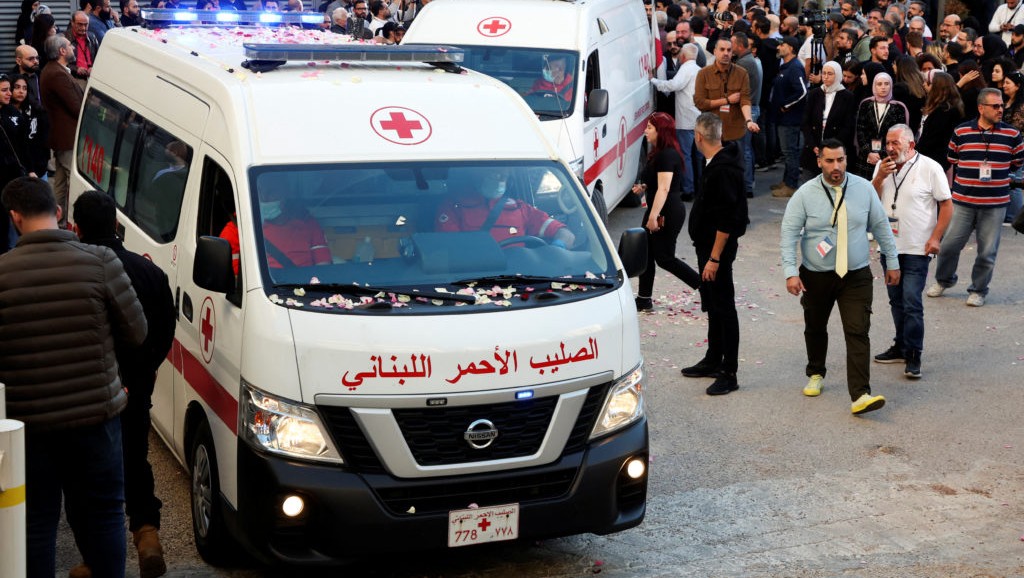
At least 11 journalists have been killed in Israeli strikes since the start of the current regional war, underscoring the growing risks faced by media workers covering one of the most volatile conflicts in recent years. A new report highlights how the escalation has increasingly drawn journalists into the line of fire, particularly in Lebanon, where many of the fatalities have occurred.
According to the report, the majority of those killed were working in southern Lebanon and Beirut, areas that have seen sustained Israeli airstrikes targeting Hezbollah-linked infrastructure. Among the victims were journalists affiliated with outlets such as Al-Manar and Al-Mayadeen, as well as freelance reporters operating in high-risk environments. Several were killed while on assignment, often in clearly identifiable media vehicles or while reporting from active strike zones.
One of the most recent incidents involved the killing of multiple journalists in the southern Lebanese town of Jezzine, an attack that drew widespread condemnation from press freedom organizations and Lebanese officials. Critics argued that the strike raised serious questions about adherence to international humanitarian law, which explicitly protects journalists as civilians during armed conflict.
The report also noted that at least five of those killed were linked to Al-Mayadeen, a Beirut-based pan-Arab broadcaster. While some of the outlets targeted have political affiliations, media advocates stress that journalists working for such organizations remain civilians under international law and must not be treated as combatants.
Lebanese officials have strongly condemned the killings. President Joseph Aoun described the attacks as a “blatant crime,” while Information Minister Paul Morcos called them a deliberate violation of international protections afforded to journalists. These reactions reflect broader alarm across political divides in Lebanon over the increasing danger facing the press.
The findings align with wider documentation by press freedom groups, which have recorded killings, injuries, detentions, and damage to media infrastructure since the war began. Analysts warn that as the conflict expands geographically and intensifies militarily, journalists are facing a shrinking margin of safety, with fewer guarantees that clearly marked press activity will shield them from harm.
Taken together, the report presents a stark picture of modern war reporting, where journalists are not only witnesses to conflict, but increasingly among its casualties.
Reference –