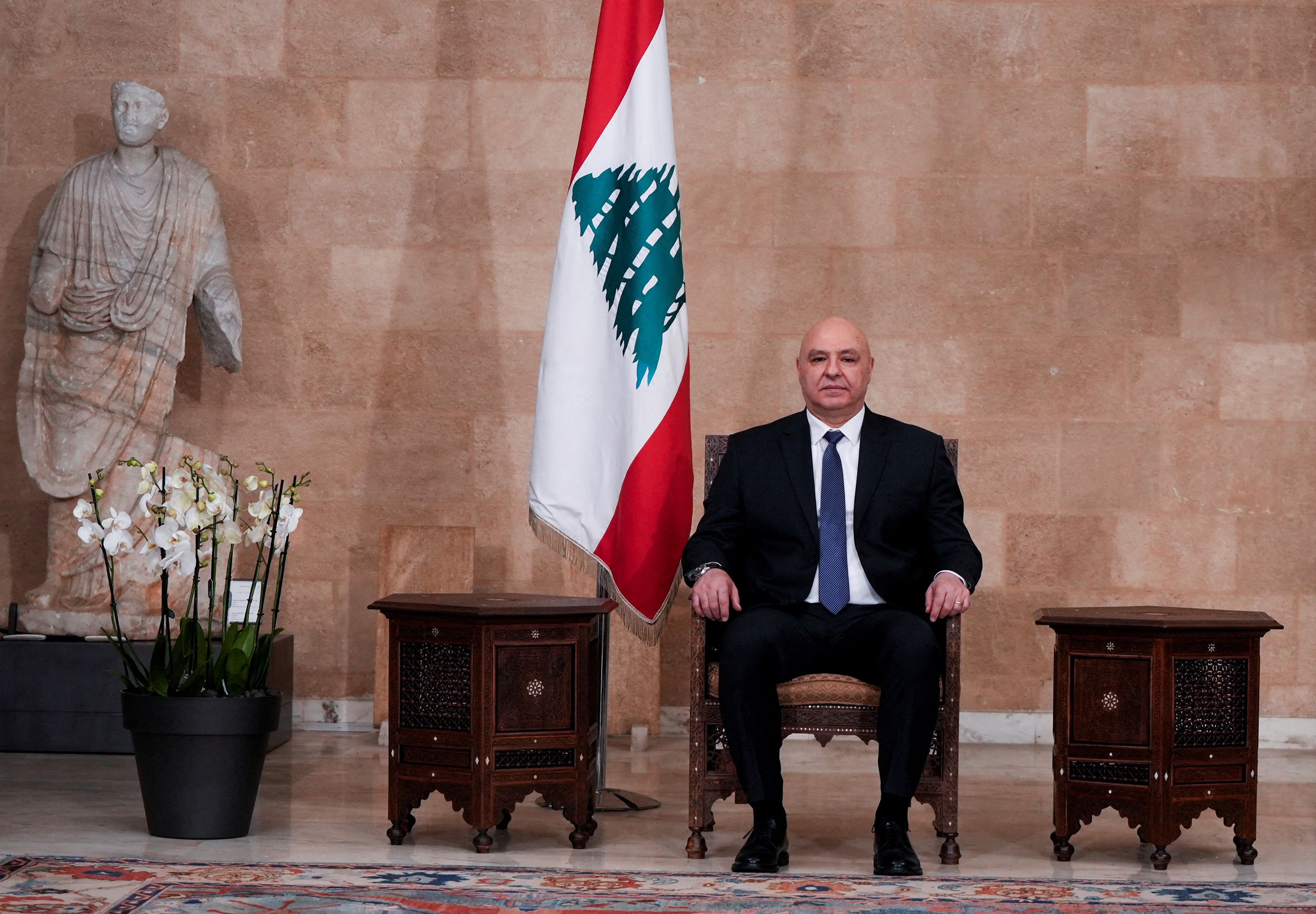
In Lebanon, a prominent journalist has been targeted by authorities for publicly criticising President Joseph Aoun’s political stance, drawing renewed debate over freedom of expression and the treatment of media professionals amid ongoing political tensions. Lebanese pro-resistance commentator Hassan Illaik was summoned by a military or investigative judicial body after the publication of a video sharply criticising Aoun’s approach to national sovereignty and security. The summons, issued in late January 2026, alleges that Illaik’s comments amounted to “insulting the president,” a charge that critics say undermines basic rights to free speech.
Illaik disclosed via social media that he was informed by investigators of a pending questioning tied to his remarks about President Aoun, which were posted on his online platform. In the video, he critiqued the presidency’s recent conduct, focusing especially on comments made by Aoun in a speech to foreign diplomats and officials. He challenged the president’s interpretation of recent events — including military developments in southern Lebanon — and labelled government actions as concessions to foreign pressure rather than affirmations of national sovereignty.
The journalist has vowed to resist the legal pressure, asserting that his work and commentary reflect legitimate public concern about Lebanon’s political direction. He has told supporters that he is prepared to face detention rather than remain silent on matters he views as critical to the country’s future. Illaik also held a press briefing highlighting what he called the failure of state leadership to protect sovereignty amid repeated violations by external actors and ongoing internal policy disputes.
Legal experts and civil society observers have noted that the use of military or security-linked judicial processes to pursue defamation or insult charges against media figures blurs the lines between legitimate criticism and unlawful conduct, especially when directed at sitting political leaders. They say such practices risk stifling debate and deterring journalists from covering sensitive topics related to governance and foreign policy.
The incident involving Illaik follows a broader pattern in Lebanon where journalists critical of senior officials or controversial policies have faced summons, legal action, or public condemnation. This case has triggered discussions among press freedom advocates who argue for stronger protections for independent journalism and caution against criminalising political commentary.
The situation remains fluid, and reactions from both supporters and opponents of the president’s policy agenda continue to shape public discourse on the boundaries of media freedom in Lebanon’s complex political landscape.
Reference –
https://www.presstv.ir/Detail/2026/01/26/762952/lebanese-journalist-targeted-president-aoun-pro-us-anti-resistance-agenda