Pakistan’s Media Sector Faces Growing Economic Pressure
May 16, 2026
French Inquiry Revives International Pursuit of Justice for Jamal Khashoggi
May 16, 2026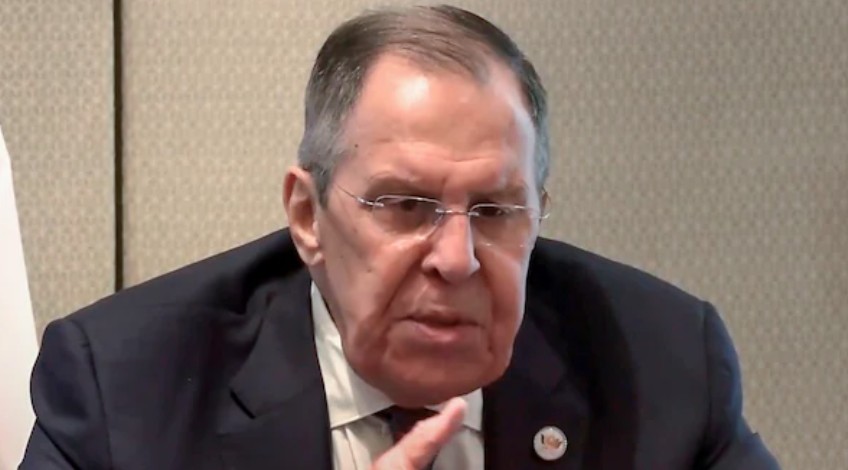
May 16, 2026 – Russia –
A tense exchange involving Russian Foreign Minister Sergey Lavrov and a journalist during a BRICS-related media briefing in New Delhi has sparked renewed discussion about the treatment of reporters during high-level political events and the pressures journalists face while covering international diplomacy.
The incident reportedly occurred during a press interaction when a mobile phone interruption disrupted proceedings as Lavrov addressed journalists. According to multiple reports, the Russian minister reacted sharply to the disturbance and warned that security personnel could respond aggressively if the disruption continued. The remarks quickly circulated online and drew attention because they were directed toward members of the press during an official media engagement.
Witness accounts and reports indicated that the exchange created an uncomfortable atmosphere among journalists present at the briefing. While the comments appeared to be made in frustration over the interruption, critics argued that references implying force against journalists or attendees were inappropriate in a professional press setting. Media observers noted that interactions between political leaders and journalists can become tense during international summits, particularly amid heightened geopolitical scrutiny.
The briefing took place alongside diplomatic discussions connected to the BRICS grouping, where global security, economic cooperation, and international conflicts were among the major topics under discussion. Journalists covering such events often work in crowded and tightly controlled environments, where interactions with senior officials can become highly sensitive.
Press freedom advocates emphasized that journalists must be able to carry out reporting duties without intimidation or hostile treatment, regardless of the political context. Media organizations also highlighted the importance of maintaining respectful communication between public officials and reporters during official briefings, especially at internationally significant events where press access is essential for public accountability.
The incident further fueled broader debate regarding relations between governments and the media in diplomatic settings. Analysts noted that confrontational rhetoric toward journalists has increasingly become a recurring issue in global politics, contributing to concerns about the normalization of hostility toward the press.
Media rights groups continue to stress that journalists covering international affairs often face verbal pressure, restricted access, and politically charged environments while reporting on world leaders and diplomatic negotiations. Advocates argue that protecting professional press conditions remains critical to ensuring transparent and independent coverage of international events.
Reference –