The final two journalists who remained imprisoned in Venezuela have been released from detention, marking a significant milestone in a wider amnesty process that has freed scores of detainees, including media workers, in the wake of recent political changes. The National Union of Press Workers (SNTP) confirmed that Jonathan Carrillo and Pedro Urribarri, long-term prisoners, were released on February 26, 2026, nearly one week after Venezuela enacted a new Amnesty Law aimed at reducing the number of political incarcerations in the country.
Carrillo, who had been imprisoned since July 2022, was freed with precautionary measures, allowing him to leave prison while some legal conditions continue to apply. Urribarri, arrested in May 2025, was granted complete freedom with no remaining detention restrictions. Their release closed the final chapter on journalists who had been detained under arbitrary or politically motivated charges related to their professional activities or activism.
The SNTP’s Marco Ruiz explained that while Carrillo and Urribarri are no longer behind bars, the application of the Amnesty Law leaves uncertainty about which cases will be fully closed or benefit from similar measures going forward. He underscored that although detained journalists are now out of prison, efforts must continue to ensure full legal resolution and restoration of rights for media professionals who were targeted in prior years.
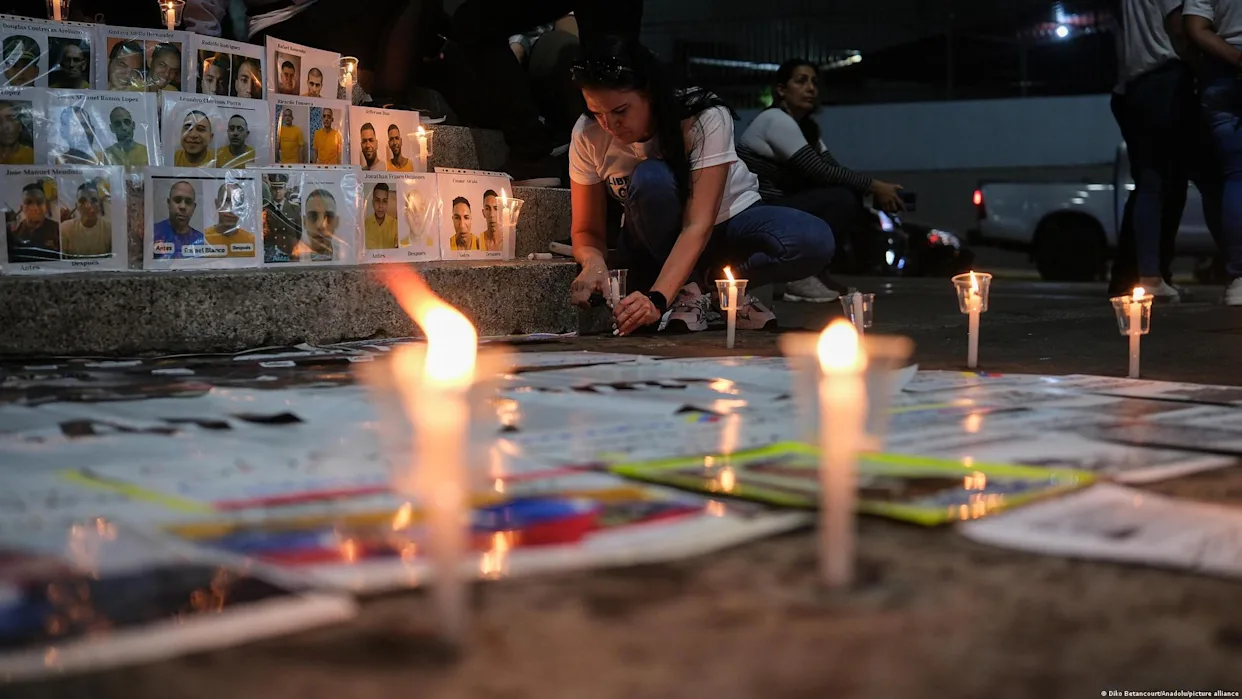
Their liberation caps a broader period of releases that began in January 2026, during which dozens of journalists and press workers held “illegally and arbitrarily” were freed. Reports indicate that approximately 28 journalists and media personnel had been detained in the country before the amnesty process accelerated the release of most of those held.
The amnesty has been part of an attempt by the interim government to reset Venezuela’s political landscape and ease tensions after years marked by repression of independent media and political opponents. Press freedom advocates have welcomed the releases as a positive step, but they also warn that ongoing legal processes, travel restrictions, and lingering cases against some journalists illustrate that challenges to free expression remain in the country.
The release of Carrillo and Urribarri has been noted by rights groups as a rare instance of journalists reclaiming their freedom after prolonged detention, and it highlights the broader struggle for media workers who have faced persecution in one of the hemisphere’s most restrictive environments for press freedom.
Reference –
https://es-us.noticias.yahoo.com/excarcelados-periodistas-venezuela-051000533.html?guccounter=1&guce_referrer=aHR0cHM6Ly9sYXRhbWpvdXJuYWxpc21yZXZpZXcub3JnLw&guce_referrer_sig=AQAAAFi66O8_5xhZb2ChTeFJb70HdTD2XQDiPnYnfSZ3IchU17qmekZ_kR2NsowaIm9IkX0icMEc0ZSWuGhCZYqmFX3GdCJCDTvuTEyO8qC5rnIpfZ6Diopgniahi9nh9mxnD2Henh1oJQ8ueAKardiyRdSKjuDWoATjlp99biFl8b52
Final two journalists imprisoned in Venezuela released