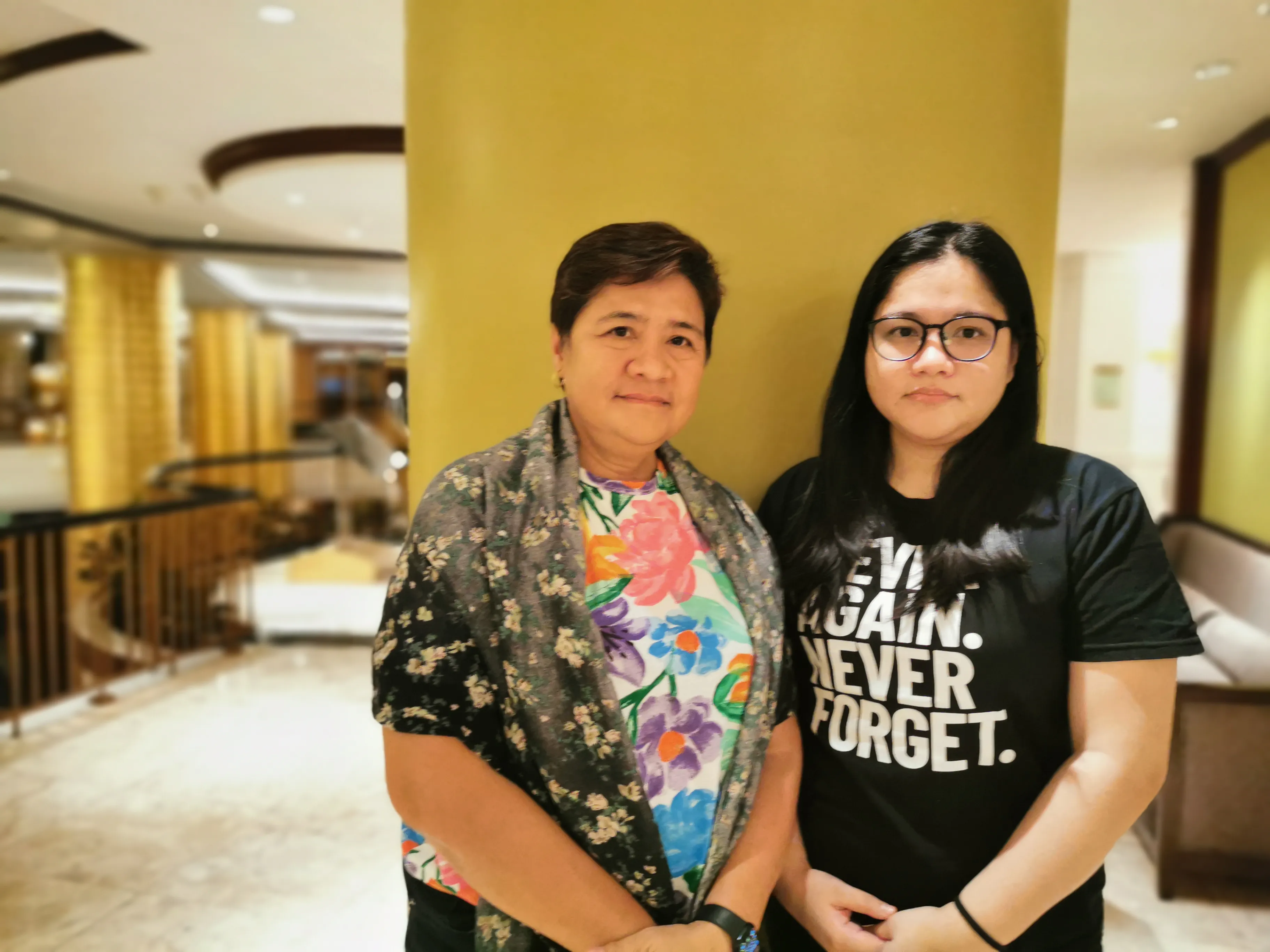
Philippines Environmental Journalist Gerry Ortega Murdered 15 Years Ago; Family Continues Fight for Justice
January 23, 2026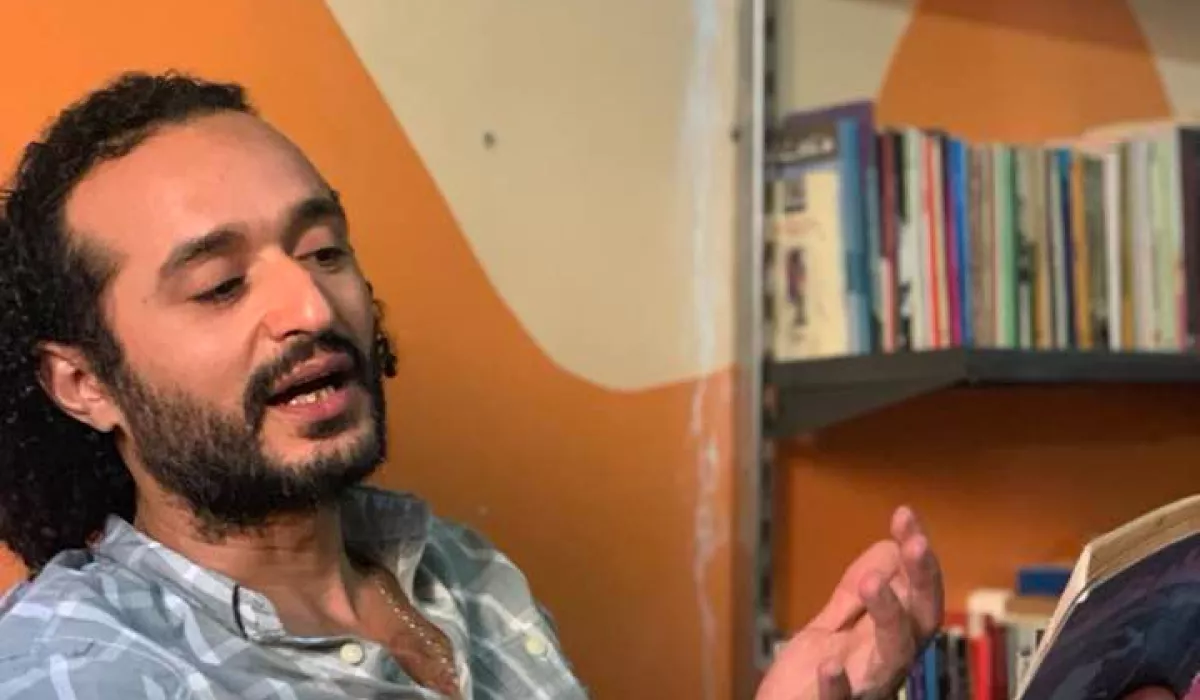
Egyptian Activist and Journalist Ahmed Douma Arrested Amid Ongoing Judicial Harassment and Prison Conditions Reported as Harsh
January 24, 2026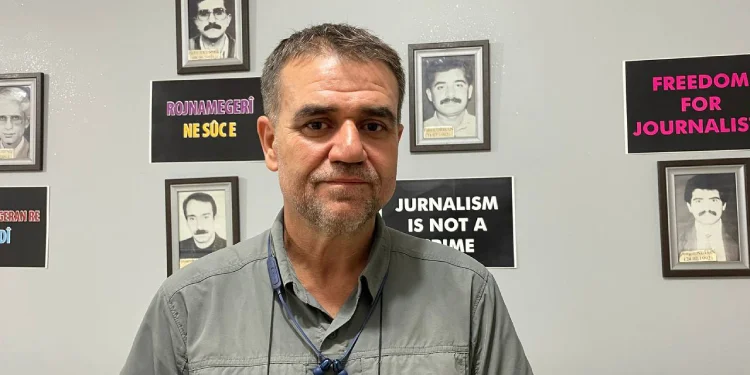
January 23, 2026 – Kurdistan/Turkey –
A Turkish court in Diyarbakır has sentenced Kurdish journalist Serdar Altan to one and a half years in prison on terrorism-related charges arising from his social media posts, in a case that underscores ongoing pressures on critical reporting and digital expression in Turkey. The Diyarbakır 9th High Criminal Court convicted Altan of “disseminating terrorist propaganda”, basing its decision primarily on material he shared on social media platforms, despite his argument that the content constituted news reporting rather than propaganda.
Altan’s conviction followed a retrial of a case originally decided in July 2018, in which he was initially sentenced to the same prison term. That verdict was later overturned by the Diyarbakır Regional Court of Justice, which found the earlier ruling had violated his right to freedom of expression, prompting a return to the lower court for renewed proceedings. In the retrial, the presiding judges reaffirmed the terrorism-related conviction and imposed the term without apparent mitigation for the freedom-of-expression concerns previously cited. Altan has denied the charges throughout the legal process, maintaining that his postings were informational news content not intended to promote or support any banned organisation.
The case adds to a broader pattern of criminal prosecutions targeting Kurdish media workers and journalists in Turkey, where courts frequently interpret anti-terrorism laws to encompass social media writing and reporting on politically sensitive issues, particularly those touching on Kurdish identity and armed conflict. According to press freedom monitors, Turkish authorities have pursued deeply punitive approaches toward journalists for their digital expression, with dozens of media workers detained or convicted under similarly broad charges; Turkey was reported to have detained and prosecuted more journalists than many other countries in 2025, and continues to apply anti-terror statutes in journalism cases.
Supporters of Altan and international rights advocates argue that the heavy use of counter-terrorism charges against journalists stifles dissent and undermines press freedom guarantees. They have repeatedly called on Turkish authorities to reform legal frameworks, respect international free-expression norms, and cease prosecuting journalists for their professional work, particularly when it involves social media commentary or reporting on minority issues. Critics note that such convictions not only punish individuals for digital expression but also have broader chilling effects on media independence and civic discourse in Turkey.
Altan’s sentence will likely draw further scrutiny from press freedom organisations and legal observers, keen to assess how Turkish courts balance counter-terrorism concerns with constitutional and international protections for free expression. The outcome of any subsequent appeals may also shape future cases involving journalists charged over online content.
Reference –
Turkish court sentences Kurdish journalist to prison over social media posts