Exiled Iranian Journalist Kaveh Taheri Held in Turkey Amid Deportation Fears
February 1, 2026
Five Years On: Lebanese Activist Lokman Slim’s Assassination Still Unresolved
February 1, 2026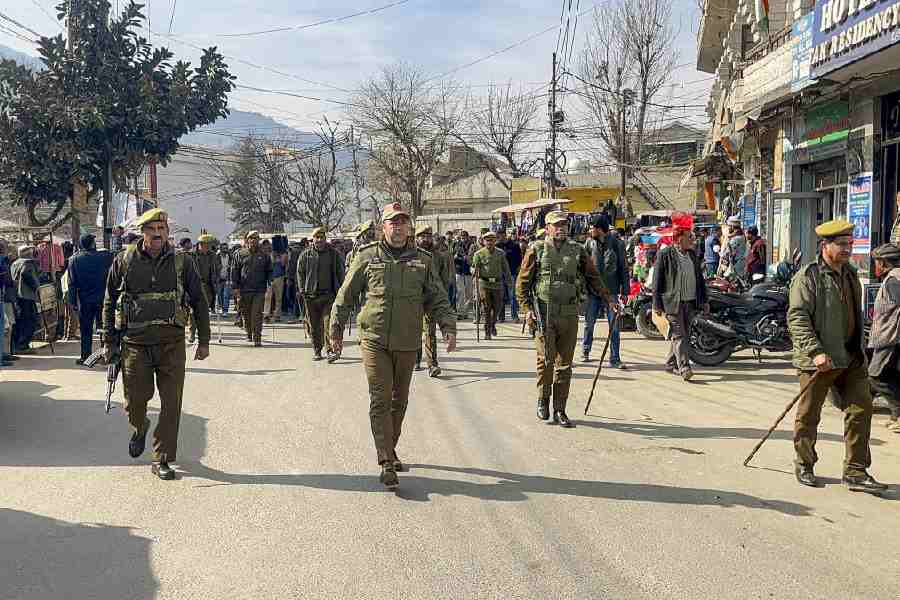
February 01, 2026 – Kashmir –
The detention of freelance journalist Khushal Khawaja in North Kashmir has prompted sharp criticism from regional politicians and opposition parties, who accuse authorities of targeting him for reporting on the closure of a key mountain pass and its severe impact on residents. Police in Kupwara district held Khawaja on 29 January 2026 for several hours after he published video coverage showing how the Sadhna Pass closure—the only road link connecting Karnah Valley to mainland Kashmir—was stranding patients and contributing to the reported death of a young girl needing urgent medical care. He was released with the instruction to return to the police station the following day.
Critics, including former Jammu and Kashmir chief minister Mehbooba Mufti, described the detention as a misuse of authority and an attempt to punish the messenger rather than address systemic problems such as broken infrastructure and gaps in healthcare services. Mufti said the action was “deeply disturbing” and urged the administration to focus on improving public services instead of intimidating journalists.
Opposition figures and civil society representatives have also accused local officials of exerting undue influence on the police action. Leaders from the Awami Ittehad Party alleged that Khawaja’s brief arrest was conducted “at the behest” of a ruling party legislator, though the lawmaker in question denied involvement and said he learned about the incident through social media.
In his own account, Khawaja said police seized his phone and held him until the evening after he questioned alleged negligence by a government hospital in handling critical cases, including that of the seven-year-old child whose life he reported on. He told reporters that authorities offered no clear explanation for his detention, asserting only that they were “doing their duty.”
The episode has triggered broader debate about press freedom and the treatment of reporters covering sensitive governance issues in the Union Territory of Jammu and Kashmir. Observers warn that detaining journalists over critical reporting could have a chilling effect on media coverage and undermine accountability, especially in remote or marginalized regions where independent reporting plays a crucial role in highlighting public concerns.
Officials from Jammu and Kashmir Police have so far refrained from commenting on the allegations, and lawmakers in the ruling administration have offered limited public response. Meanwhile, rights groups and political opponents continue to call for transparent procedures and protections to ensure journalists can carry out their work without fear of reprisal.
Reference –