
BBC Accused of Restricting Journalists During Gaza War Coverage in Court Case
March 24, 2026
Al Jazeera Crew Harassed in London While Covering Attack Near Synagogue
March 24, 2026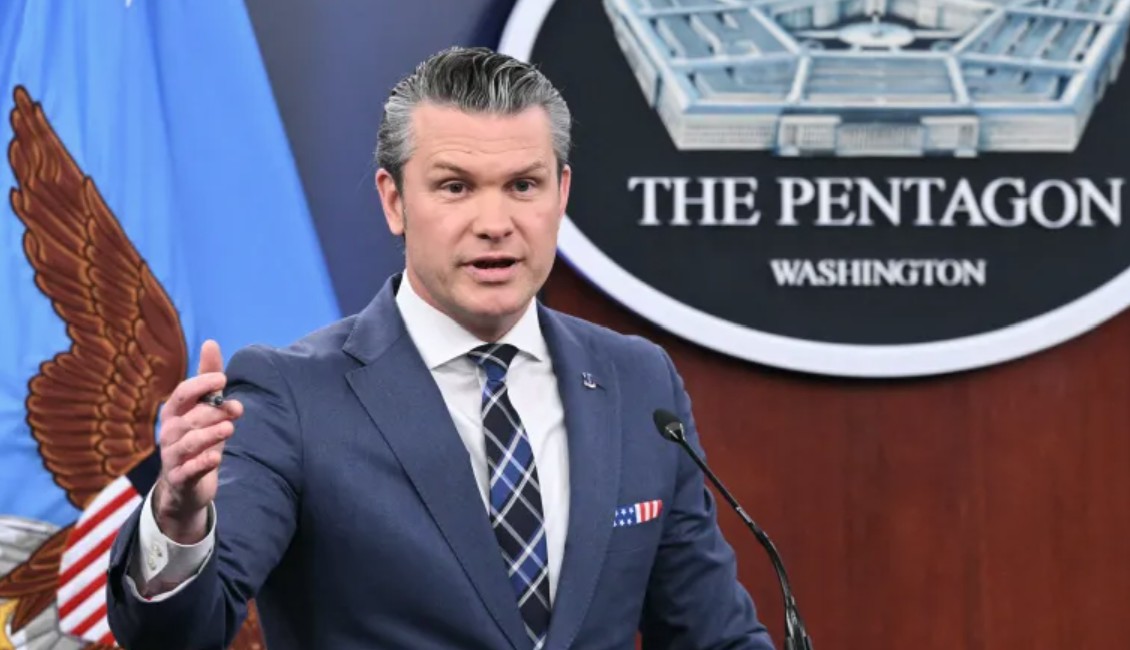
March 24, 2026 – USA –
A U.S. federal judge has ruled in favor of The New York Times in its legal challenge against Pentagon press restrictions, marking a significant press freedom victory while also setting off a new dispute over access to one of the country’s most important government institutions.
The case centered on a Pentagon policy introduced under Defense Secretary Pete Hegseth that required journalists to agree to broad new credentialing rules or risk losing access. The New York Times argued that the policy was vague, overly expansive, and effectively gave the government excessive power to punish or exclude reporters whose work it disliked. U.S. District Judge Paul Friedman agreed, ruling that the policy violated constitutional protections for free speech and due process and ordering the Pentagon to restore the credentials of affected Times journalists.
In his ruling, Friedman said the policy failed to clearly define what kinds of routine journalistic practices could trigger punishment, creating a chilling effect on reporting. He also concluded that the rules appeared designed to push out “disfavored” journalists and replace them with more compliant or politically aligned outlets, a finding that raised alarm among media advocates and constitutional lawyers.
However, the ruling did not end the dispute. In response, the Pentagon announced that it would revise its media access system and remove long-standing press office spaces from inside the building, replacing them with a new arrangement outside the main complex. Under the revised rules, reporters would also need escorts in more situations while moving through the Pentagon. Critics say the changes may preserve the same practical barriers that the court had just rejected.
The Pentagon has defended its actions as necessary for national security, arguing that tighter access controls are needed to prevent unauthorized disclosures and protect military operations. But media organizations and press freedom advocates warn that the broader effect is to reduce scrutiny of the U.S. military at a time of heightened conflict, including the administration’s recent war posture toward Iran.
The dispute has become a wider test of whether government institutions can use credentialing and access rules to shape which journalists are able to report from inside powerful federal spaces. For press freedom observers, the court ruling is an important rebuke, but the Pentagon’s rapid policy response suggests that the fight over military transparency and media access is far from over.
Reference –
https://www.nytimes.com/2026/03/24/business/media/new-york-times-pentagon-court-order.html
Judge Sides With New York Times Against Pentagon’s Press Restrictions