Philippine Media Groups Intensify Calls for Release of Journalist Frenchie Mae Cumpio
January 20, 2026
Palestinian Journalist Mohammed R. Mhawish Named Knight Press Freedom Fellow
January 20, 2026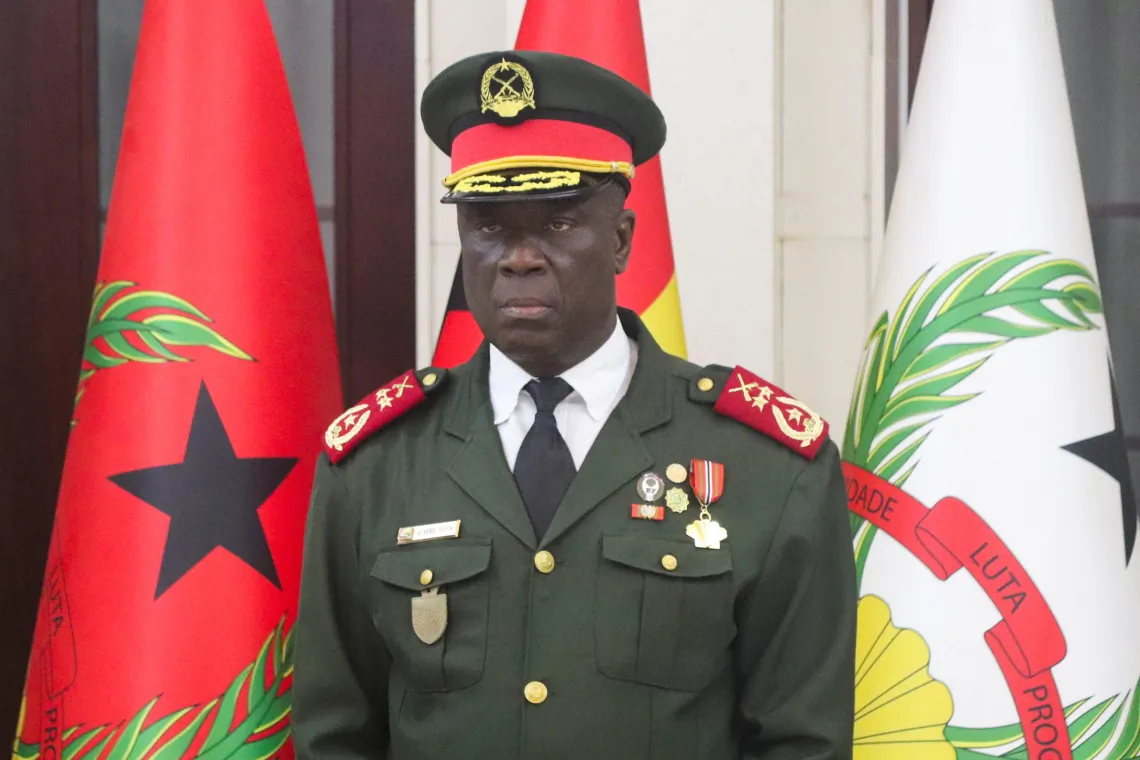
January 20, 2026 – Guinea –
Journalists in Guinea-Bissau are facing increasing threats to press freedom following a military takeover on November 26, 2025, as the High Military Command imposed a ban on unauthorized press conferences and public statements that it says could “jeopardize peace and social cohesion.” The Committee to Protect Journalists (CPJ) has urged the junta to rescind this order, warning that it undermines freedom of expression and access to information during a period of political instability.
The ban, issued on January 9, 2026, prohibits journalists and media professionals from holding press conferences or making public statements without official authorization. Authorities have framed the restriction as a measure to prevent violence and maintain stability after the army deposed President Umaro Sissoco Embaló and suspended the electoral process for a projected transitional period of one year. Critics argue the restrictions are overly broad and could be used to silence independent reporting and curb civic discourse.
CPJ Africa Programme Coordinator Muthoki Mumo stressed that even in times of political unrest, fundamental rights such as freedom of expression and press activity must be protected so that the public can access critical information essential to daily life and decision-making. The CPJ statement emphasised that vague “national security” justifications should not be used to curtail journalists’ work and that authorities must allow media outlets to operate without undue interference.
Journalists on the ground have told CPJ that reporting has grown “increasingly risky” since the junta seized power, with many reporters self-censoring or avoiding sensitive topics to limit their exposure to reprisals. Some media professionals said they still attend press briefings to cover developments but noted that only state-owned broadcasters continue to transmit official announcements without restriction, further skewing the media landscape in favor of the ruling authorities.
The atmosphere has revived historical patterns of precarious press freedom in Guinea-Bissau, a country that has experienced repeated coups and political instability since independence in 1974. Journalists there have long reported facing threats, raids, arrests, and shutdowns in connection with their work, a situation that press freedom advocates say the current junta’s policies are exacerbating.
CPJ and other media rights defenders are calling for the ban to be lifted and for protections to be reinstated that allow journalists to carry out their duties without fear of censorship or punishment, arguing that the flow of independent information is vital to any transitional democratic process.
Reference –
Journalists at risk as Guinea-Bissau junta bans ‘unauthorized’ press conferences