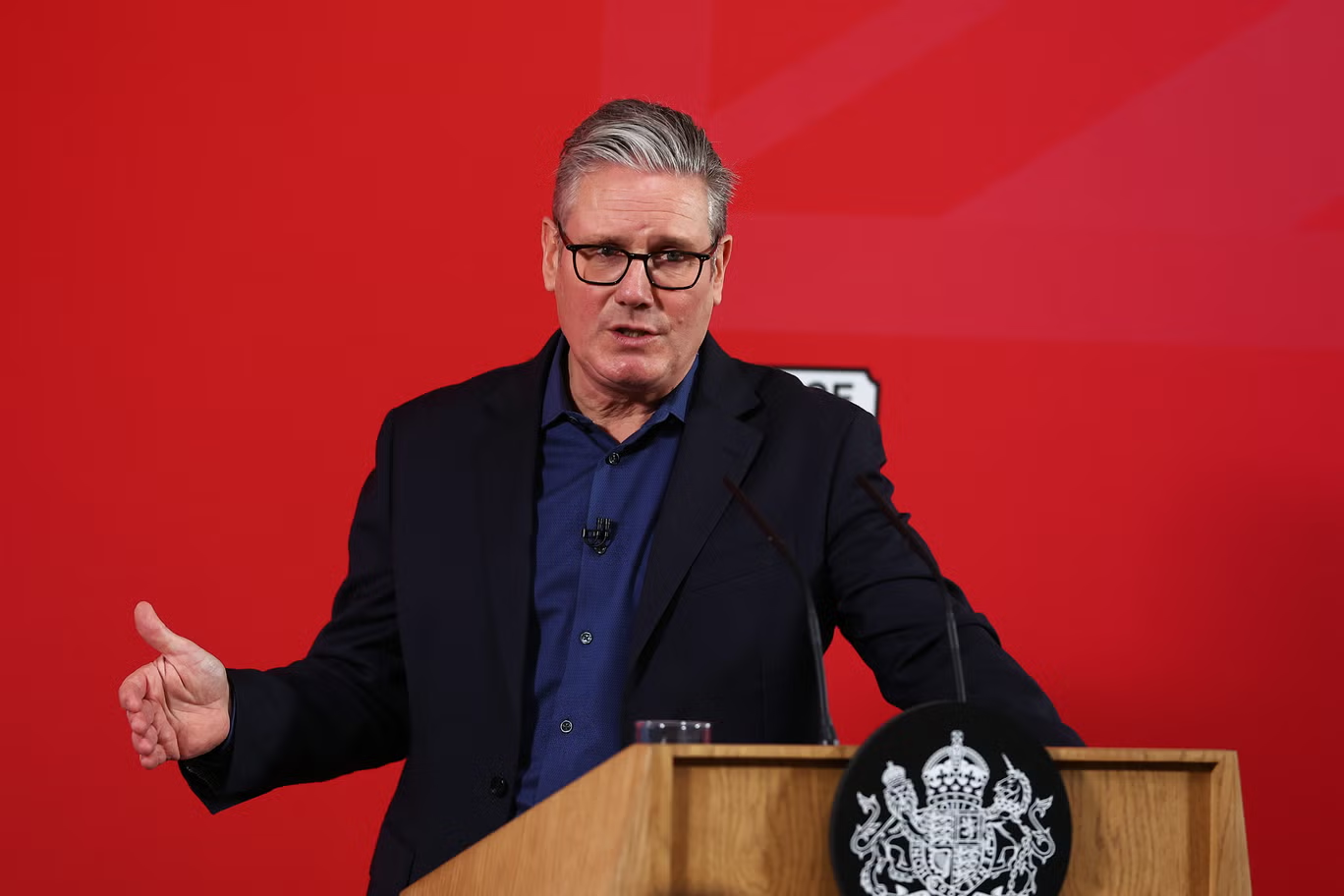
Inquiry Says ‘Labour Together’ Think Tank Paid PR Firm to Investigate Journalists Covering Keir Starmer
February 15, 2026
Ethiopia Revokes Reuters Journalists’ Accreditation After Investigative Report
February 15, 2026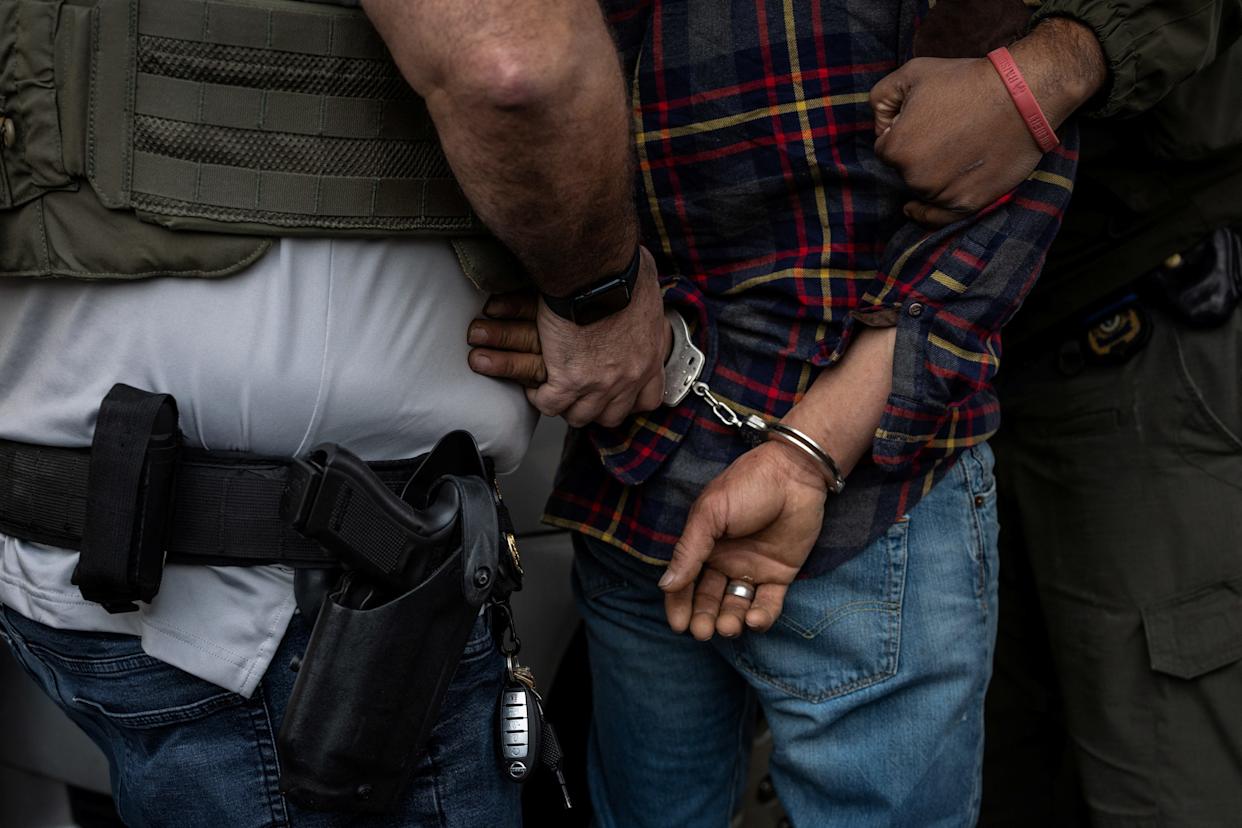
February 15, 2026 – USA –
Salvadoran journalist Mario Guevara — a Spanish-language reporter who lived and worked in the Atlanta area for more than two decades — was deported from the United States in October 2025 after spending over **100 days in Immigration and Customs Enforcement (ICE) custody. His case drew sustained criticism from press freedom advocates and civil liberties organisations.
Guevara, originally from El Salvador, was arrested by local police on 14 June 2025 while covering a “No Kings Day” protest in DeKalb County, a demonstration against federal immigration enforcement actions. Video from the scene shows him clearly identifying himself as press, wearing protective “PRESS” markings, yet he was taken into custody and charged with obstructing police, unlawful assembly, and being a pedestrian in the roadway.
Although the initial protest-related charges were dismissed by prosecutors, Georgia officials handed Guevara over to ICE for immigration proceedings, a move that sparked concern among civil rights advocates who said it amounted to retaliation for his reporting. An immigration judge initially granted Guevara bond, but ICE refused to accept the payment and kept him detained — a decision later upheld by the Board of Immigration Appeals, which ordered his removal despite his legal work authorisation and a pending green card application.
Rights groups, including the American Civil Liberties Union (ACLU), Committee to Protect Journalists (CPJ), and Reporters Without Borders (RSF), criticised Guevara’s detention and deportation as a troubling precedent in which immigration authorities appear to deter or punish journalists for covering protests and law enforcement activities. They argued that his continued detention after his charges were dropped, and despite an immigration judge’s release order, contravened First Amendment-related protections and posed a threat to press freedom in the U.S.
Family members and supporters highlighted the personal toll of Guevara’s lengthy custody, noting that the prolonged detention separated him from his wife and children, all U.S. citizens, and disrupted his long-established role as a community news provider. Advocacy organisations also raised alarm about the broader implications for journalists covering contentious civic issues who might risk immigration enforcement consequences simply for reporting on public demonstrations.
In October 2025, ICE deported Guevara to El Salvador, concluding his legal battle in U.S. immigration courts. Following his return, he said he intended to continue reporting from abroad and maintain connections with his audience despite the forced relocation. His case remains cited by press freedom defenders as a cautionary example of how immigration and law enforcement policies can intersect with journalists’ efforts to cover protests and contentious political events.
Reference –