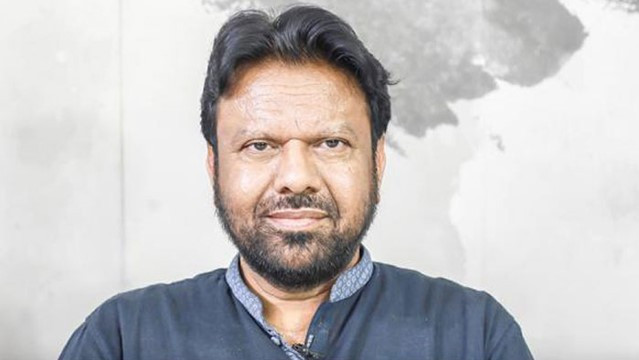
Bangladesh Court Freezes Bank Accounts of Journalist Shyamal Dutta and Family
February 10, 2026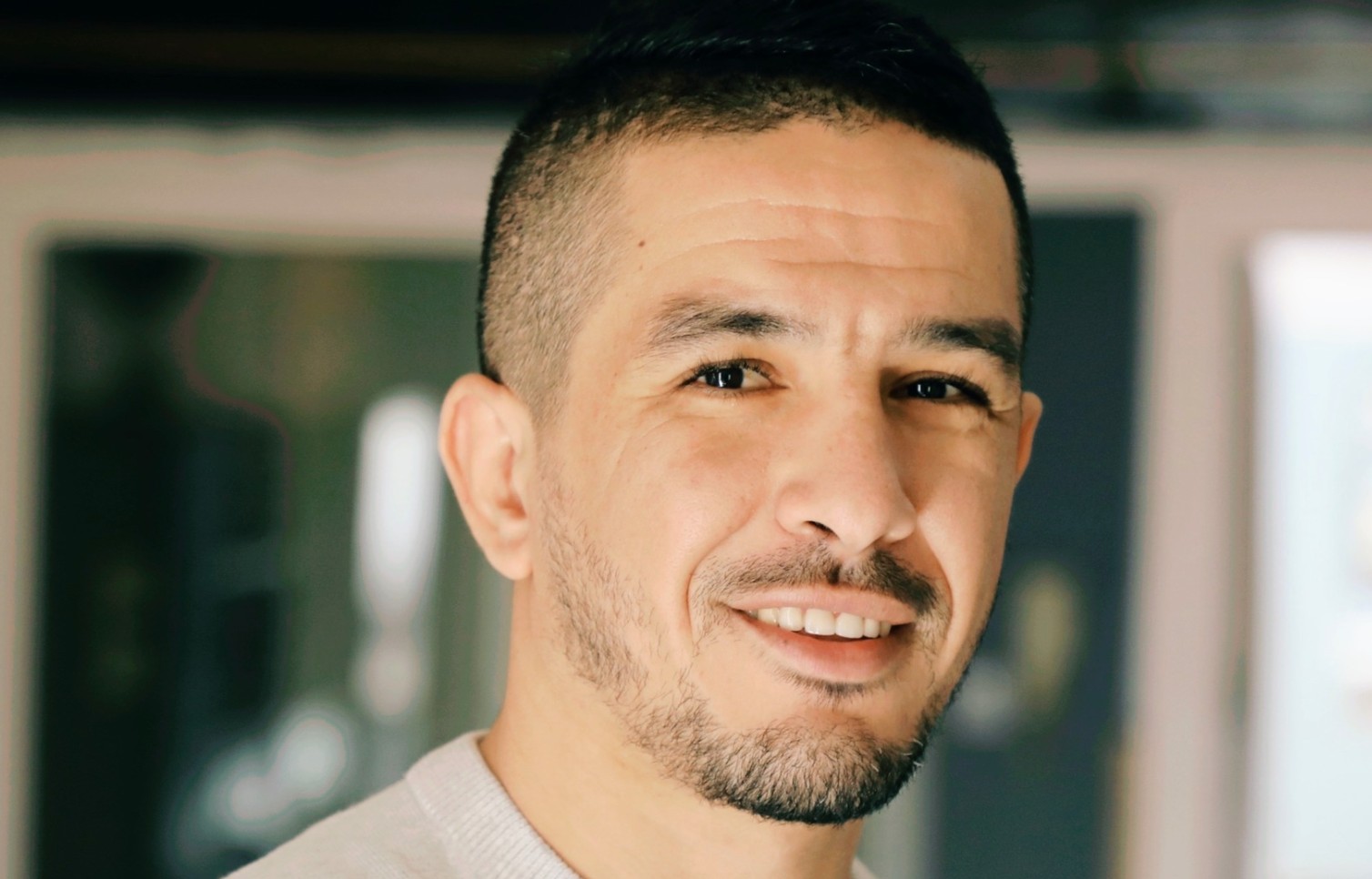
Algerian Journalist Omar Ferhat Arrested by Authorities
February 10, 2026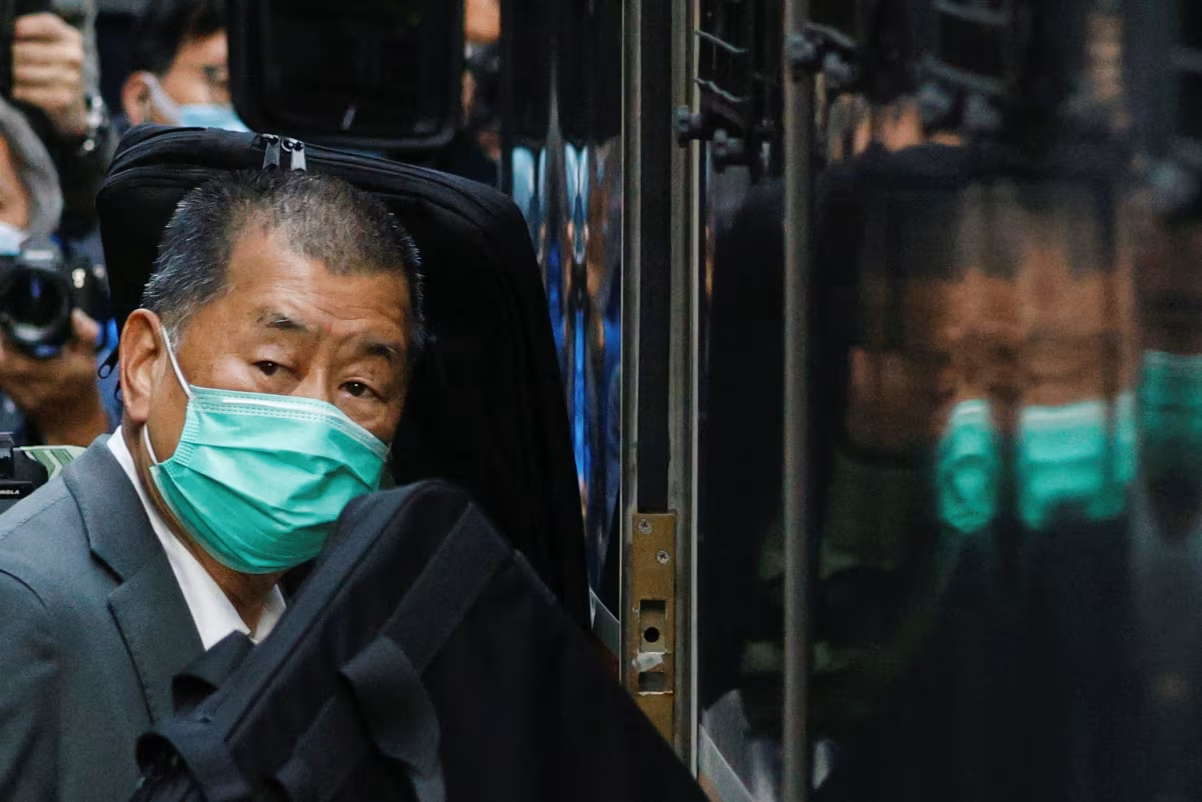
February 10, 2026 – China –
Hong Kong media tycoon Jimmy Lai Chee-ying has been sentenced to 20 years in prison under the city’s national security law, a ruling that has triggered international criticism and intensified concerns about the erosion of press freedom in the territory. Judges handed down the sentence on 9 February 2026 after Lai was convicted on multiple charges related to national security, marking one of the harshest penalties imposed under legislation that critics say is being used to stifle dissent and independent media.
Lai, 78, is the founder of the pro-democracy Apple Daily, a newspaper once among Hong Kong’s most widely read and outspoken. He was convicted in December 2025 on charges including collusion with foreign forces and seditious publications, offences under the national security framework introduced by Beijing in 2020. Prosecutors argued that Lai leveraged his media empire to seek foreign sanctions and support against the Chinese and Hong Kong governments, allegations that Lai’s defenders and press freedom advocates have rejected as politically motivated.
The 20-year sentence far exceeds typical terms for similar offences and means Lai could remain incarcerated into his nineties, with little prospect of early release given the severity of the penalty and the stringent provisions of the security law. Several former Apple Daily executives and activists convicted alongside him received substantial prison terms ranging from seven to over ten years.
International rights organisations and foreign governments condemned the judgment, characterising it as a profound setback for free expression in Hong Kong. Reporters Without Borders (RSF) said the ruling exposes the “collapse” of press freedom in the city, and that the national security law has effectively neutralised independent journalism by criminalising criticism of the authorities. European officials and U.S. lawmakers reiterated calls for respect for human rights and the release of prisoners of conscience.
In Hong Kong, reactions were mixed; supporters of the national security law welcomed the enforcement of legal measures they regard as necessary for stability, while media freedom advocates warned that the severity of the sentence and convictions would further discourage independent reporting. Apple Daily itself ceased publication in 2021 after assets were seized and staff arrested under earlier applications of the national security law, ending decades of influential newsroom presence in Hong Kong’s media landscape.
Observers say Lai’s sentence symbolises a broader transformation in Hong Kong’s governance and civic space, where once-vibrant press freedoms have been curtailed amid tightening political controls. Rights groups warn that the case will continue to reverberate across global discussions on media freedom, legal repression, and the future of independent journalism in territories subject to increasingly restrictive national security regimes.
Reference –
https://www.theguardian.com/world/2026/feb/10/jimmy-lai-jail-sentence-hong-kong-press
https://edition.cnn.com/2026/02/08/china/jimmy-lai-sentenced-20-years-intl-hnk
https://rsf.org/en/jimmy-lai-sentence-exposes-collapse-press-freedom-hong-kong